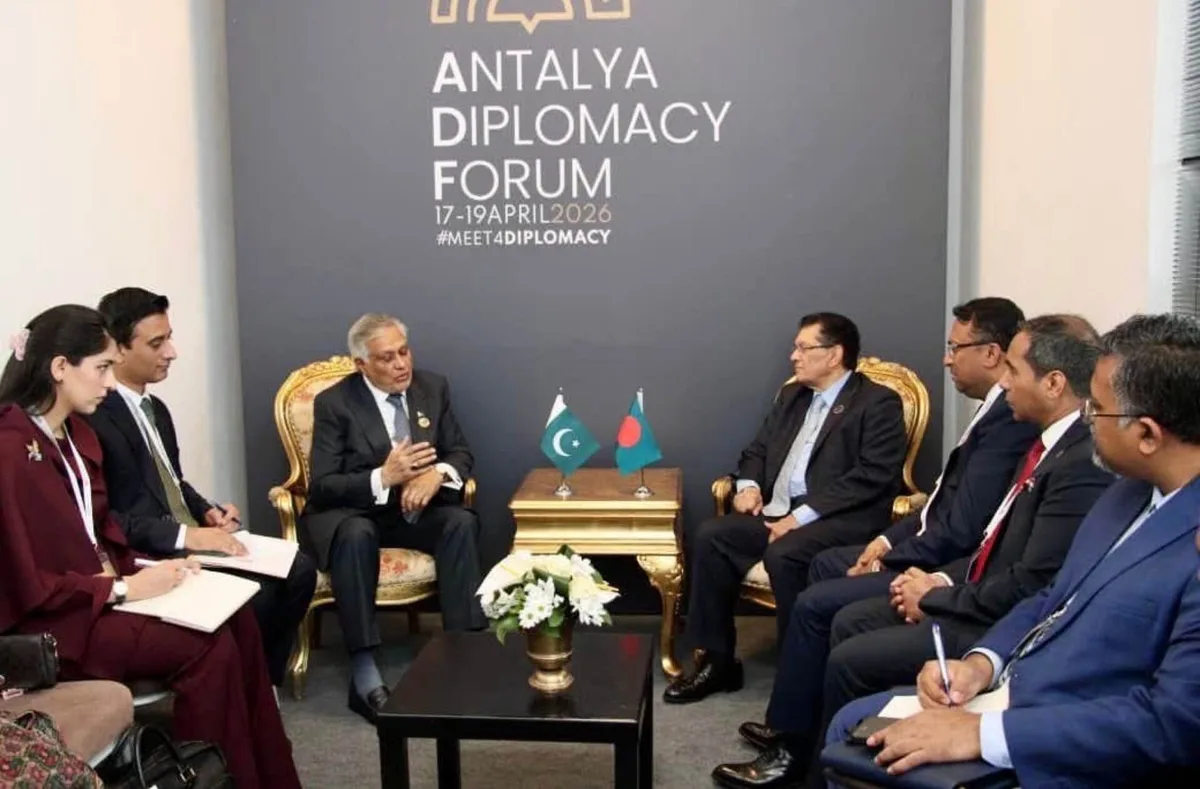
Diplomacy has two basic table sizes. One seat faces one seat. Or the whole room sits down together. The choice is never cosmetic. It decides who holds leverage, who gets heard, and what kind of deal is possible.
The vocabulary is simple. Bilateralism is the conduct of political, economic, or cultural ties between two states. Multilateralism, as the scholar Robert Keohane defined it, means coordinating national policies in groups of three or more states. Every summit and treaty is built on one of these frames. Readers following this should also see Summit Season: Why Big Meetings Rarely Change Much.
The Case for One-on-One
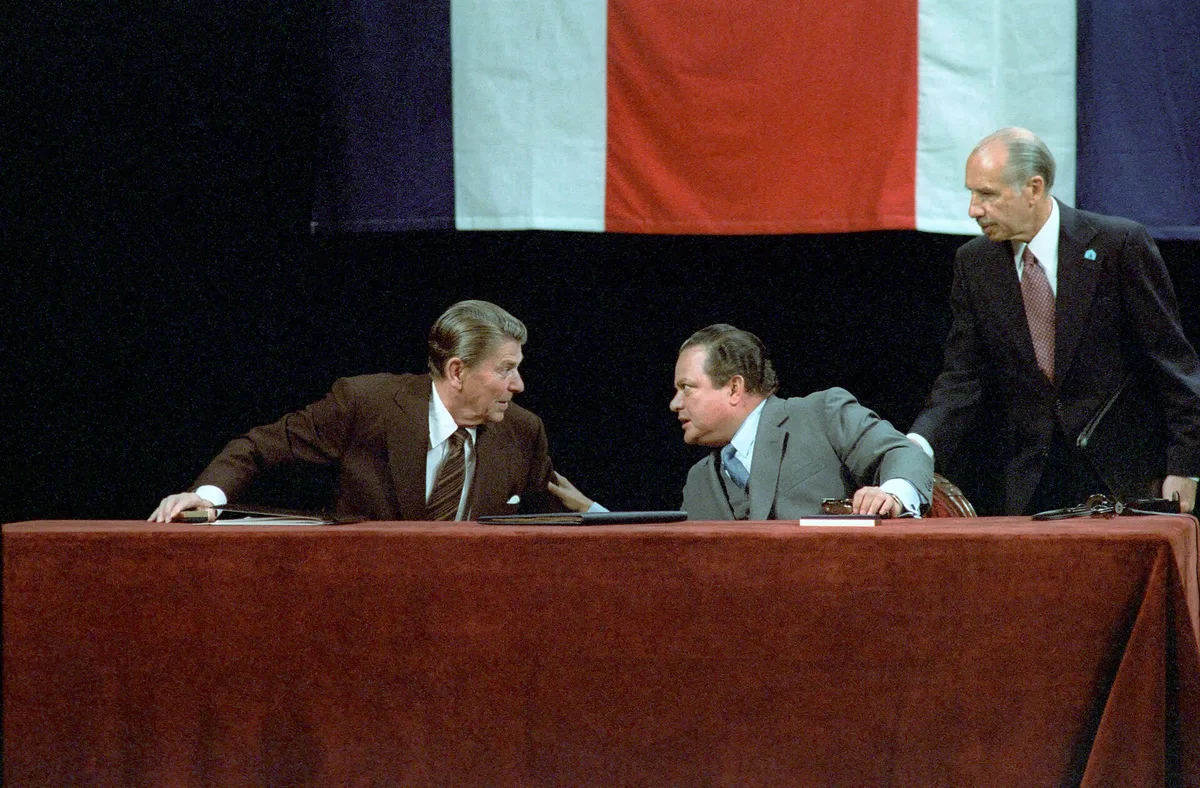
Bilateral talks offer what the big table cannot: tailoring. Most economic deals are cut to fit the two signers. Each side can win terms that suit it alone. There is also speed. Two governments can move fast because no coalition must hold. The price is arithmetic. A new contract must be negotiated for every partner, so costs pile up as allies multiply.
The strongest example is American strategy in East Asia. Washington never built an Asian NATO. Instead it created what analysts call a hub and spokes system. The United States was the hub. Each ally was a spoke. It signed a defense pact with Japan, a forces agreement with South Korea in 1953, and a mutual defense treaty with Taiwan in 1954. The scholar Victor Cha called this the Powerplay approach. Tight one-on-one ties let Washington restrain volatile allies, such as Chiang Kai-shek or Syngman Rhee, and keep firm control. When a great power wants control of smaller states, Cha argued, bilateral structures work best.
The Case for the Big Table
Multilateralism answers a different need. Some problems cross borders. Pandemics, terrorism, and climate change demand shared burdens. Big forums also discipline the strong. Membership binds powerful nations and discourages solo moves. It gives small states a voice they could never win alone. Small states that band together to constrain a large one are using what scholars call the Lilliputian strategy. And in a true multilateral body, the one state, one vote rule blunts raw power.
The model has deep roots. After the Napoleonic Wars, the great powers met at the Congress of Vienna. It sat from November 1814 to June 1815, per the standard histories. The result was the Concert of Europe, a long and rare peace. Catastrophe sped the habit up. The League of Nations rose after the First World War and failed after 26 years, by the standard account. The victors then built the United Nations in 1945, along with the Bretton Woods bodies for trade and finance.
How Diplomats Actually Choose
The choice tracks power and threat. NATO took a multilateral form partly because its members faced one shared threat in the Soviet Union. East Asia offered divided threats and wary neighbors, so one-on-one won there. Middle powers, such as Canada, Australia, and the Nordic states, champion big forums, because those forums amplify their voice. Great powers often prefer private formats, where their weight counts for more.
Neither form is free. A 2017 study found that bilateral tax treaties, meant to prevent double taxation, let multinationals shop for easy terms. Governments then kept tax rates low. Today a hybrid is rising. Small pacts such as the Quad and AUKUS move fast and trust each other. They signal that key cooperation now happens in compact rooms. This connects to our earlier piece, Signed, Sealed, Stalled: How Treaties Actually Become Law.
Bilateral ties can still bind deepest of all. India and Nepal signed a friendship treaty in July 1950. It still lets their citizens live and work in either country. They cross the border without even a passport, according to the record of that relationship.
Conclusion
Most diplomacy still happens one-on-one, quietly, between two capitals. The big table remains the tool of choice when legitimacy and shared burdens matter more than control. Neither format wins on merit alone. Skilled diplomats read the problem first. Then they pick the table that fits it.