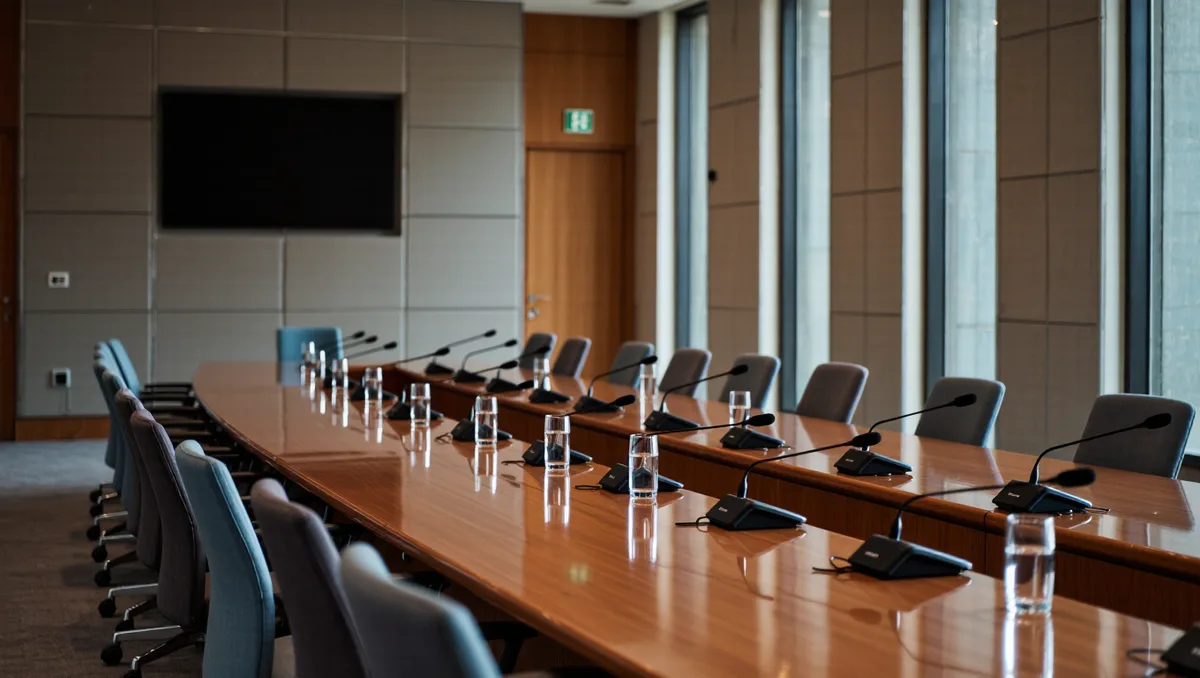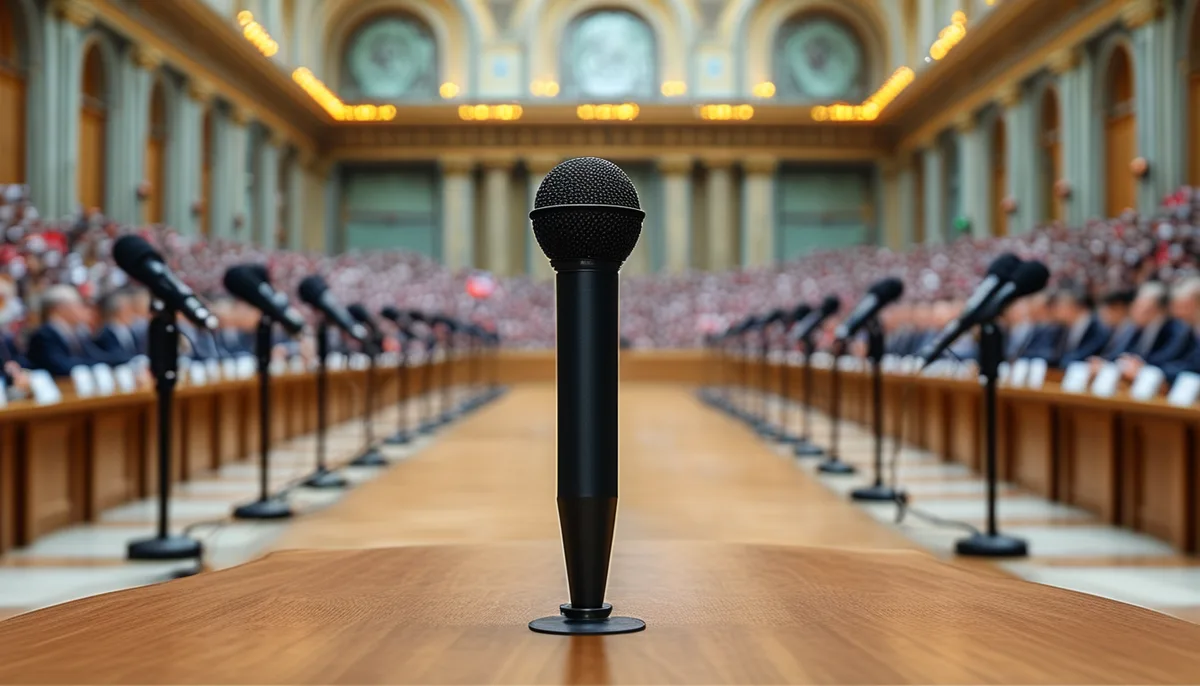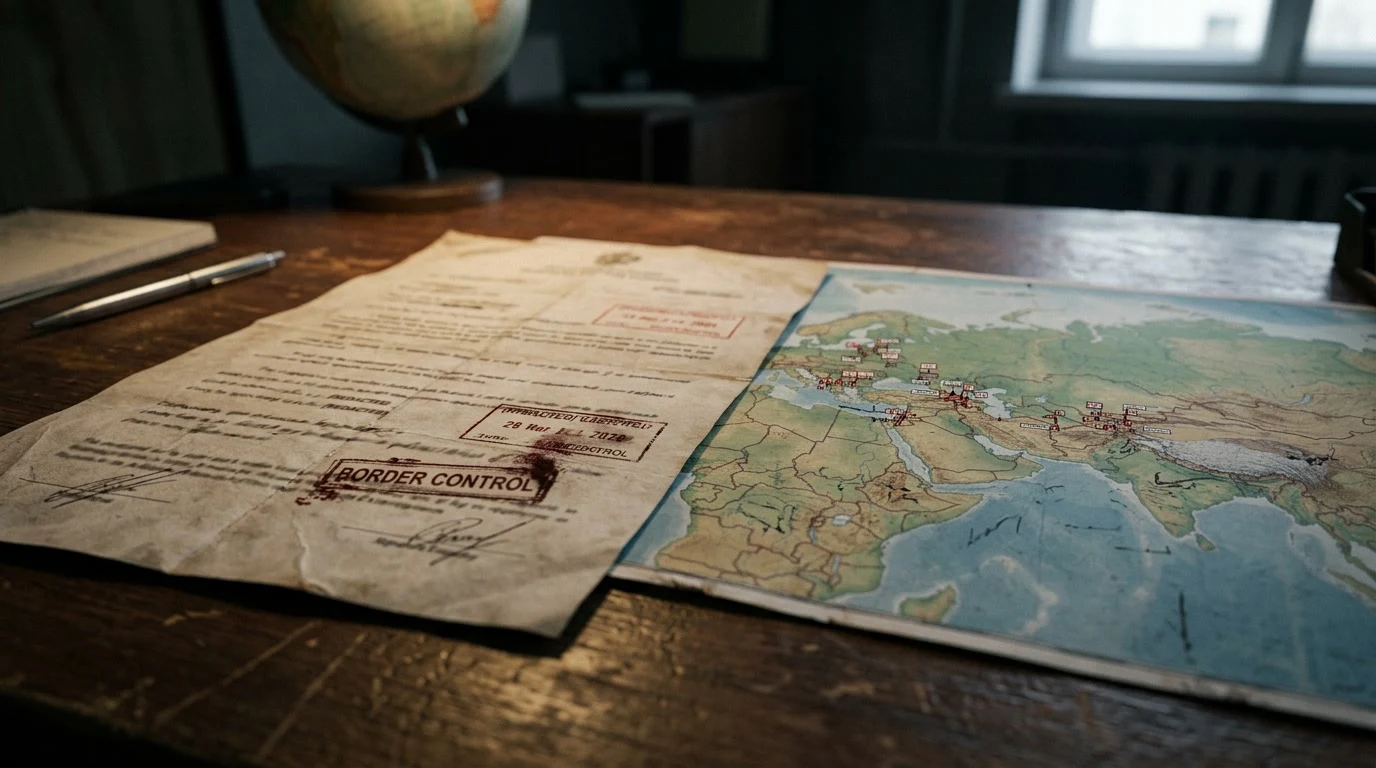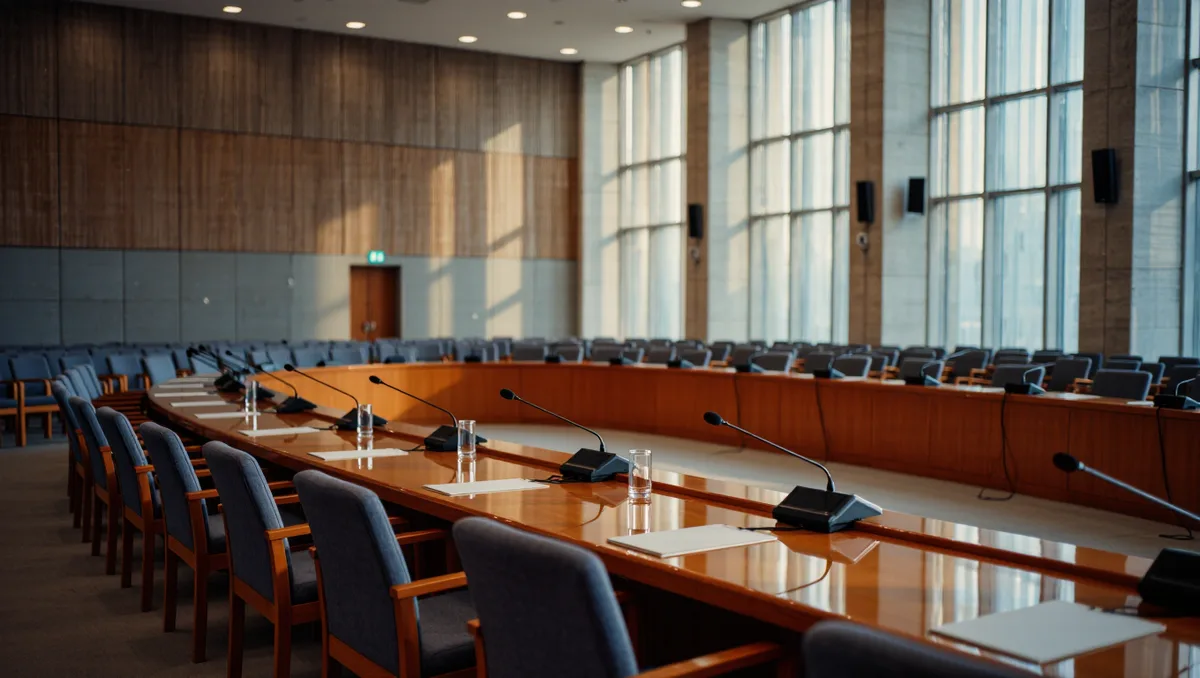
Diplomatic summits matter less for what happens in the summit hall than for what happens before anyone arrives. By the time leaders shake hands for the cameras, the text is drafted, the disagreements are bracketed, and the real work has already been settled — or quietly abandoned — by officials who will never appear in the group photograph. The two-day meeting is the ceremony; the six months of preparatory negotiation is the event.
That is not to say summits are worthless. They matter in three specific ways: they force decisions by setting a date, they let leaders test intentions face to face in ways written channels cannot, and they create public commitments that domestic audiences can later hold governments to. But the popular image — two rivals meeting, history turning — is mostly theatre. Understanding why diplomatic summits matter means understanding where the power actually sits in the process, and it is rarely at the podium.
What does a summit actually decide?
Almost nothing that was not already agreed. The standard practice in modern summitry is the pre-negotiated communiqué: a joint statement drafted by officials, argued over line by line in earlier sessions, with unresolved disputes marked by brackets until the last possible hour. If the brackets survive to the leaders' session, the usual outcome is that the language is dropped, not that the leaders resolve the dispute themselves. Leaders are not brought together to negotiate; they are brought together to endorse.
This is why so many summit outcomes read as vague. Phrases like "shared commitment" and "constructive dialogue" are not lazy writing. They are the residue of negotiation — language carefully chosen because it is the only text every party could accept. A crisp sentence would have ended the talks. A mushy one lets them continue.
Why do governments hold them at all?
Because the deadline does the work. A fixed date forces bureaucracies to resolve issues that would otherwise drift for years. Officials who have exchanged polite deadlock for months suddenly find their capitals want deliverables before the plane departs. The summit functions, in effect, as a management tool for the leaders' own governments — a way of making the machine produce.
The second function is personal. Face-to-face meetings let a leader read another leader directly: who is secure, who is improvising, who is speaking for their cabinet and who is speaking around it. Written diplomatic channels are precise but bloodless. A private conversation at a summit can reveal what a formal note never would. Some of the most consequential summit moments have come not from signed agreements but from what one participant understood about the other that no briefing paper had conveyed.
The third function is audience management. A summit is a performance staged for domestic viewers, allied capitals, and markets as much as for the counterpart. The handshake itself is the message. This is why the choreography — who stands where, who speaks first, whether the meeting is announced before or after — is fought over as hard as any clause of the communiqué. The staging of such occasions has its own elaborate grammar, explored in State Visits Are Ballet With a Protocol Manual.
Where is the real work done?
In the sherpas' track. Most major summits run two parallel processes: the leaders' track, which is short and ceremonial, and the officials' track, which is long and substantive. Senior officials — often called sherpas, a term borrowed from the G7/G8 process — meet repeatedly in the months before the event, trading drafts, testing red lines, and recording in writing what each capital can live with. When the leaders finally sit down, their staffs have usually reduced the agenda to a handful of items with pre-agreed outcomes.
Our analysis: this division of labour is exactly why summit communiqués disappoint readers who expect news. The document is designed to be agreeable, not informative. The informative version — the record of who objected to what, and which sentence was deleted — stays in the files of the participating ministries and rarely surfaces in full.
When do summits actually change something?
Three conditions stand out. First, when the leaders themselves hold real negotiating authority and choose to spend it — overriding their own officials, which is rare and risky. Second, when a crisis compresses the timetable, so that the summit becomes the negotiation rather than the endorsement of one. Third, when the summit produces not an agreement but a process: a working group, a timetable, a follow-up meeting that keeps officials at the table. Processes are unfashionable deliverables, and they are frequently the most substantive thing in the room.
The honest accounting, then, is mixed. Summits rarely settle disputes. They do, with some regularity, prevent them from getting worse, by keeping channels open at the highest level even when relations are otherwise frozen. The machinery that keeps communication alive when formal ties are cut — embassies run by third parties, discreet intermediary contacts — operates by the same logic, and is described in The Quiet Diplomacy of the Protecting Power and The Back Channels That Survive the Break.
How should a reader judge the next summit communiqué?
Read it for what was removed, not what was included. Compare the final text against the draft language reported in the run-up coverage: a softened verb or a deleted clause usually marks the precise place where one government dug in. Watch the brackets. And note the follow-up mechanism — a dated review meeting is a stronger commitment than any adjective in the text.
It also helps to keep the communiqué in perspective relative to the wider machinery of written commitments. A joint statement is politically binding at best; turning words into enforceable law runs through an entirely separate process of signature and ratification, set out in Signed, Sealed, Stalled: How Treaties Actually Become Law. Most summit declarations never make that journey at all — and were never meant to.
The verdict on summit season
Summit season will keep producing photographs, joint statements, and assessments of breakthrough that do not survive contact with the following week. The evidence for scepticism is strong: the text is pre-cooked, the leaders endorse rather than negotiate, and the vaguest language wins. But dismissing the gatherings entirely misses the point. Their value lies in forcing decisions, testing counterparts in person, and keeping the highest channels open when everything else is closed. The meeting changes little. The calendar around the meeting changes a great deal — and that is where anyone serious about the outcome should be looking.
Sources: thesummitgroupmacon.com · summitfiresecurity.com