
Topic
Why Foreign Elections Confuse: The Rules Behind the Results
Foreign election results confuse because the machinery differs: majority runoffs and coalition math decide outcomes, while turnout laws move the numbers.
Foreign election results confuse because the machinery differs: majority runoffs and coalition math decide outcomes, while turnout laws move the numbers.
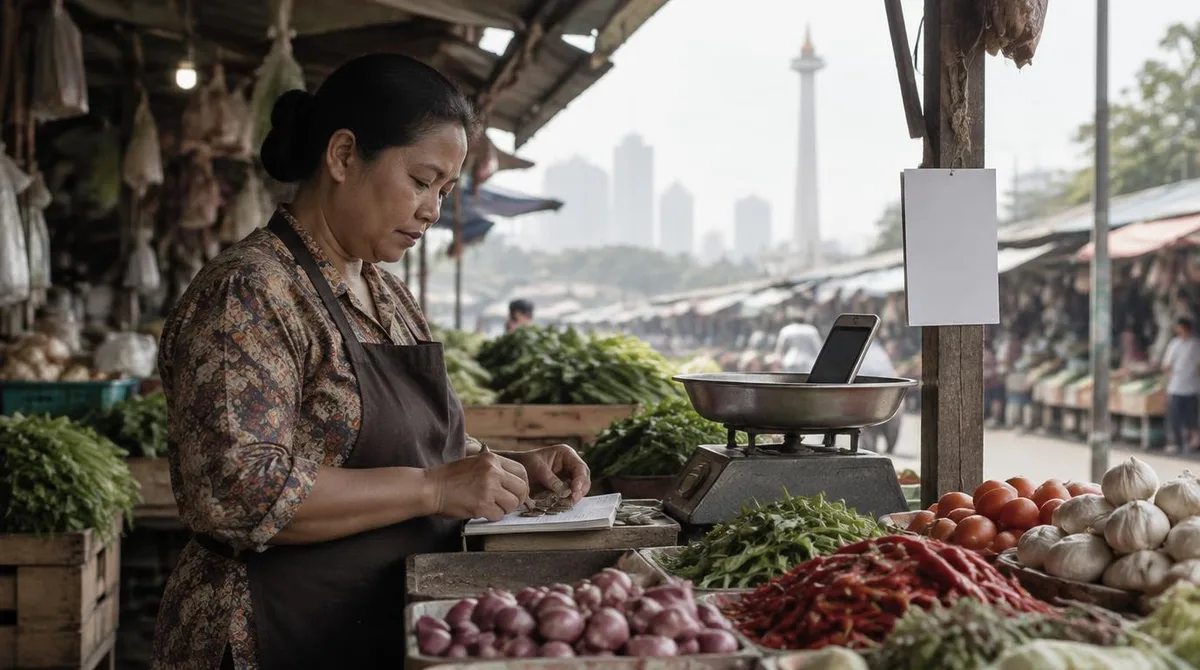
Indonesia's plan to turn payment histories into credit histories is a real idea with a hard arithmetic behind it — and a distinction most coverage skips.

Matches have opened doors that formal talks left shut: the 1971 ping pong exchange in China and the unified Korean hockey team at PyeongChang 2018 both eased frozen relations.

Reunion tours sell memory, and memory has become one of live music's most reliable products. Here is how the trade works.

Diplomats run on method, not inspiration: a prepared fallback, interests beneath positions, and patient process. Camp David, the Harvard Negotiation Project, and the United Nations each put the parts on record.
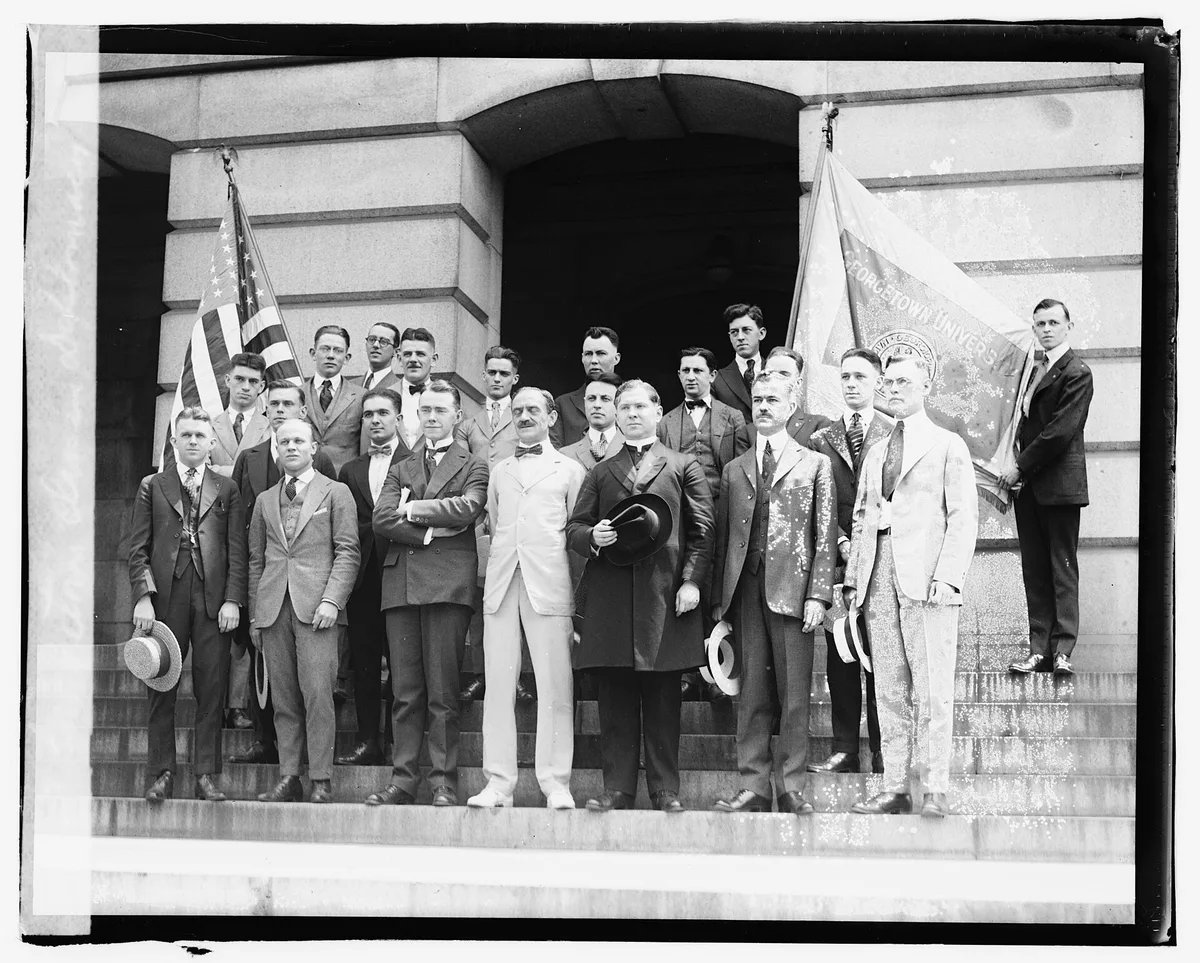
Microstates turn smallness into influence: coalition blocs at the United Nations, procedural niches, and quiet mediation, as the Cuban thaw of 2014 showed.
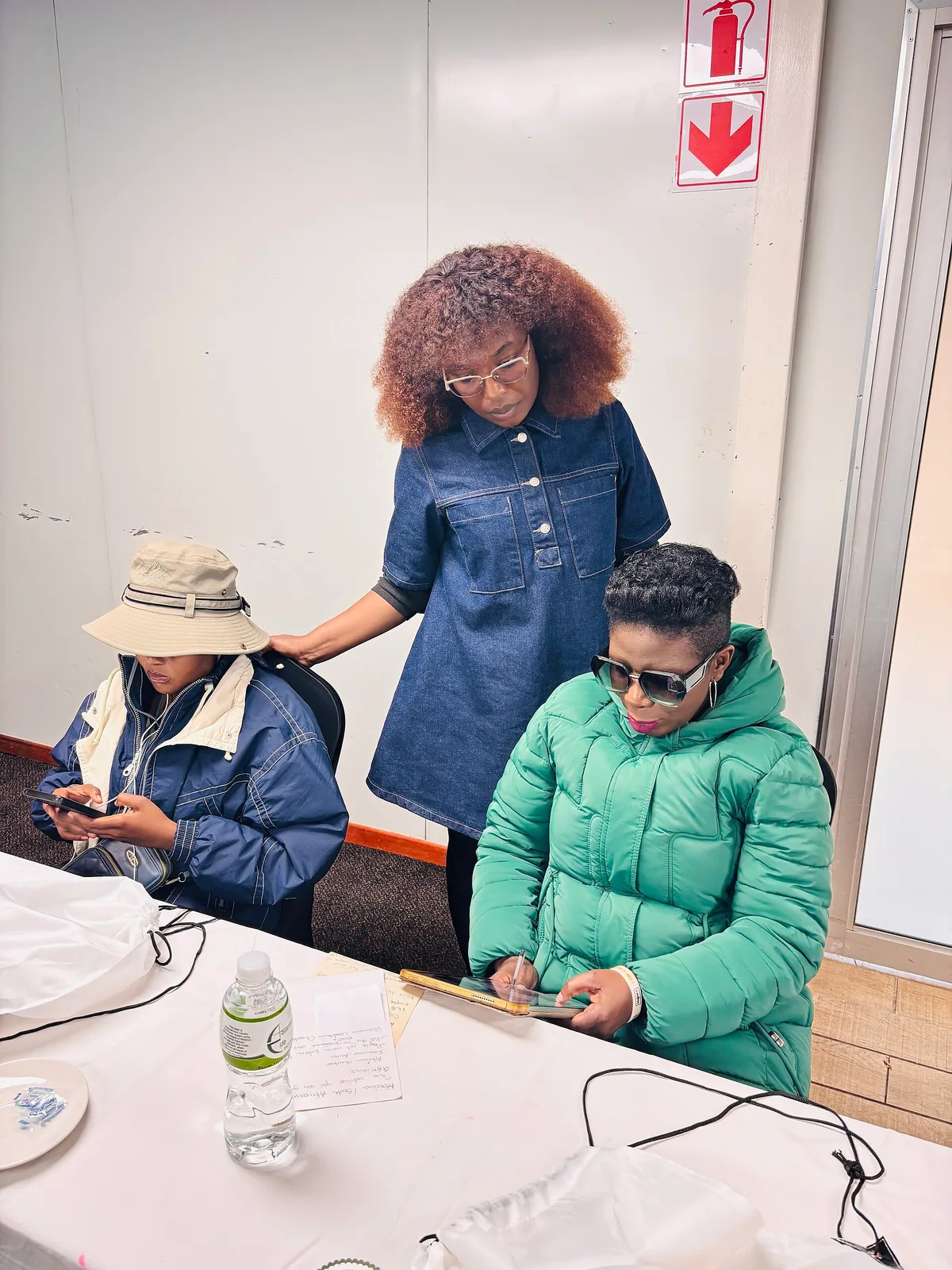
Policy analysis is data cleaning, replication and memo writing. Per the BLS handbook, about 8,800 survey researchers held jobs in 2022, most inside research firms.
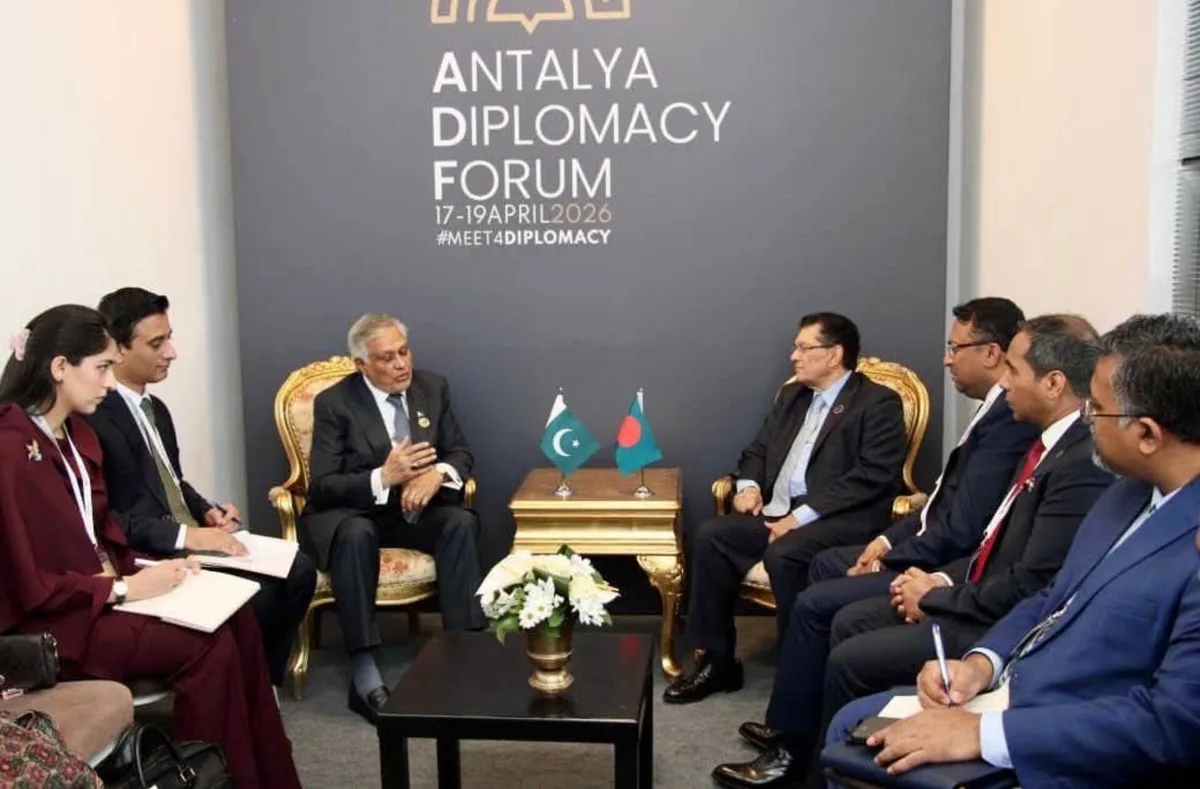
Why do diplomats sometimes demand a private room and sometimes a summit table? The choice between bilateral and multilateral talks is a strategic decision.

Fan clubs and small venues do the unglamorous work of turning a shared taste into steady local spending — and into careers that outlast the trend cycle.
A step-by-step method for following a headline back to the primary document, the data, and the person who actually said it.