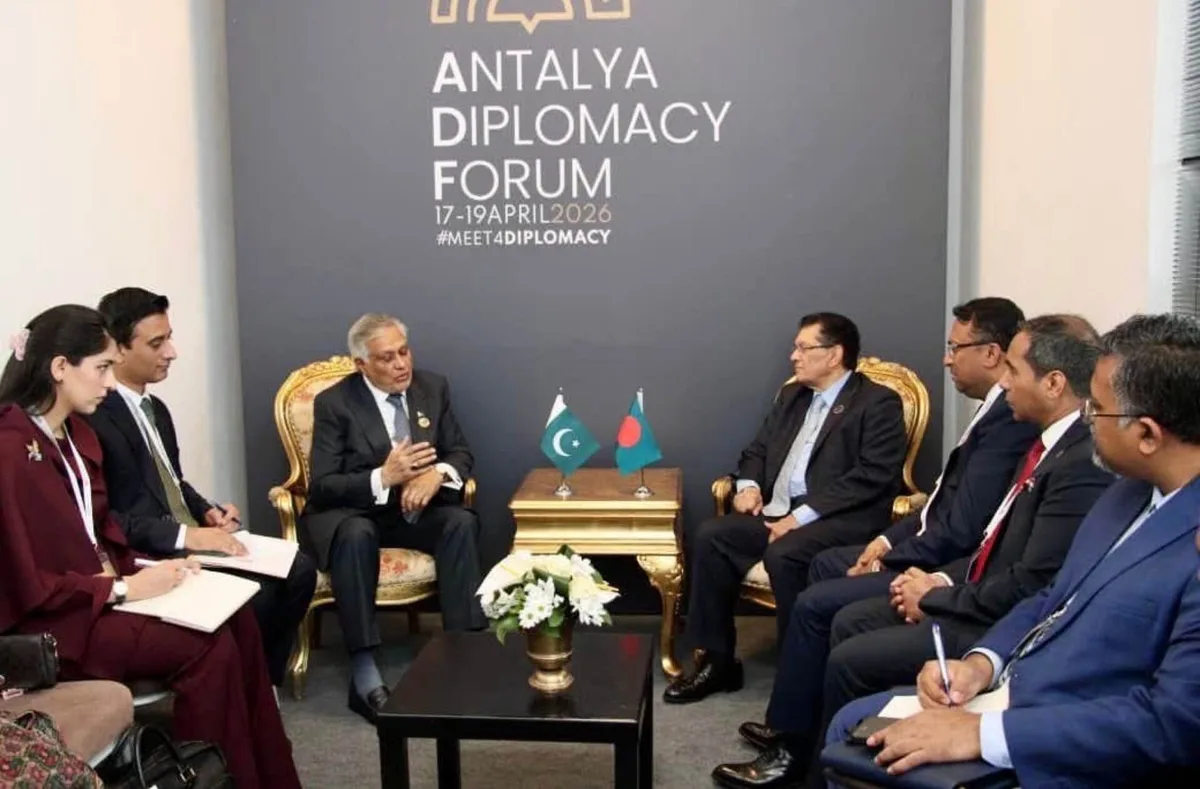
A state visit begins with an exchange of documents most citizens never see — draft programmes negotiated for months between the host's protocol department and the visitor's embassy, fixing everything from the number of steps the honor guard will take to the order of toasts and the exact minute the artillery salutes begin — and the reason for the precision is that every element is language. When a visiting head of state receives a 41-gun salute or a carriage procession from Horse Guards, when the visit is a 'state visit' rather than an 'official visit' or a 'working visit,' the classification itself communicates the relationship's temperature. Protocol officers — the UK's was historically a dedicated branch of the Foreign Office, the US version sits in the State Department's Office of the Chief of Protocol, established by Eisenhower in 1955 after diplomatic missteps — describe their craft as the grammar of respect: invisible when correct, catastrophic when wrong.
What is the difference between the visit grades?
Deliberately graduated warmth. The state visit — highest grade, one or two per year in most capitals — involves the head of state as host, full ceremonies, a state banquet, an invitation to stay at the palace or residence; official visits mirror much of this under government rather than head-of-state auspices; working visits and 'private visits with elements of ceremony' strip the pageantry and signal business. The grade is itself a negotiation: requesting an upgrade and being declined is a diplomatic incident in miniature, and hosts use grade assignment as signaling — the conspicuous absence of certain leaders from a monarch's state-visit calendar during periods of tension is read fluently by every chancellery's protocol watchers.
What gets negotiated, line by line?
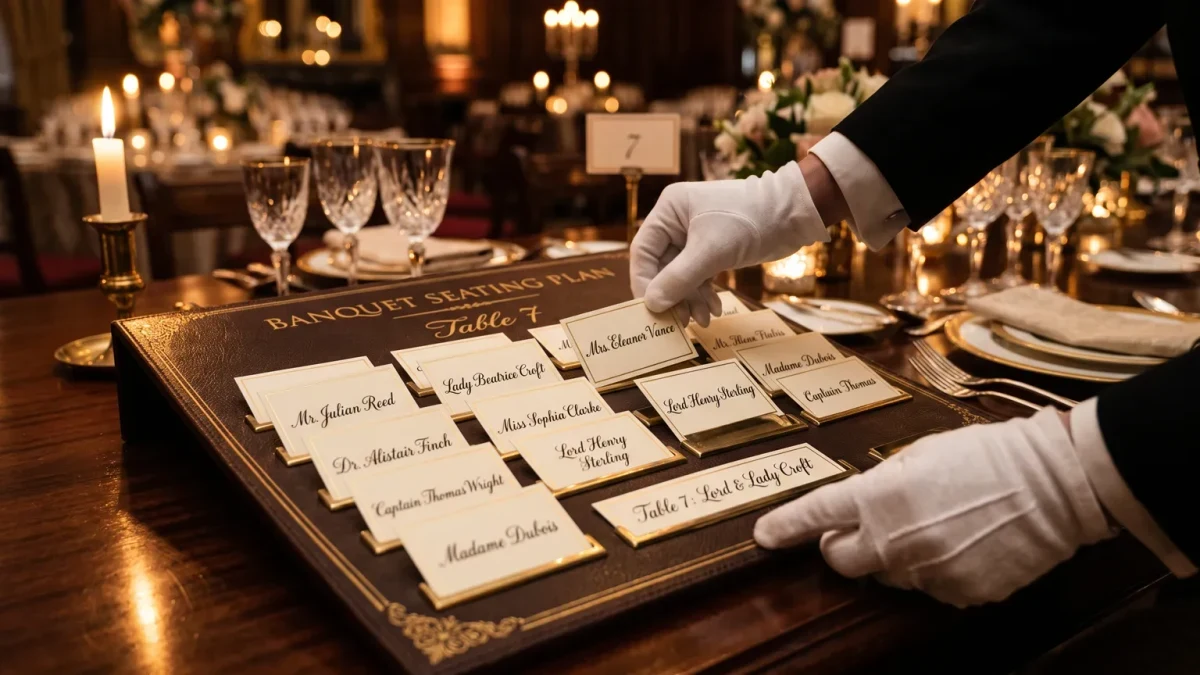
The programme is a treaty of small things. Sequence and precedence — who walks beside whom, who enters which door first, defined by precedence lists that protocols departments maintain and dispute constantly. The guest list for the banquet, fought over for weeks because attendance is endorsement. Menu and toasts — dietary rules, alcohol policies, toast length and whether interpreters stand behind the chairs. Flags and anthems — which anthem version, in what order, at what tempo. Seating charts, the most contested diagrams in diplomacy: the alternation rule (host, guest, host's spouse, guest's spouse) must reconcile rank, language ability, grudge history and spousal politics at tables of a hundred and fifty. Gift exchange, with valuation rules for republics whose ethics laws cap what officials may keep. And media access — pooled cameras for the handshake, closed doors for the talk — because the imagery is the visit's public product.
Why does the choreography matter more than the meetings?
Because the substantive work is usually done beforehand — state visits ratify relationships more than they create them, as diplomatic historians note of the genre from Bretton Woods-era courtesy calls onward. What the visit manufactures is public evidence of alignment: photographs that tell third countries, domestic constituencies and markets that the relationship stands at a given level. The 2023-2025 cycle made this legible — state visits staged amid trade disputes where the smiles were the deliverable, and downgraded formats that told the story of cooling ties without a single communiqué sentence. The ballet also carries content in its casting: which ministers accompany the leader, which regions the delegation visits, which business sectors fill the accompanying trade mission — each choice a clause in the visit's silent treaty.
What happens when it goes wrong?
The genre's blooper reel is instructive because errors are remembered like treaties. The 1992 state visit of Elizabeth II to Germany proceeded with meticulous correction of an anthem mishap; the 2009 Buckingham Palace gaffe-tour moments — a Holocaust reference slip by the Duke of Edinburgh — survived only because protocol absorbed them; and the famous seating of leaders at Nelson Mandela's memorial, where an interpreter signed gibberish for hours, showed the stakes of unvetted ceremony on the world's stage. Republics' protocol failures carry harder edges: a mispronounced name in a welcome speech becomes the headline of the visit, and a prematurely displayed gift — empty folders, wrong flags — lives forever in the partner's domestic politics. Protocol offices rehearse walk-throughs for days, using stand-ins for the principals, precisely because the cost of error is denominated in the relationship's currency.
Is all this obsolete in the Zoom era?
The pandemic tested the question and answered it in ballet's favor. Virtual summits kept business running in 2020-2021 and proved permanently useful for working-level contact — but the first wave of post-pandemic travel was state visits, because the handshake photograph cannot be rendered at resolution. The modern equilibrium: substance moves faster than ever through secure channels and video, while ceremony concentrates into rarer, more deliberate stagecraft — fewer visits, longer programming, heavier symbolic payloads. The protocol manuals will keep being negotiated line by line, because states will keep needing the one instrument that does what no treaty text can: show, in front of every audience at once, exactly how much honor the relationship currently deserves.