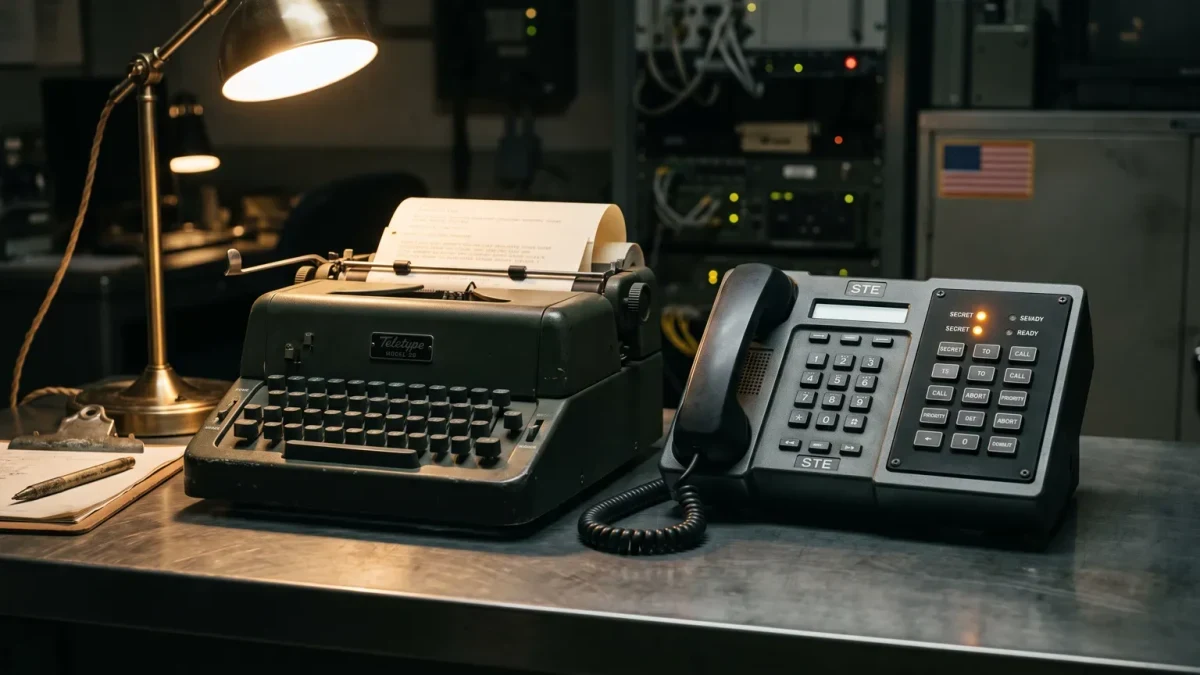
Even at the worst moments of rupture, states keep a minimal channel alive — because someone must pass the note when a ship strays, a citizen is detained or an accident needs managing — and the historical record of these surviving wires is diplomacy's most practical literature. The US and the Soviet Union maintained the 1963 Washington-Moscow hotline precisely because the Cuban missile crisis had shown what message delay costs; the two Koreas run a liaison channel through the Panmunjom phone line that gets severed and restored with the seasons of their relationship; and after formal channels die entirely, states route through protecting powers, international organizations and each other's intelligence services. The Cold War's deepest lesson, re-learned in every rupture since: the channel is harder to rebuild than to maintain, so even enemies keep a thread.
What forms do back channels take?
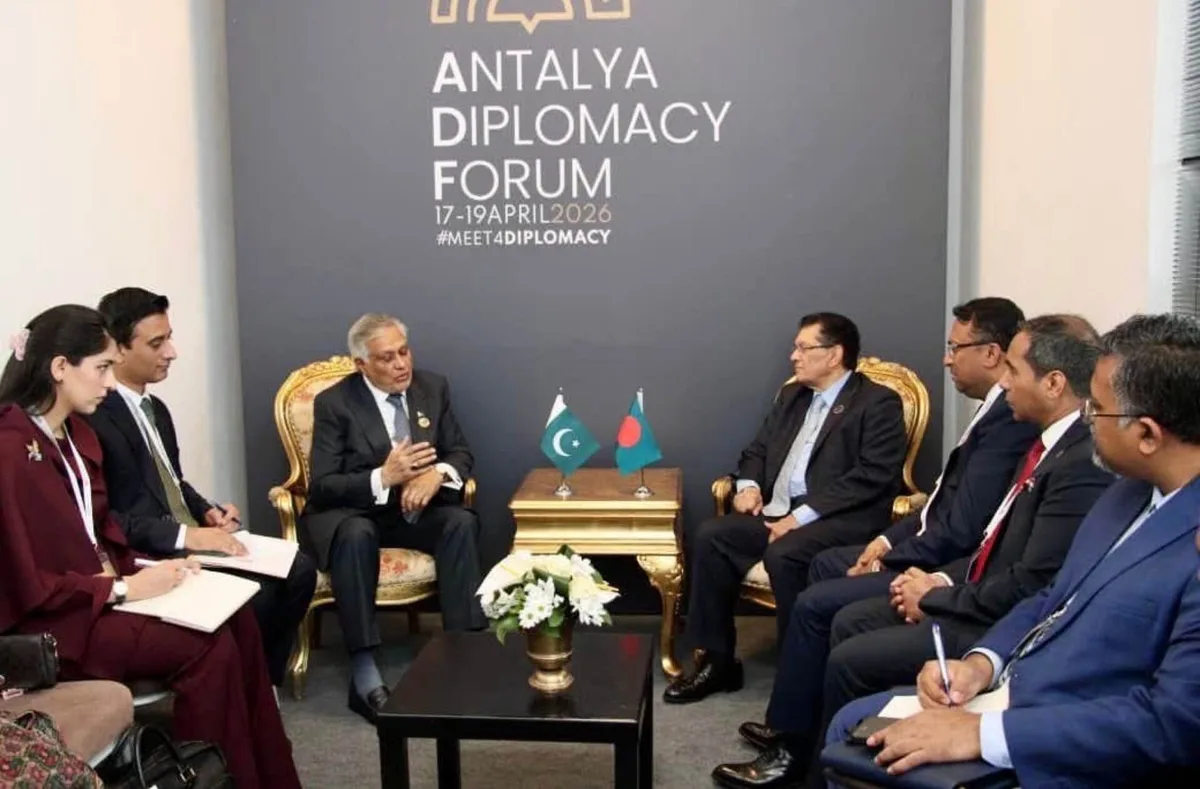
An inventory, from the formal to the exotic. Direct lines: the hotline — actually a teletype, then fax, now secure data links — has connected the great powers' capitals since 1963, with incident-management extensions like the 1972 Incidents at Sea agreement, which turned naval near-collisions into protocol-managed events with scheduled annual reviews. Delegations in third venues: UN missions in New York and Geneva function as adversaries' permanent contact points — Cuban and American diplomats met for decades in hotel lobbies and mission corridors while their capitals had no relations, as the negotiations that restored relations in 2014-2015 themselves ran through Canadian and Vatican-hosted secret channels, revealed only at the end. Science and health: the 1958 Lacy-Zarubin cultural agreement kept Soviet-American exchange alive through the Cold War's worst years; scientific academies, pandemic-notification channels and Arctic research contacts have carried traffic when politics cut everything else. And the truly minimal: Red Cross messages, maritime incidents, airline overflight requests and fishing-quota commissions, each an officially technical exchange that carries diplomatic payload between states that will not admit to talking.
Why do leaders use secret channels at all?
Deniability and sequencing. A leader exploring compromise cannot be seen to compromise — domestic politics on both sides punish the first mover — so secret channels let two governments discover whether a deal exists before either pays the reputational price for seeking one. The canonical cases are instructive in both directions: Henry Kissinger's secret 1971 China trip ran through Pakistani and Romanian relays for precisely this reason, and succeeded because the channel stayed closed until the announcement; the 1993 Oslo accords were negotiated in secrecy by academics before governments owned them; and the 2015 Iran nuclear deal's precursors ran through Oman's back channel for months before public talks began. The failure mode is exposure: a leaked secret channel embarrasses both sides and kills the exploration — which is why intermediaries who cannot leak are prized above all, and why Oman's and Qatar's discreet services book repeat business.
Can a channel outlive its own government?
Yes, when it is institutional rather than personal. The US-China track survived every rupture of the 2010s through the military-to-military Maritime Consultative Mechanism and the trade-talks architecture, suspended and resumed at will; NATO-Russia military channels went formally dormant in 2022 while informal risk-reduction conversation continued around them. The pattern's mechanics are known to every diplomatic service: channel value compounds with use, because each successful exchange builds the precedent and the phone number, while suspension decays capability — expertise, trust, the specific acquaintance of the two colonels who once solved a ship incident. Institutional designers therefore build firewalls so channels survive politics: technical bodies with fixed agendas, standing commissions that meet by treaty rather than invitation, and the diplomatic-literature phrase for the whole genre — 'umbrella' arrangements that keep rain off the dialogue whatever the weather.
What is the honest criticism?
That back channels are democracy's blind spot and diplomacy's deep state. Secret negotiation excludes parliaments, publics and sometimes whole ministries — the Kissinger precedent is cited by both its admirers and its critics as proof that one man with a back channel can reorder foreign policy before any electorate has voted on it; the 2024-2025 files of Middle East and Ukraine diplomacy conducted through intelligence channels revive the same question at scale. The defense is functional and sincere: some conversations are only possible in the dark, and the alternative to the back channel is often no channel. The settlement most democracies have reached is procedural — congressional and parliamentary notification for intelligence-channel agreements, protecting-power transparency for the technical wires — an imperfect audit of the conversations that must not, and cannot stop.
What should readers watch?
The repair notices. Every rupture's aftermath contains a small item — a hotline restored, a military channel resumed, a fisheries commission meeting again — that is the first hard evidence of thaw. Capitals will deny it, spokespeople will decline to comment, and the channel, if it is working, will be exactly where it has always been: quiet, indispensable, and answering on the first ring.