Topic
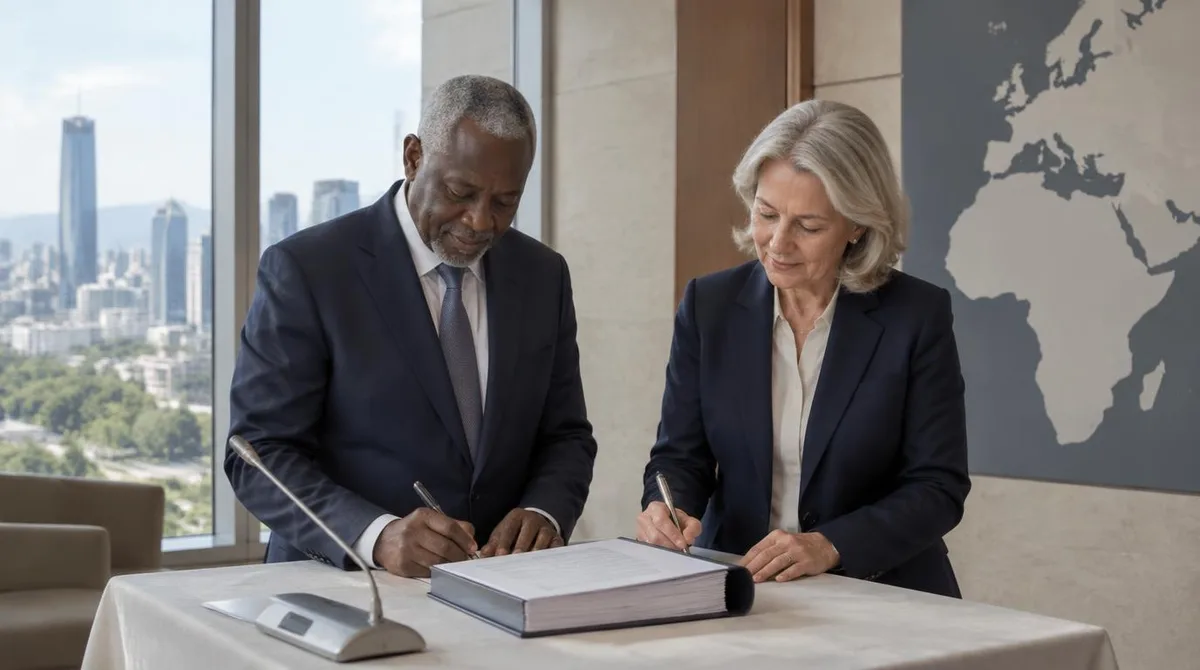
Scaling Up the AU-EU Partnership: What the 2026 Meeting Actually Changed
Twenty-five years of summits produced limited results. A November 2026 implementation plan is the latest attempt to fix that.
Twenty-five years of summits produced limited results. A November 2026 implementation plan is the latest attempt to fix that.

Matches have opened doors that formal talks left shut: the 1971 ping pong exchange in China and the unified Korean hockey team at PyeongChang 2018 both eased frozen relations.

Two numbers that rise together do not prove that one moves the other. Real cases from public health show how a statistical link gets tested, and what finally turns a pattern into proof.

Foreign correspondents check every claim against records and witnesses before filing. UNESCO counts more than 1,800 journalists killed since 1993, and the ACOS Alliance asks editors to guard freelancers as carefully as staffers.

A workforce reduction is drafted like a legal filing, staged like a product launch, and read by everyone it does not mention.
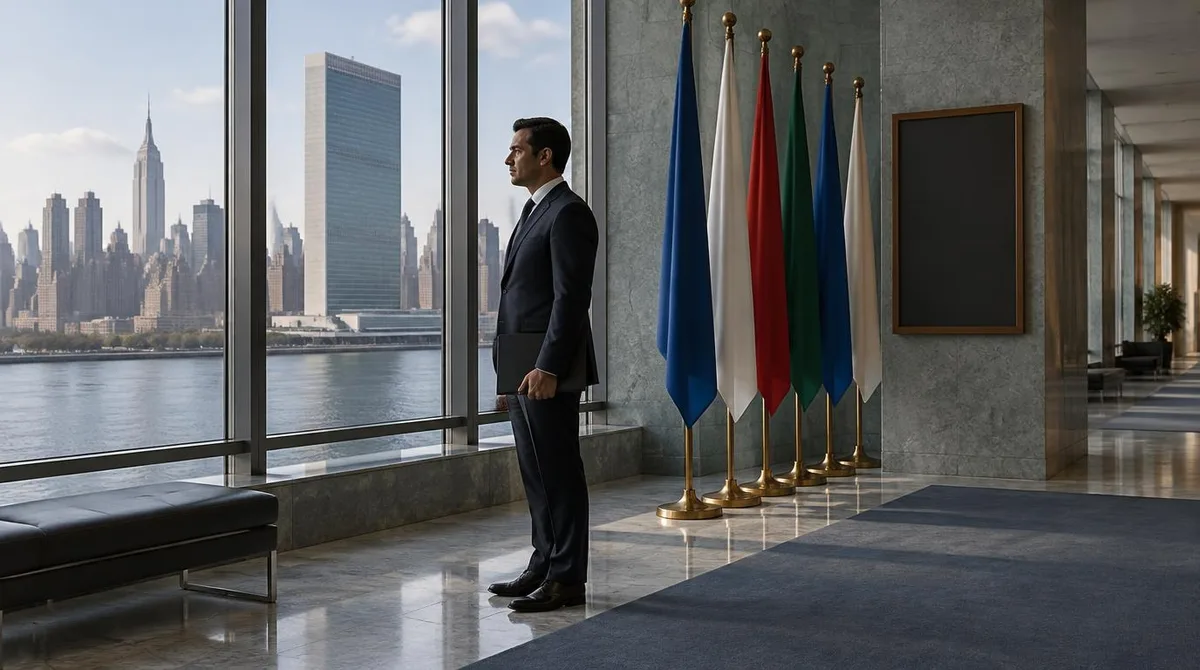
A plain map of who does what among global bodies, from the General Assembly's 193 votes to the WTO's trade rules, and why only the Security Council can bind a state.

The upfront fee is the smallest line on the bill. The ongoing ones are what decide whether a franchise pays.
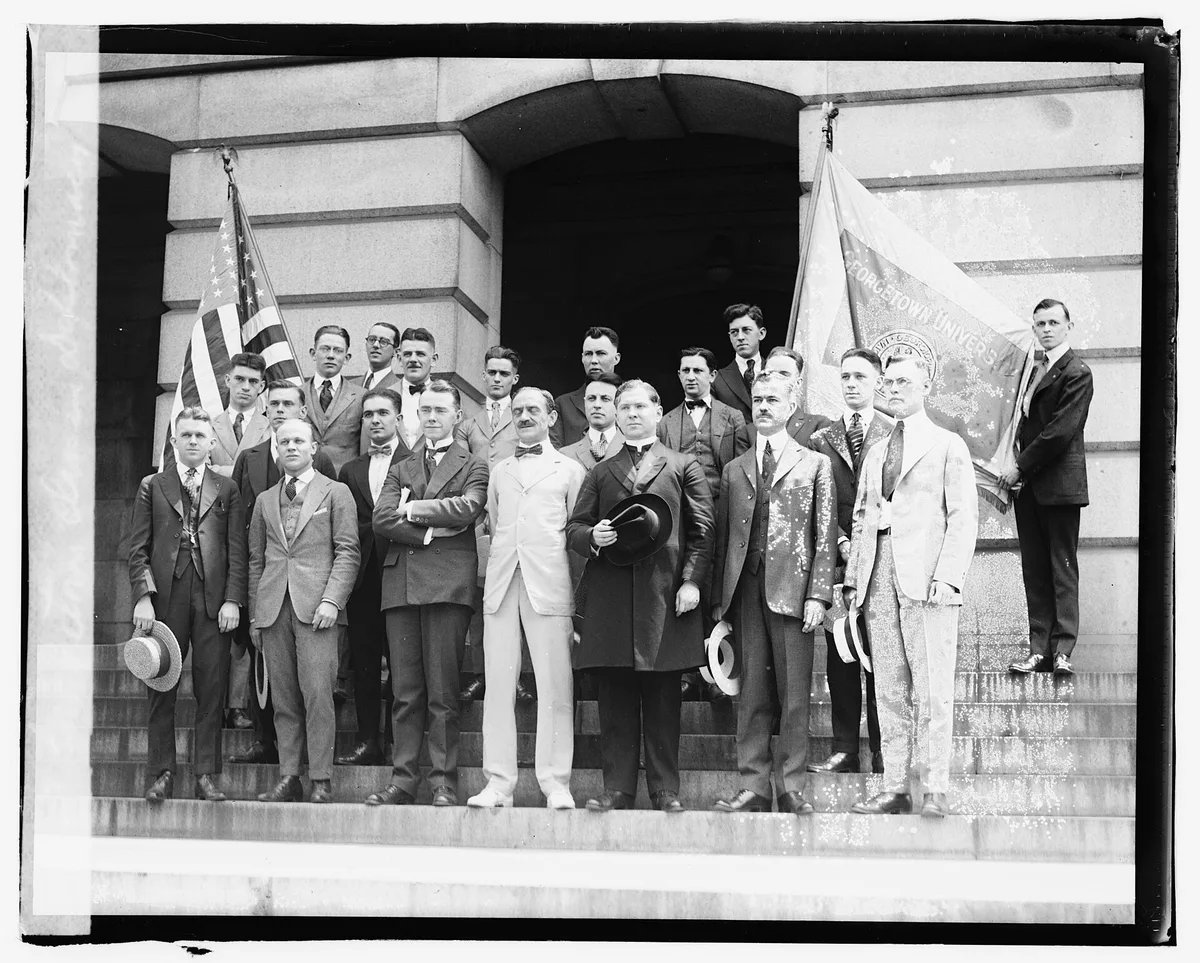
Microstates turn smallness into influence: coalition blocs at the United Nations, procedural niches, and quiet mediation, as the Cuban thaw of 2014 showed.
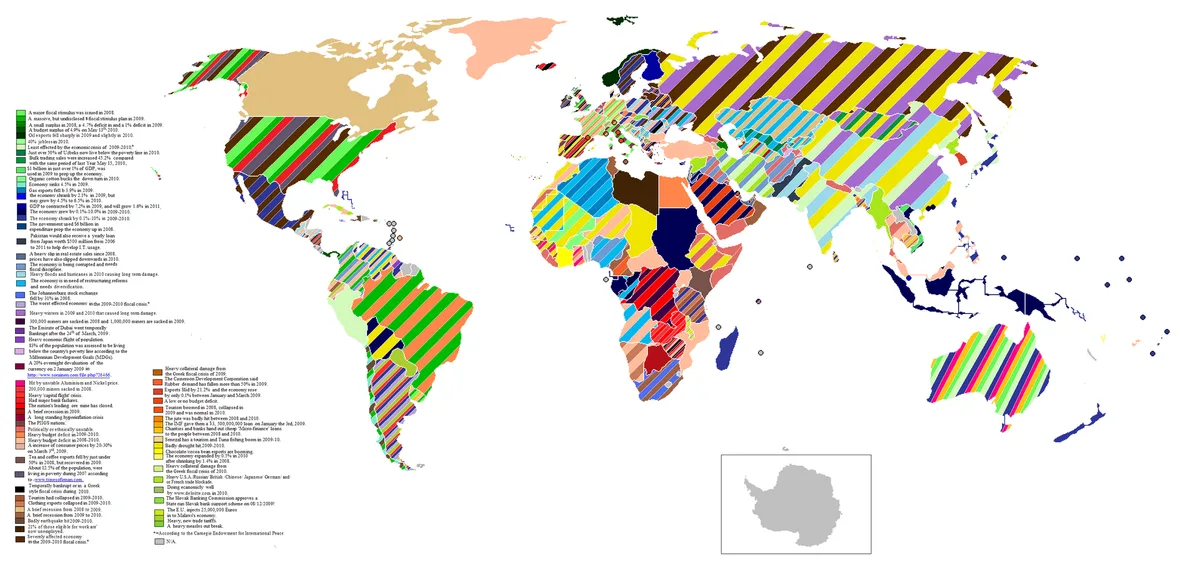
Exchange rates are prices, set by supply and demand with help from interest differentials and trade flows, plus occasional central bank intervention. The BIS counted $7.5 trillion of daily trading in April 2022.
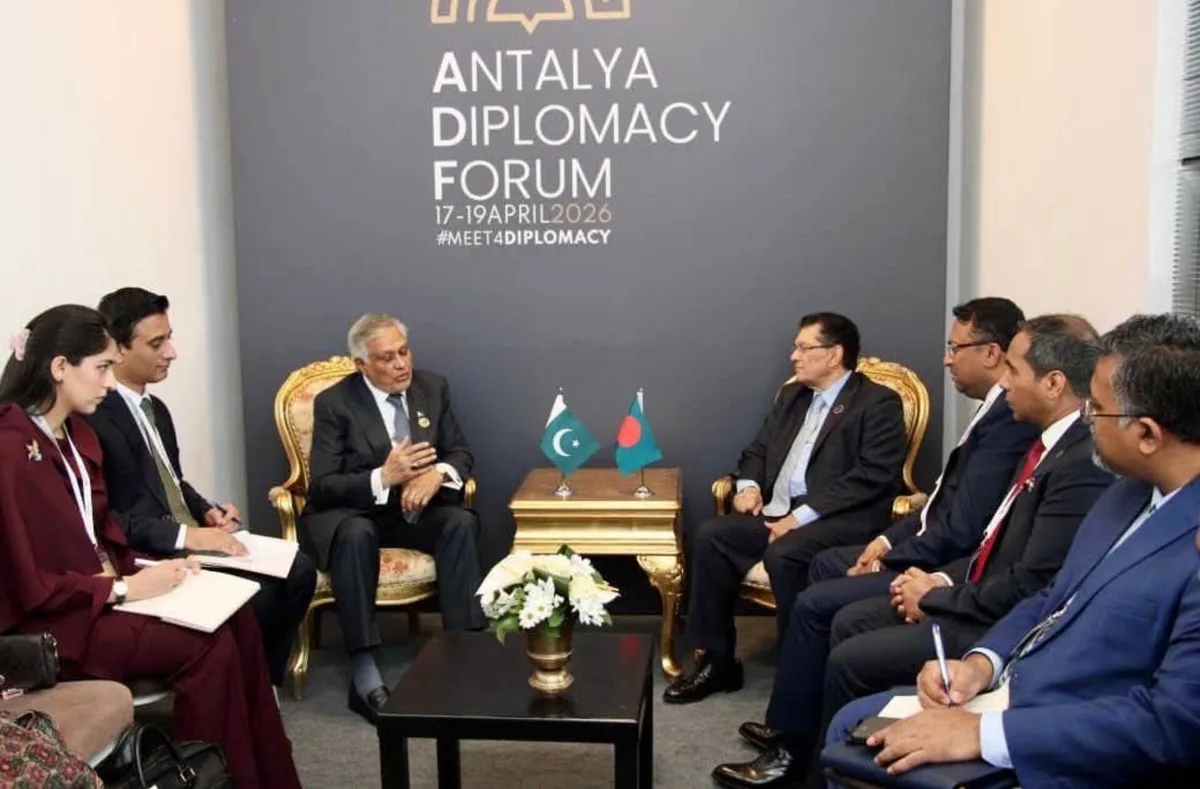
Why do diplomats sometimes demand a private room and sometimes a summit table? The choice between bilateral and multilateral talks is a strategic decision.