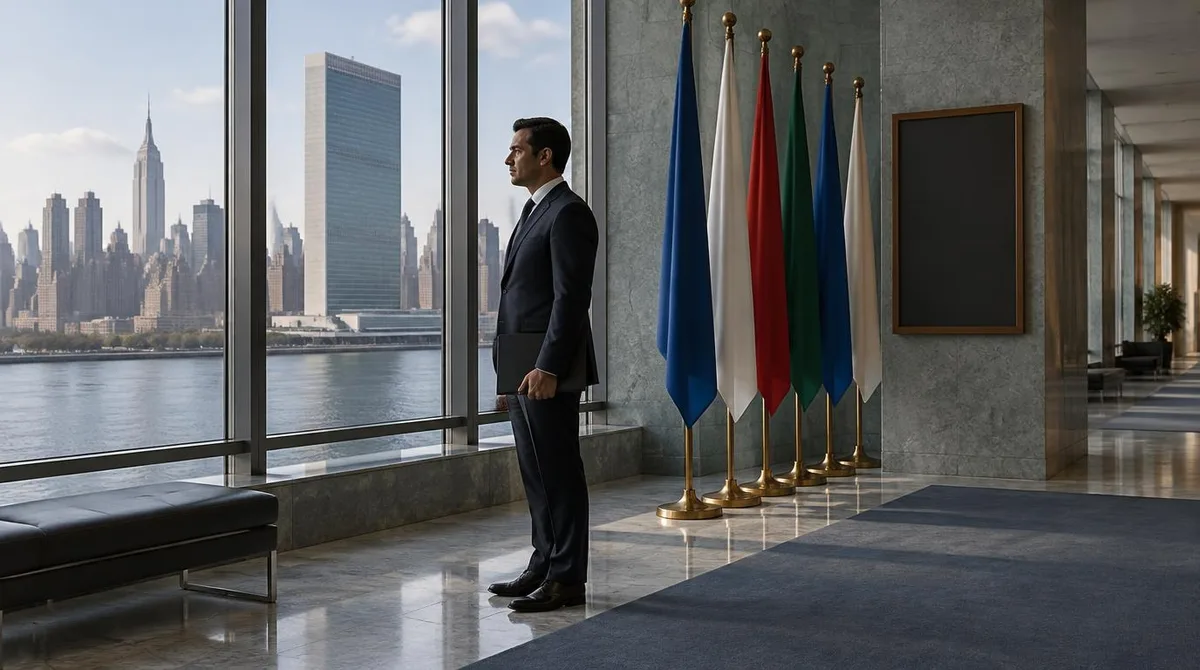
Foreign correspondents report events far from the home newsroom. They file confirmed accounts with editors before deadlines close. How foreign correspondents work in practice is a cycle of checking, and the loop repeats hourly. Names, numbers, places, and claims all get tested against records and against people who were there.
The stakes are not abstract. Per UNESCO's safety portal, more than 1,800 journalists have been killed since 1993. One is killed every four days. The same portal lists 688 ongoing or unresolved cases of killed journalists. That figure shadows every assignment into a difficult place. Field crews carry the same risks as the reporters they support.
What Does a Correspondent Do Before a Story Runs?
The reporting starts with checks that readers never see. A bureau confirms names and locations against official records. Each claim then gets tested against people who saw the event. Editors at headquarters ask for sourcing on every disputed point. A line that cannot be supported gets cut before publication. This connects to our earlier piece, How Editors Choose Cover Stories — The Editor's Memo: How Cover Stories Are Chosen Each Cycle.
Numbers get special care. A casualty figure from one side of a conflict is treated as that side's claim. Where two counts disagree, the story says so and names both. Editors repeat the process for graphics and photo captions too.
Translation adds a second layer. A quotation that crosses languages gets checked against the original. A single word can change what an official appears to promise. Careful bureaus keep notes that show how a version was reached.
Who Else Does the Ground Work Behind a Byline?
Local journalists and freelance crews do much of it. Per the ACOS Alliance's Freelance Journalist Safety Principles, such journalists play an increasingly vital role in international coverage, particularly on dangerous stories. The principles ask editors to treat regular freelancers much like staffers. That means safety training and proper equipment. It also sets out responsibility in the event of injury or kidnap.
A fixer arranges interviews and translates. A fixer's reading of a situation often decides whether an interview happens at all. Their knowledge of local politics protects visitors from errors that maps and embassies never mention. Many bureaus could not operate at all without this local corps.
How Do Bureaus Cope With Distance and Time Zones?
A correspondent in one hemisphere files while editors in another wake up. A story is therefore worked on around the clock. Copy moves through several hands. The reporter answers sourcing questions, and the desk edits for length and clarity.
Time zones help as often as they hurt. A draft sent at midnight in the field can be queried and sharpened by morning. A bureau that plans around the gap gains a second pair of eyes on every story. Deadlines bend for accuracy, though. Most desks will hold a story rather than guess.
What Risks Come With the Job?
UNESCO's campaign material states plainly that 9 out of 10 journalist killings remain unsolved. That record shapes how bureaus weigh each assignment. An environment where attacks go unpunished is an environment where attacks continue.
News organizations answer with preparation. Risk assessments come first, and first aid training follows. The ACOS principles extend the same duty of care to freelancers. That group once carried the risk without the backup that staff reporters received. Insurance and communication plans are agreed before travel starts, and exit routes are rehearsed too. For related coverage, see What Does the Un Do — The International Organizations Explainer: Who Does What.
Conclusion: Slow Checks Behind Fast Datelines
How foreign correspondents work looks slower up close than it looks from a distance. Records get compared. Translations get tested. Colleagues on the ground get consulted before a line survives. UNESCO's toll of more than 1,800 killed journalists explains why bureaus take that time. The craft rewards patience. The best datelines hide hours of checking behind a few clean sentences. None of it shows on the page, and all of it holds the page up.