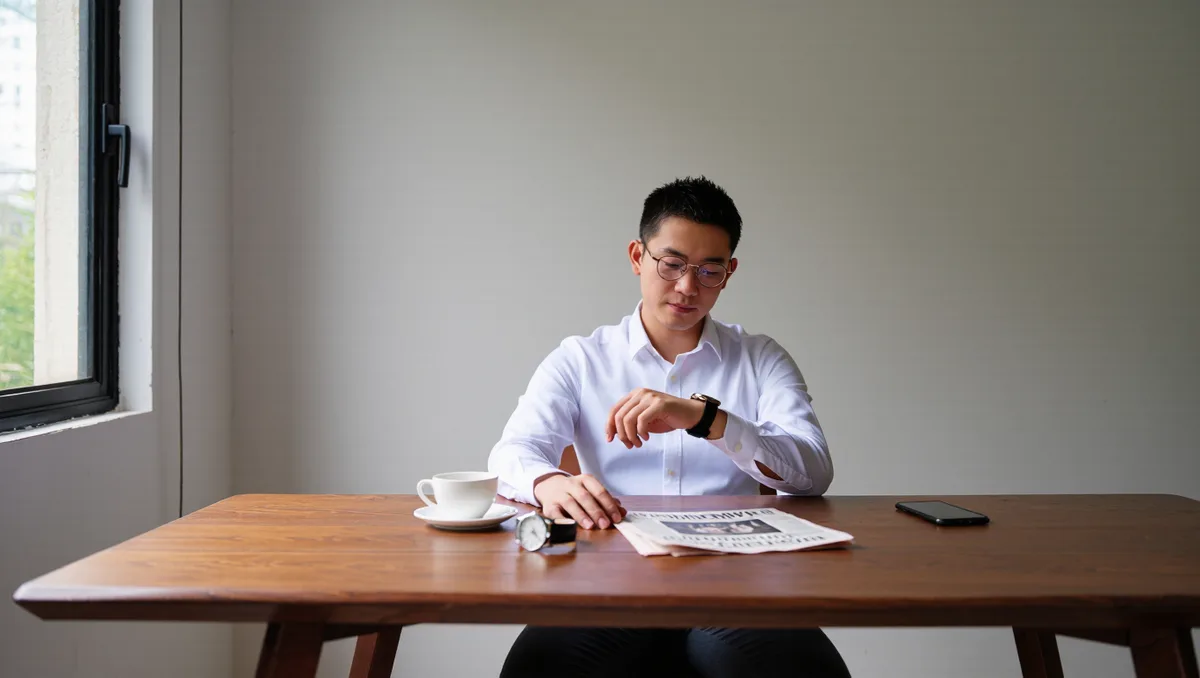
A durable world news habit depends on structure, not willpower. Readers who last give the news one fixed slot in the day and close the tab when the slot ends. A short source list keeps that slot calm. Practiced this way, staying informed stops feeling like homework and starts feeling like reading.
The stakes are measurable. Per the Reuters Institute’s Digital News Report 2025, drawn from 48 markets on six continents, 40% of people sometimes or often avoid the news, the joint highest figure the survey has recorded. It ties the retreat to overload and to news that feels upsetting. A calmer habit design answers both problems.
Why Do Most News Habits Collapse Within Weeks?
They collapse because they run on alerts and guilt rather than on a fixed time and place. The smartphone made news available everywhere, and availability invites grazing. Per Pew Research Center’s News Platform Fact Sheet, updated in September 2025, 86% of U.S. adults at least sometimes get news from a smartphone, computer or tablet, and 56% do so often.
Grazing has a cost. Attention scatters across headlines, and nothing gets read with care. A habit holds when the news gets a border: one sitting at a fixed hour, with a defined end. Everything outside the border waits until tomorrow, and the world loses nothing by the wait. For related coverage, see What Election Observers Actually Do All Day.
What Does a Workable Daily Slot Look Like?
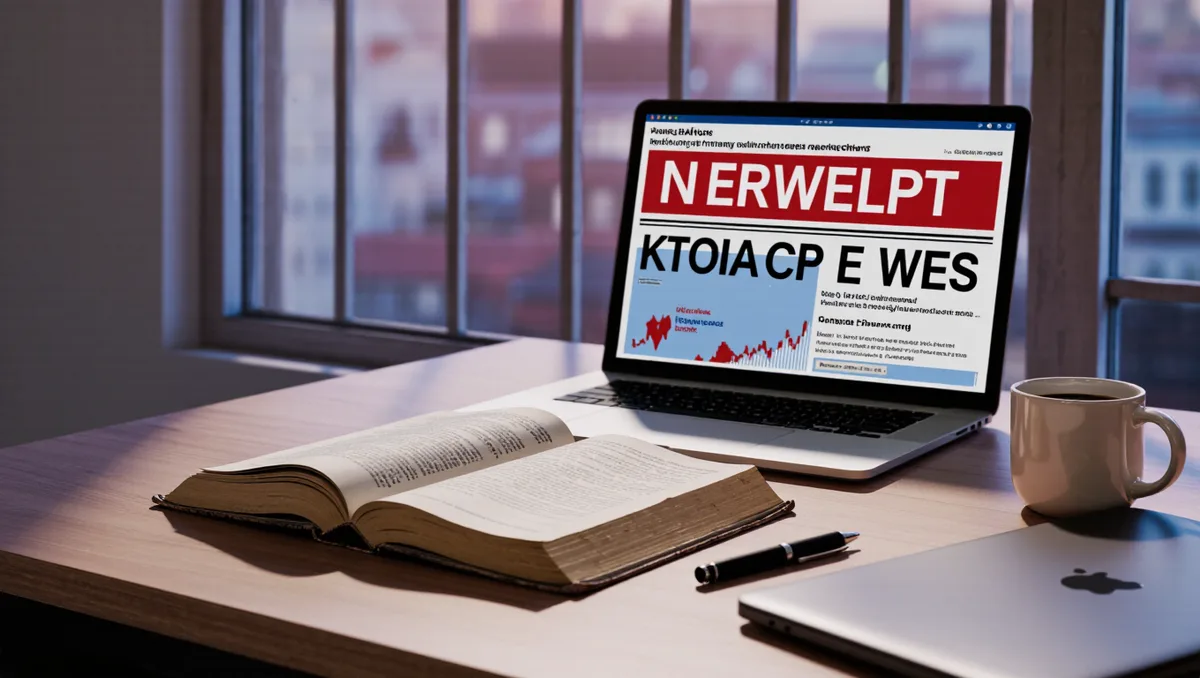
The question of how to follow world news is really a question of design, and the simplest design is a quarter of an hour at the same time each day. Morning suits one reader and evening suits another; the clock matters more than the hour chosen. A single sitting beats scattered checks, because finishing is part of the ritual. This connects to our earlier piece, The Editor's Memo: How Cover Stories Are Chosen Each Cycle.
Inside the slot, keep the menu short. One summary piece read closely, followed by one full story, is a complete meal. Once a week, add a longer read on a region far from home. Depth on one unfamiliar place teaches more than skimming across many familiar ones.
Do Newsletters and Weekly Digests Actually Help?
They help because they carry their own edge. A digest arrives at a set hour, ends when it ends, and asks nothing beyond the reading. Curation by a named editor also filters the noise that feeds amplify. For a beginner, one daily digest plus one weekly deep dive is plenty.
The format matters less than the boundary. A newsletter or a podcast works when the endpoint is built in. What fails is the infinite scroll that treats every headline as an obligation. A habit needs furniture, not an open door.
How Much News Is Too Much for One Mind?
Past a modest dose, extra scrolling tends to add anxiety faster than understanding. The American Psychological Association’s Monitor summarized peer-reviewed work in November 2022 in which all types of news media consumption increased emotional distress in one study of 2,251 adults, with television and social media the strongest associations. The finding does not say news harms everyone. It says dose matters.
A cap protects the habit from its own appetite. When a crisis dominates the cycle, the cap holds the line: read the best available account once, then stop. The world rarely changes inside an hour, whatever the alerts imply.
Which Sources Earn a Place in the Rotation?
Two tests sort the field quickly. First, accountability: the outlet names its reporters and says plainly who funds it. Second, range: at least one source sits outside the reader’s own country, so the world is not viewed only from home. Sources that fail either test belong outside the slot.
Primary documents deserve a seat as well. A summit communiqué or a treaty annex lets readers check summaries against the record. Statistical offices and multilateral agencies publish most of these documents free of charge. One primary document a week is worth an entire feed of secondhand summaries.
Conclusion: A Small Window, Opened on Purpose
A world news habit sticks when it respects limits. One fixed slot and a short, accountable source list turn global affairs from a source of dread into a daily ritual. With four in ten people worldwide already avoiding the news, per the same 2025 survey, the goal is not more consumption. The goal is a better-shaped quarter of an hour, kept for life.