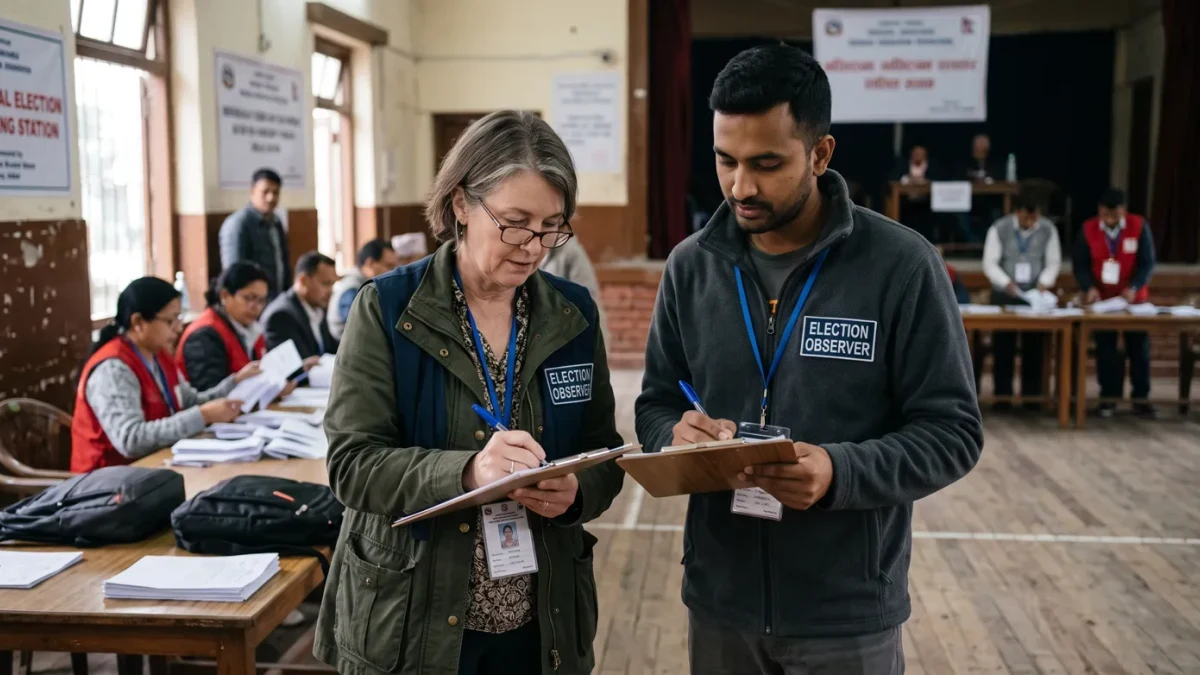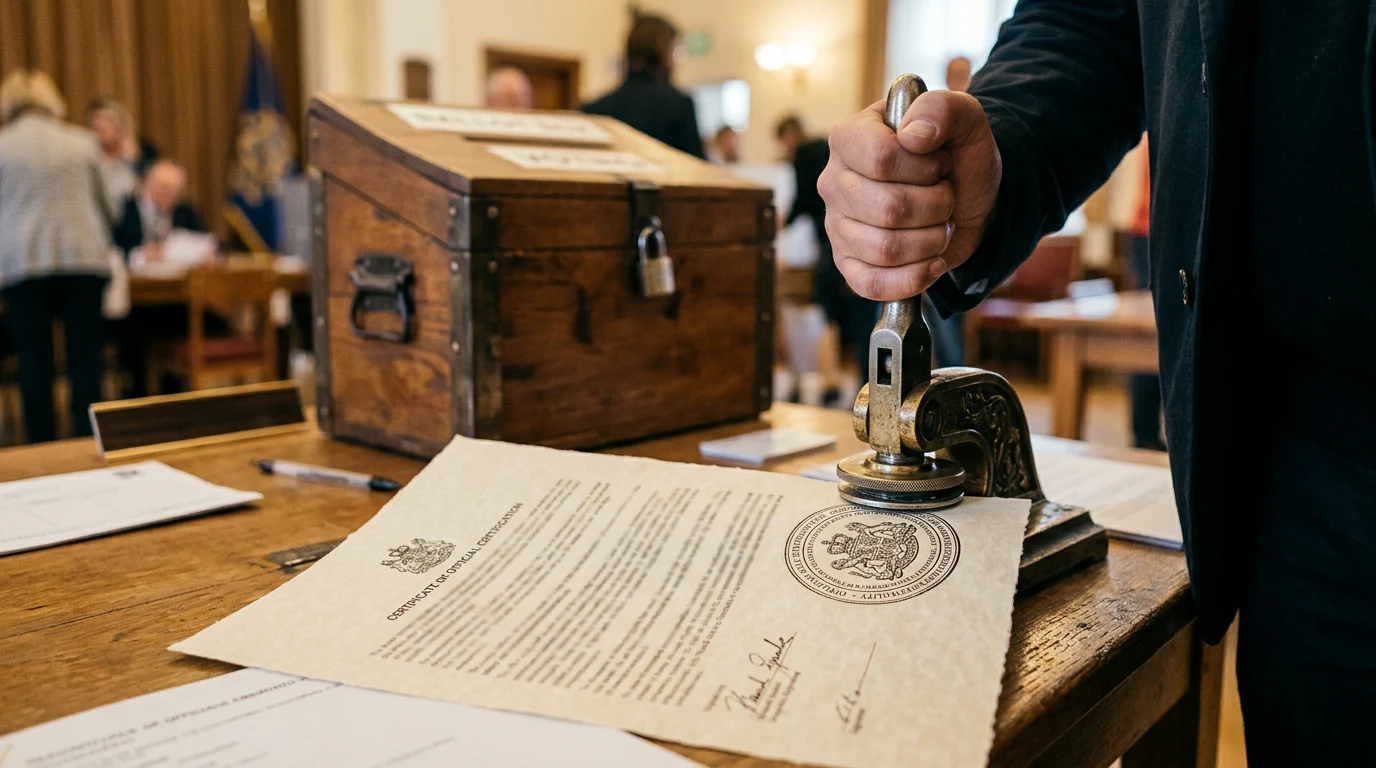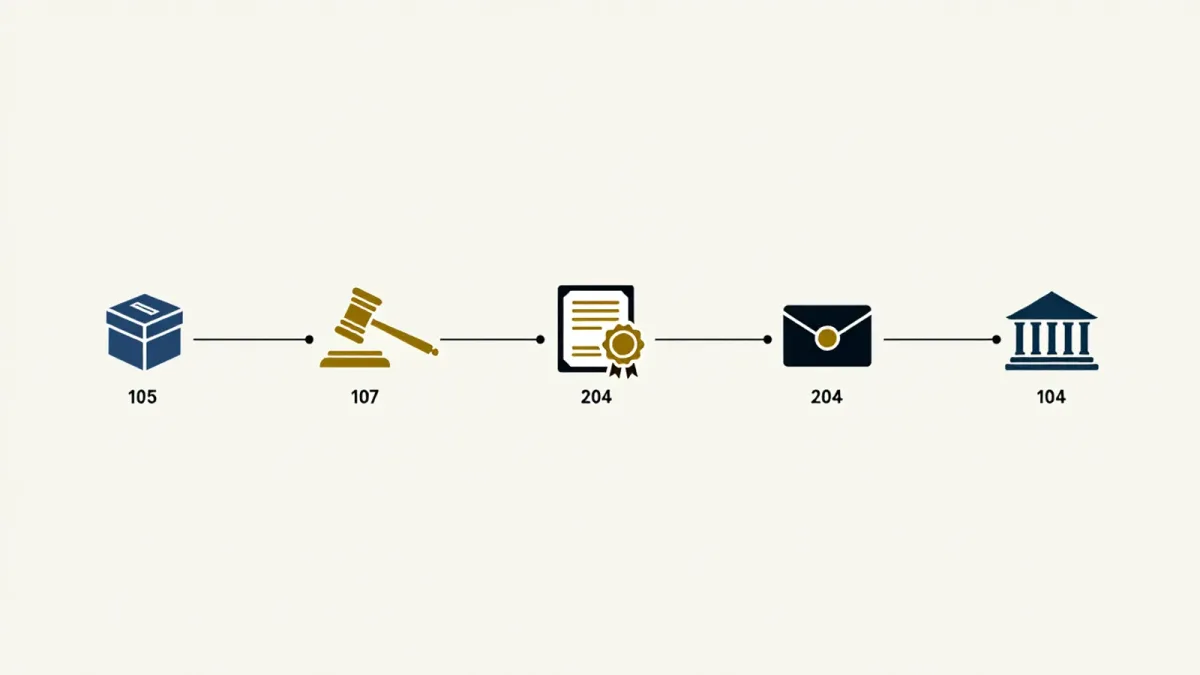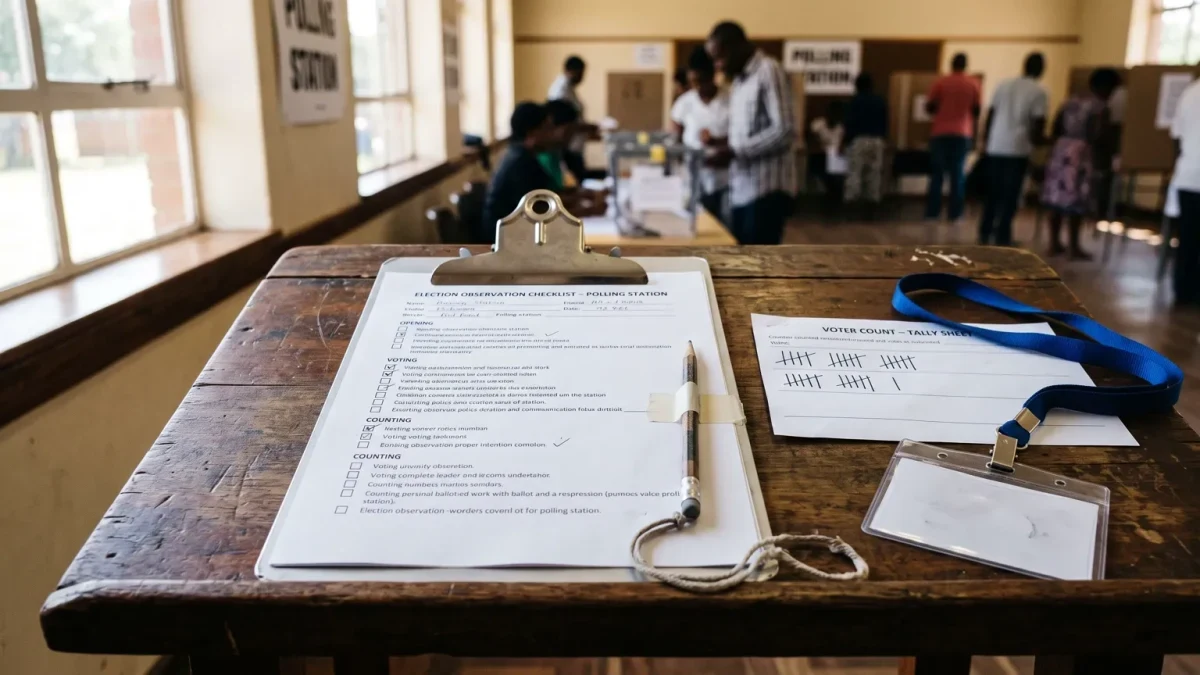
Election observation, done properly, is a statistical audit with a diplomatic passport: the OSCE's Office for Democratic Institutions and Human Rights, the world's most institutionalized observer, fields long-term analysts weeks before voting day, deploys short-term observers in teams of two across a country's regions, and issues findings against a published methodology that grades every stage of the process — legal framework, media coverage, campaign finance, complaints, counting — not just the queue outside the polling station. A typical ODIHR mission runs from a handful of core experts to several hundred observers for a national election, as in its reports on recent Polish, Ukrainian and Turkish votes, and its post-election reports routinely run to thirty-plus pages of granular criticism that host governments both quote and resent.
Who invites the observers, and can they be refused?
ODIHR observes in the 57 participating states of the OSCE — a region from Vancouver to Vladivostok — by standing invitation, though access on the ground is negotiated mission by mission, and Russia's invitations lapsed entirely after 2021 legislation restricted ODIHR's deployment size, effectively ending observation there. Elsewhere, the second major player is the European Union, which fields missions under its own framework combining parliamentarians and short-term analysts, as in its reports on elections from the Balkans to Africa and Asia. The Carter Center, the African Union, the Commonwealth and the Council of Europe's parliamentary assembly round out the field. All operate on consent: observers have no authority, carry no mandate to intervene, and can be denied accreditation — a refusal that itself becomes a finding.
What is the methodology, exactly?
Quantitative and unforgiving. Short-term observers file standardized observation forms from a random or representative sample of polling stations, and the mission's analysts compare their counts against official results — statistically significant divergence between observer-observed and officially reported figures is the sharpest tool in the box. Long-term analysts, meanwhile, read media monitoring data (how many minutes, positive or negative, each candidate received), campaign-finance disclosures, complaints-court dockets and the electoral code itself against OSCE commitments and international standards. The final judgment is scaled: an election can 'meet OSCE commitments' with noted deficiencies, be judged competitive but with issues needing attention, or — as ODIHR's reports on the 2020 Belarusian election stated — be assessed as not bearing the hallmarks of a genuine contest at all.
Do observers change outcomes?
Rarely the result, often the process. The strongest documented effects are deterrence and detail: blatant box-stuffing is harder where strangers with checklists appear, and mission recommendations — biometric registers, camera access to counts, complaint deadlines — get adopted wholesale in countries seeking EU integration, where satisfying ODIHR reports functions as a chapter in the accession ledger. The honest limits are equally documented: observation cannot cure structural media dominance, administrative-resource campaigning or a tilted courts system, and missions say so in language that is usually softened in wire copy. 'The elections were competitive, yet held amid an uneven playing field' — the recurring formula in recent ODIHR statements — is a polite sentence carrying a blunt verdict.
Why do states accept the criticism at all?
Because the alternative is worse: an unobserved election is assumed fraudulent by everyone who wished it otherwise, while an observed one at least fixes the terms of the argument. Democratic transition governments invite missions as certification; semi-competitive regimes invite selective, friendlier alternatives — a gray market of observer bodies with weaker methodologies and sunnier statements, which ODIHR's leadership and academic researchers have both criticized as observation laundering. The competition between rigorous and compliant observers has itself become part of the global electoral landscape: checklists versus photo opportunities, statistics versus statements of confidence.
What happens after the plane leaves?
The report. ODIHR publishes final reports with recommendations and then, uniquely, follows up: its follow-up visits assess whether host states implemented the fixes, turning election observation from an event into a multi-year loop. That follow-through is the least glamorous and most consequential part of the trade — the difference between grading a country's homework and helping it write the next assignment. The observers will fly home, the forms will be archived, and somewhere a long-term analyst will begin reading a draft electoral-amendment bill, because that is where the next election is actually decided.