A cover story is the article a publication bets its week on. It gets the biggest headline, the best photography and the spot everyone sees first. Choosing one is less a science than a negotiated truce between three forces: what happened, what will still matter by the time readers finish reading, and what will make someone pick the thing up in the first place.
The process starts earlier than most readers imagine. Editors keep a running list of candidates — investigations that need another month, interviews secured weeks ago, anniversaries and summits sitting on the calendar like booked tables. When a cycle opens, the meeting is really an argument about which of those has earned the front of the book. The answer is rarely the biggest story of the moment. It is the biggest story the publication can actually deliver well. For related coverage, see Davos Is Not a Government. So Why Does the World Keep Reporting From It?.
Cover story selection also reflects who a publication thinks it is. A wire service optimises for speed. A magazine optimises for the read that survives the news cycle. This site leans toward the systems behind the headlines — how a sanctions case stalls, why a famine declaration takes so long — and the cover choices follow that identity. The mechanics below describe how that bargain gets struck in newsrooms generally, not any single masthead's private ritual. This connects to our earlier piece, The Single Objection That Can Freeze a UN Sanctions Case.
What actually gets said in the pitch meeting?
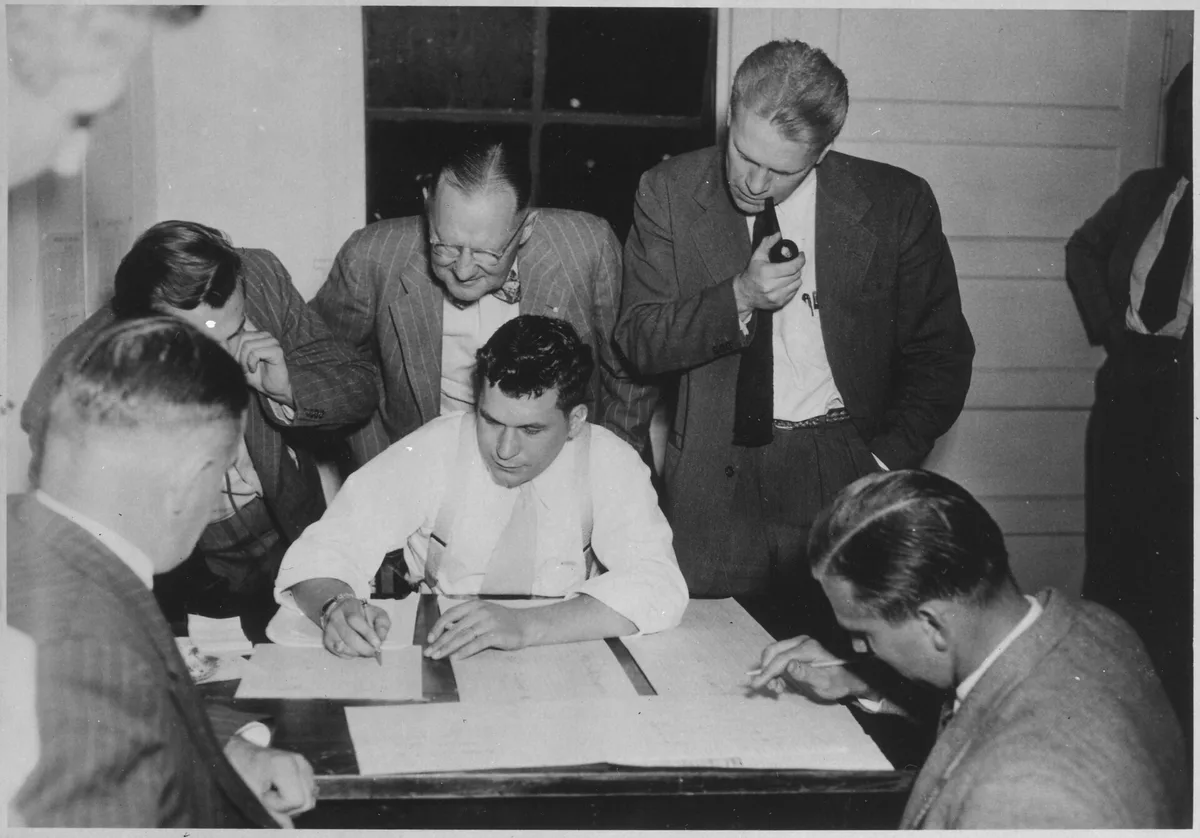
The meeting is a pitching contest with an audience of one. Writers and section editors bring candidates, each with a one-sentence case: why now, why us, why the front. The strongest pitches answer a question the room is already half-asking. A pitch that needs ten minutes of setup is usually a story for inside the book, not the cover.
Three tests tend to sort the field. First, news value: does the piece change what a reader knows or should worry about? Second, durability: will it read as fresh in a week, or does it expire with tomorrow's press conference? Third, deliverability: can the reporting actually be finished, fact-checked and illustrated by the deadline? A brilliant idea nobody can report in time loses to a good idea that is ready. Editors would rather run the second-best story they have than the best story they don't.
Disagreement is a feature, not a bug. A healthy meeting has the news-side editor arguing urgency while the features editor argues craft, and the person who ultimately decides — usually the top editor — is choosing between two defensible answers. When everyone agrees instantly, that is often a sign the room is following the pack rather than leading it.
Why does timing beat importance so often?
Because a cover is a perishable good. The same story can be an obvious cover on Tuesday and stale by Friday, depending on what the rest of the world does in between. Editors therefore schedule around known events — elections, verdicts, summits, budget days — and hold enterprise pieces in reserve for the weeks when nothing breaks. A quiet news week is an enterprise story's best friend.
Timing also works in reverse: a strong candidate can be bumped for something no one scheduled. A resignation, a ceasefire, a market shock. Newsrooms accept this volatility as the cost of the format. The bumped story usually runs the following cycle, slightly re-angled, and occasionally reads better for the wait. The discipline is to bump without killing — a piece dropped twice for breaking news tends to quietly die in the queue, which editors know and guard against.
What does "shelf appeal" mean in a feed-first world?
The phrase outlived the newsstand. It once meant a photograph that stopped a commuter at a kiosk. Now it means a headline and image that stop a thumb at a scroll speed measured in fractions of a second. The test has compressed, but the logic is identical: the cover is an advertisement for the story, and the story has to pay off the advertisement.
Production has changed accordingly. Covers are now designed for multiple crops — print, homepage, social card — and the imagery is increasingly assembled digitally. Tools have collapsed the old division of labour: a platform such as Picsart markets an online photo editor with built-in AI features that remove backgrounds, upscale resolution and generate visuals from a text prompt, which means a small team can now produce cover-grade imagery that once required a dedicated studio. That accessibility cuts both ways. It lowers the cost of a striking cover, and it raises the premium on original photography, because readers have learned to half-suspect anything that looks too polished.
The headline carries more weight than ever. Editors draft several, argue over them, and often test which framing survives being read out loud. A cover line that works is specific, honest and slightly hungry — it promises something the piece delivers without giving the whole thing away. Vagueness kills; overpromising kills slower but worse.
How does the decision get made when the room is split?
Usually by hierarchy, occasionally by argument. Most mastheads vest the final call in one editor, whose name carries the accountability if the cover flops. That concentration is deliberate: a committee cover is famously a compromise, and readers can smell a compromise. The deciding editor weighs the pitches against the publication's own recent record — what ran last cycle, what the audience responded to, what the institution has promised its readers it covers.
There is also a quiet commercial voice in the room. Covers sell subscriptions, advertising environments and, these days, newsletter sign-ups. Editors differ in how loudly they let that voice speak. The defensible position, and the one serious outlets try to hold, is that commercial considerations may influence which of two equally strong stories goes first, but never whether a story is true or how it is reported. The moment the business side picks the cover outright, the publication has started negotiating with its own credibility.
What this means for readers
Readers can reverse-engineer a masthead's priorities from its covers over time. A publication that consistently covers the machinery of power — courts, mandates, treaties — is telling you it believes its audience wants understanding over urgency. One that chases every news burst is telling you it believes in the feed. Neither is wrong; they are different bets on the same reader.
The practical takeaway: treat a cover story as an argument for what deserves your attention, then check the argument. The best covers withstand that scrutiny. The worst were chosen because the photograph looked great. Our analysis of the pattern is simple — the meeting decides less than it thinks, and the reader decides more. That is as it should be.
Where does the cover story go from here?
The format is migrating. The cover is increasingly a homepage position or a push notification rather than a printed page, and the selection logic is adapting: shorter shelf life, faster decisions, more willingness to swap mid-cycle as analytics come in. What has not changed is the underlying question every editor asks before committing the front: of everything we could put there, what will a reader thank us for putting there? The room argues. The deadline settles it. Then it starts again.