
Topic
Inflation vs. Recession: Two Words People Keep Mixing Up
One is about prices rising. The other is about the economy shrinking. They can happen together, and that is when things get hard.
One is about prices rising. The other is about the economy shrinking. They can happen together, and that is when things get hard.

A plain-language definition of foreign policy, the instruments that carry it out, and why the line between domestic and external affairs keeps blurring.

Foreign election results confuse because the machinery differs: majority runoffs and coalition math decide outcomes, while turnout laws move the numbers.

Agencies add up every cost and benefit a project imposes on society and discount the future to decide. The arithmetic is simple. The discount rates and prices buried in the assumptions quietly decide the verdict.
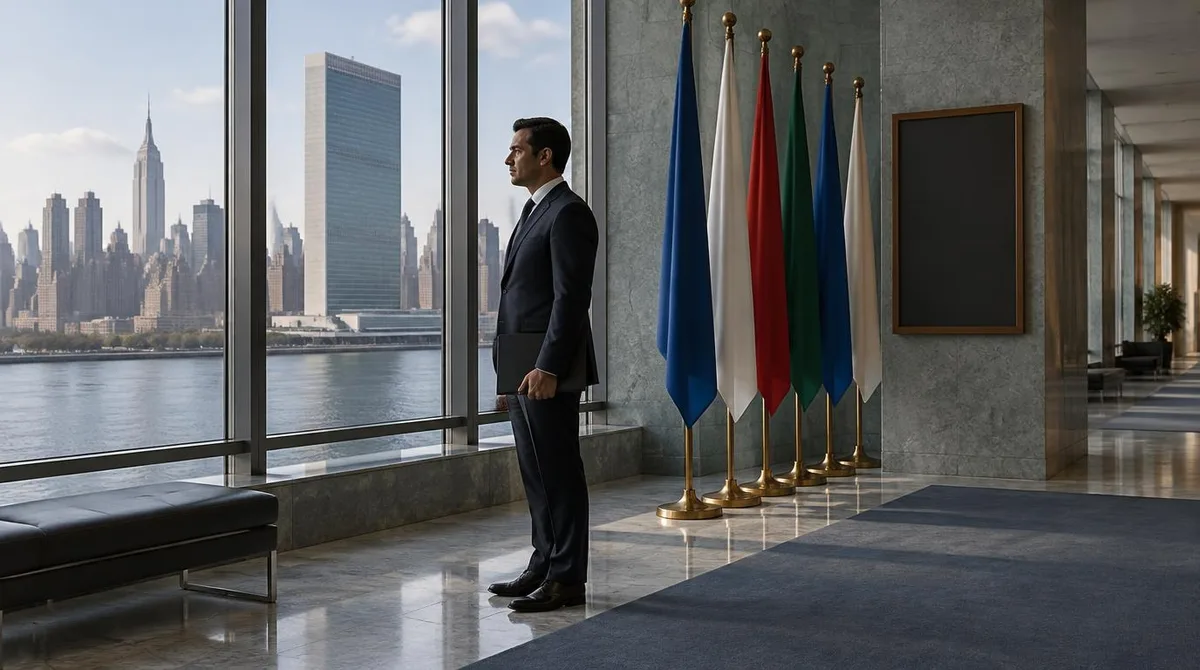
A plain map of who does what among global bodies, from the General Assembly's 193 votes to the WTO's trade rules, and why only the Security Council can bind a state.

Touring orchestras, franchised museums, and language programs let states build influence without treaties. Fulbright, Louvre Abu Dhabi, and millions of language learners show how cultural diplomacy works, and where its proof runs out.
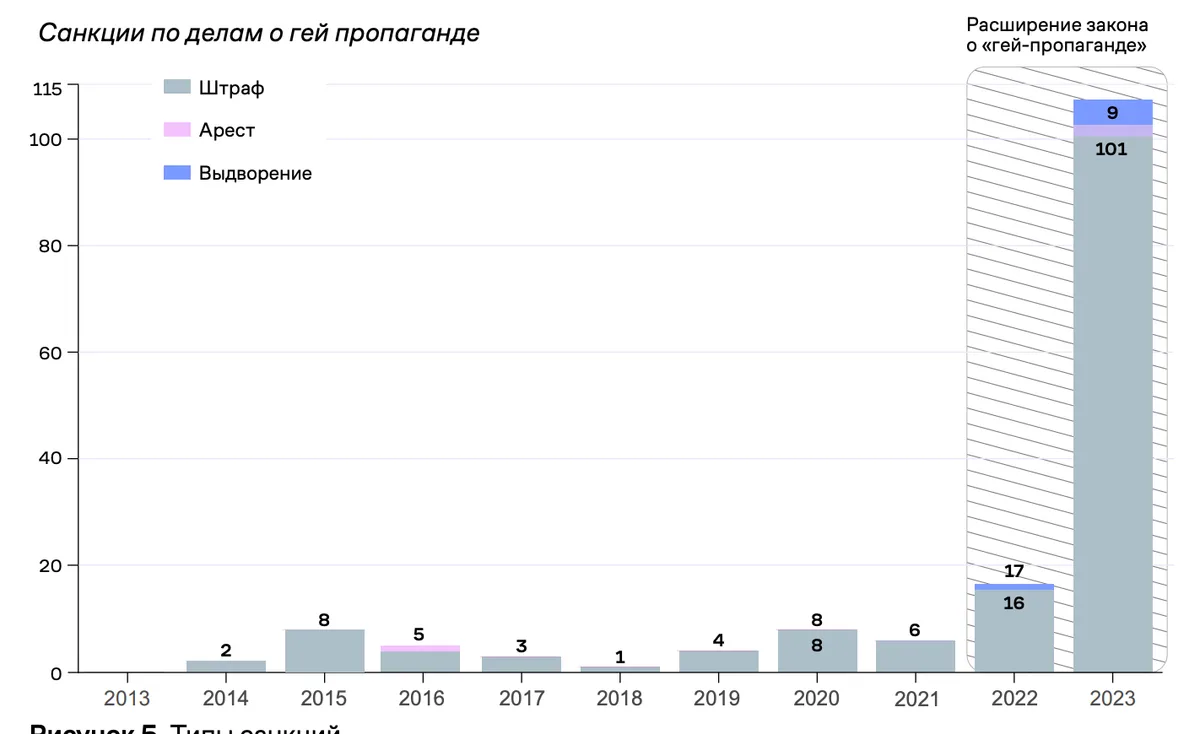
Sanctions are policy carried by lists and bank ledgers rather than soldiers. The Security Council has built 31 regimes since 1966, and OFAC ran 37 programs by 2021.

Policy analysis is data cleaning, replication and memo writing. Per the BLS handbook, about 8,800 survey researchers held jobs in 2022, most inside research firms.
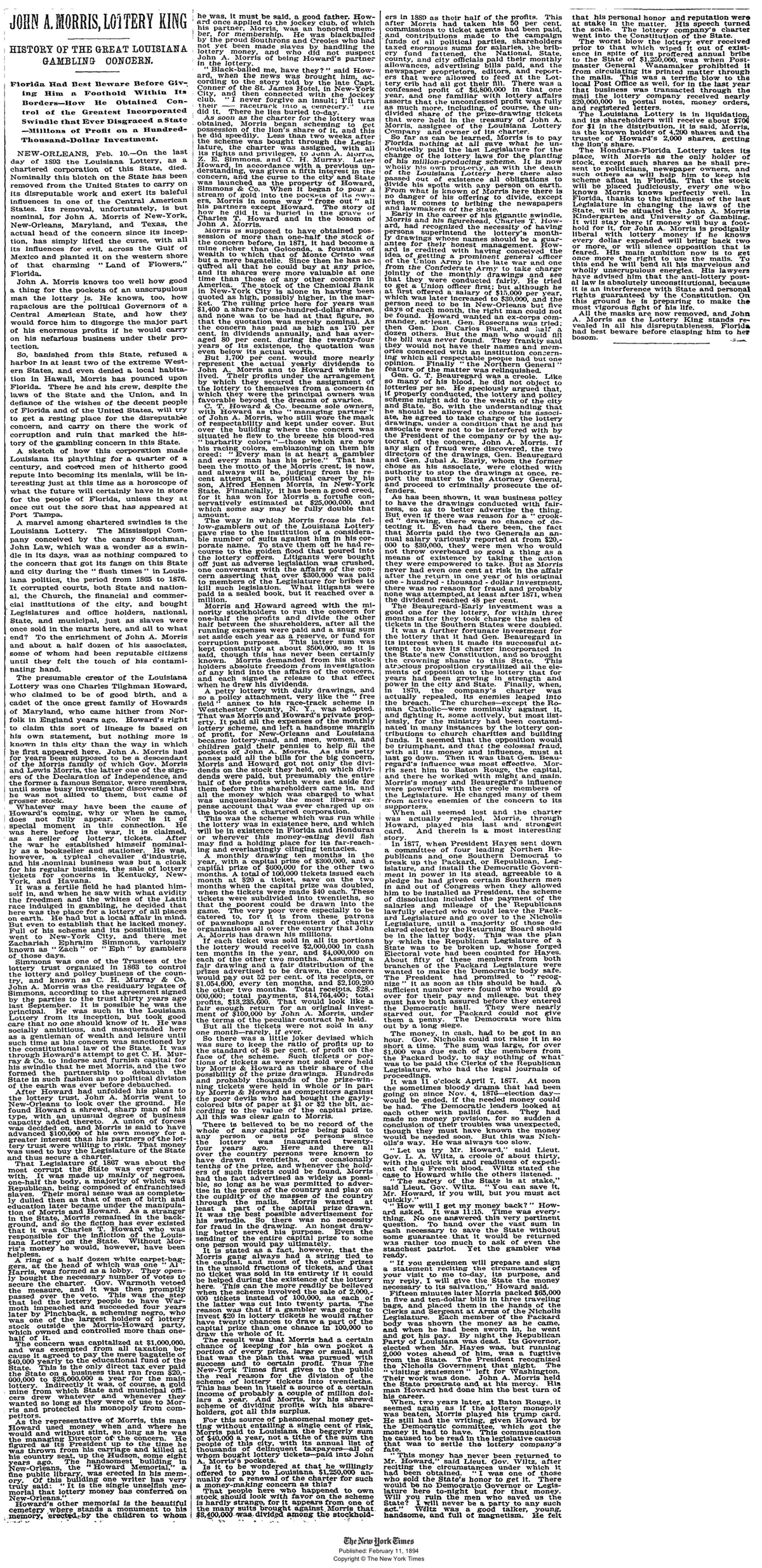
News value, timing and shelf appeal collide in a room where everyone has an opinion and one person signs the cheque.
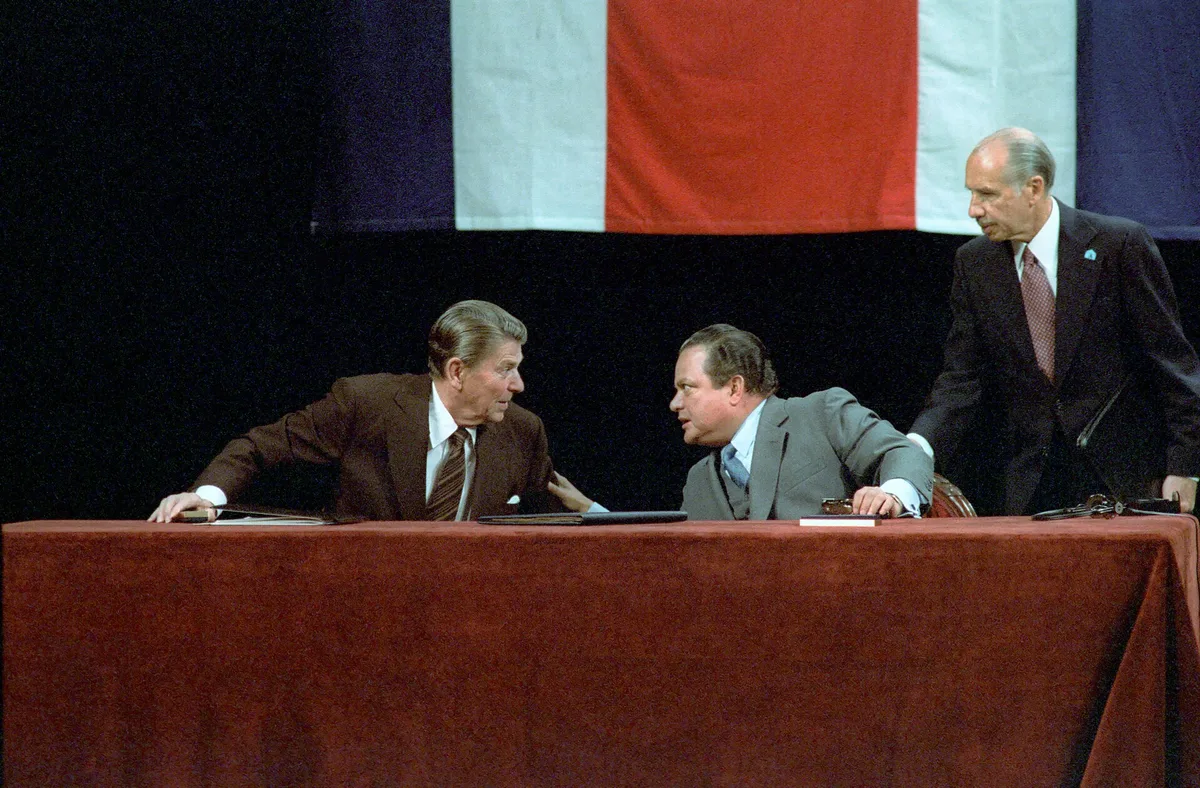
Extradition treaties are the quiet plumbing of international justice. How dual criminality, political exceptions and human rights bars decide who gets sent home.