
Topic
Foreign Policy Definition: What It Means and How Governments Use It
A plain-language definition of foreign policy, the instruments that carry it out, and why the line between domestic and external affairs keeps blurring.
A plain-language definition of foreign policy, the instruments that carry it out, and why the line between domestic and external affairs keeps blurring.

Matches have opened doors that formal talks left shut: the 1971 ping pong exchange in China and the unified Korean hockey team at PyeongChang 2018 both eased frozen relations.

Diplomats run on method, not inspiration: a prepared fallback, interests beneath positions, and patient process. Camp David, the Harvard Negotiation Project, and the United Nations each put the parts on record.
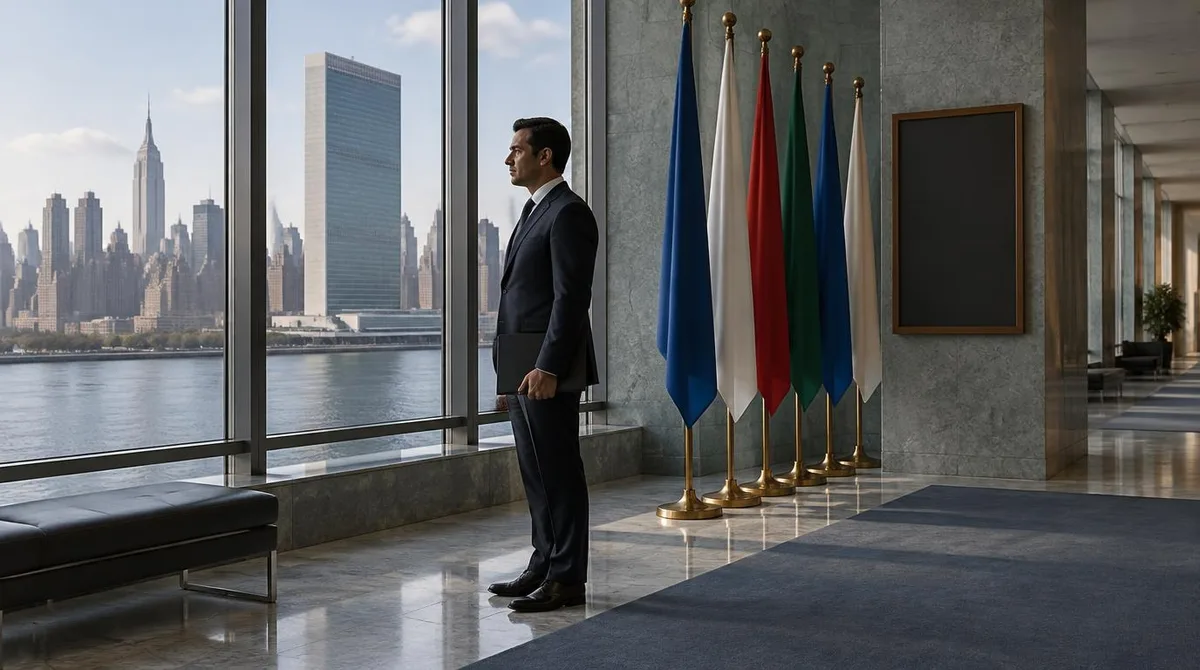
A plain map of who does what among global bodies, from the General Assembly's 193 votes to the WTO's trade rules, and why only the Security Council can bind a state.

Touring orchestras, franchised museums, and language programs let states build influence without treaties. Fulbright, Louvre Abu Dhabi, and millions of language learners show how cultural diplomacy works, and where its proof runs out.
Microstates turn smallness into influence: coalition blocs at the United Nations, procedural niches, and quiet mediation, as the Cuban thaw of 2014 showed.

Monuments, street names and official remembrance days are not history. They are arguments about history, and the winners usually hold the keys.
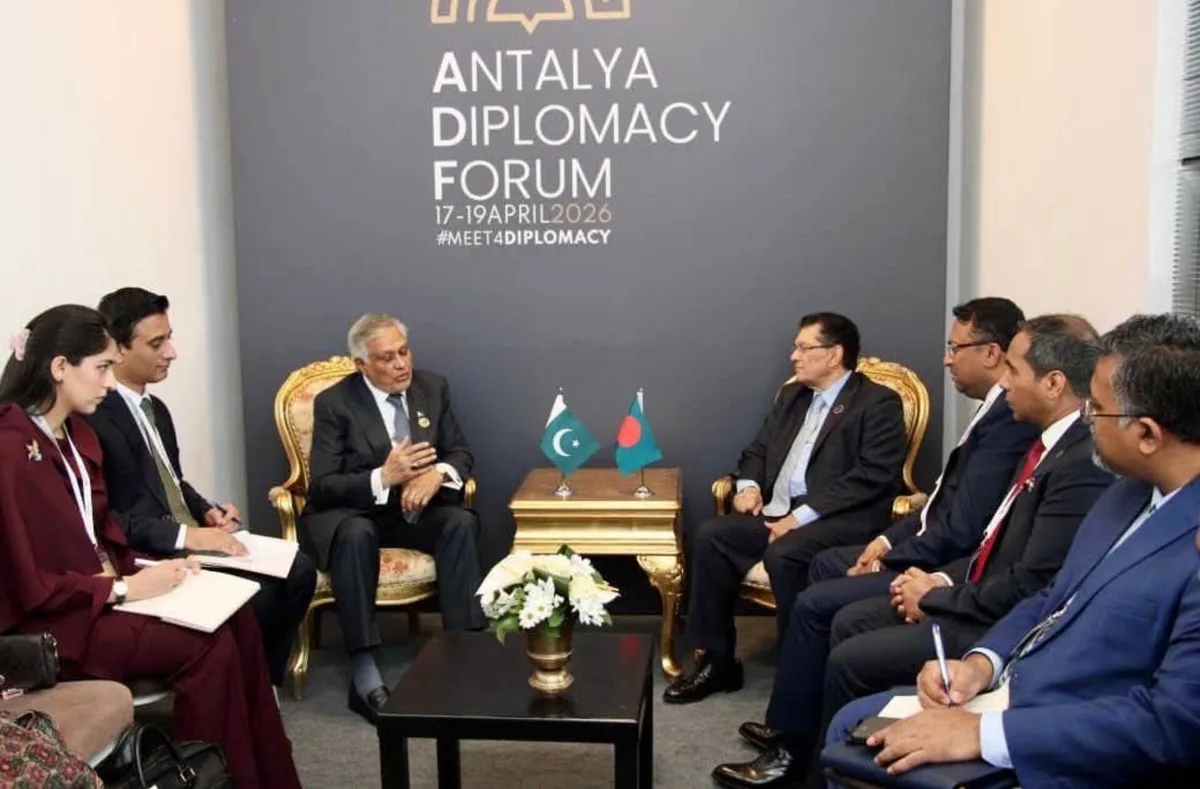
Why do diplomats sometimes demand a private room and sometimes a summit table? The choice between bilateral and multilateral talks is a strategic decision.
Extradition treaties are the quiet plumbing of international justice. How dual criminality, political exceptions and human rights bars decide who gets sent home.