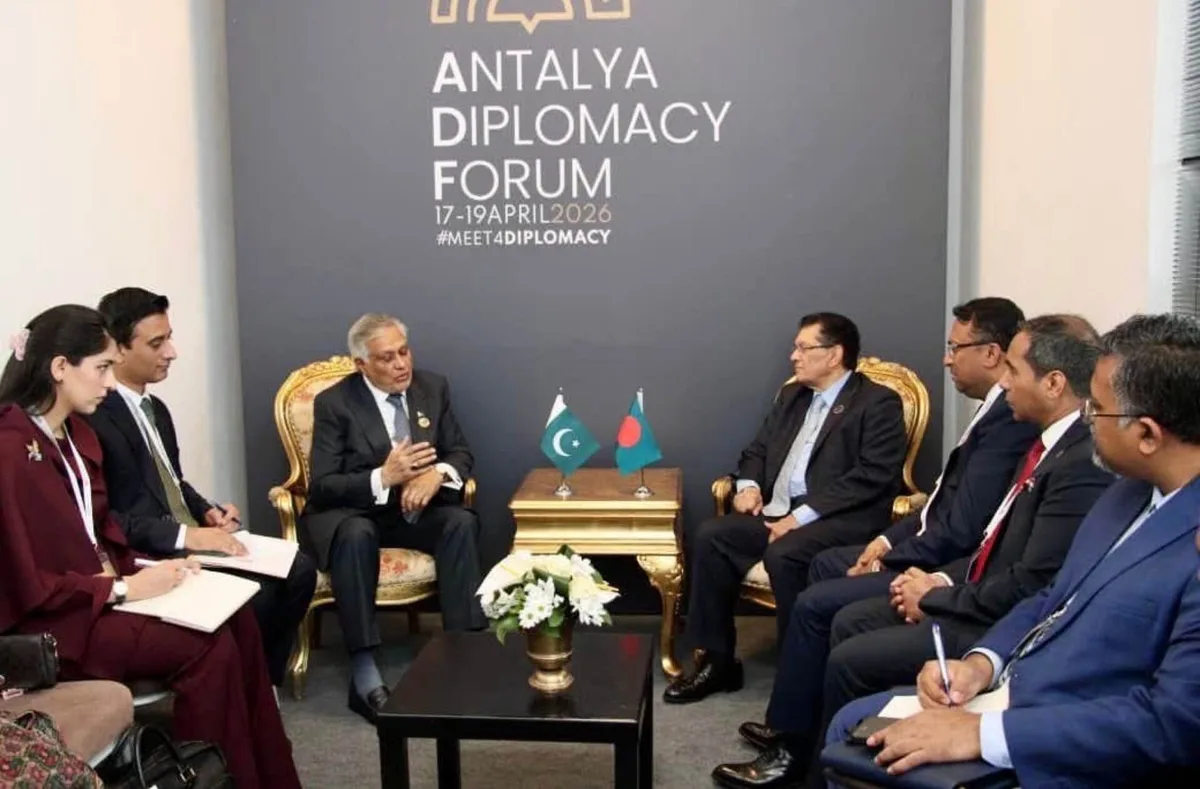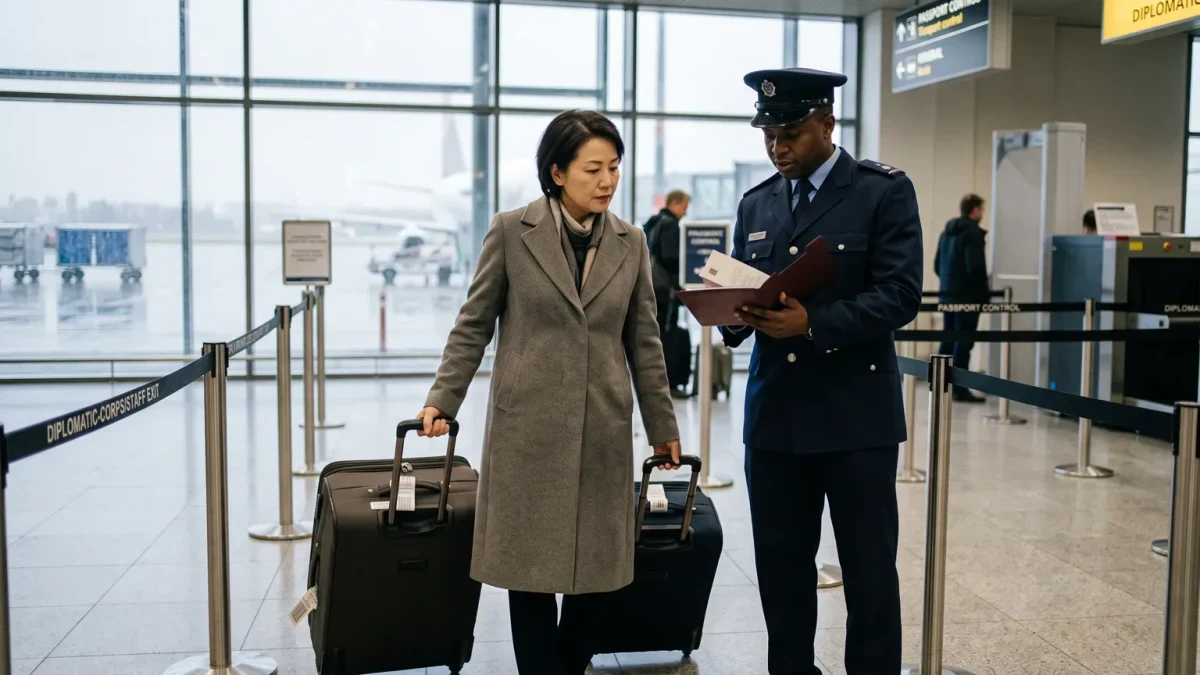
Persona non grata — literally 'unwelcome person' — is the one instrument of diplomatic law that requires no reason, no evidence and no appeal: under Article 9 of the 1961 Vienna Convention on Diplomatic Relations, a receiving state may at any time and without explanation notify the sending state that any member of its mission is unwelcome, and the diplomat must then be recalled or their tenure ended. The declaration cannot be challenged, and refusing to recall the official permits the receiving state to refuse to recognize them as part of the mission at all. What was designed as a sovereignty safety valve has become the preferred unit of calibrated state hostility: expulsions are countable, deniable in motive, symmetrical in retaliation, and cheap enough to deploy in bulk — the coordinated 2018 expulsion of over 150 Russian intelligence officers posing as diplomats, after the Salisbury poisoning, and the matching 2022 waves that emptied European embassies of hundreds of staff, are the format's largest-scale expressions.
Why does the rule work without explanation?
Because diplomacy is voluntary. A state hosts a foreign mission by consent, and the Vienna framework treats the presence of any individual diplomat as a continuing act of that consent — revocable unilaterally, like hosting any guest. Receiving states almost always give reasons in public — espionage, activity inconsistent with diplomatic status, the standard euphemisms — but they are under no obligation, and the legal effect is identical whether the explanation is detailed or absent. The counterweight is reciprocity, which the system embeds rather than prescribes: every expulsion invites a mirror response, and states calibrate numbers and seniority with the precision of a tariff schedule — one first secretary for one first secretary, a consul for a consul. When the intent is escalation, the symmetry is broken deliberately.
Who actually gets expelled — and why spies dominate?
The overwhelming majority of expulsions target intelligence officers operating under diplomatic cover, and the practice is governed by an unspoken equilibrium: embassies carry a known quota of undeclared intelligence staff, host services count them, and expulsions are used to prune the tally or punish specific operations. Western services periodically conduct 'mass registrations' — declaring they have identified N undeclared officers who must leave — which are expulsions wearing procedural gloves. The reverse abuse exists too: the spy-diplomat accusation is a ready-made pretext for thinning an embassy's legitimate staff during political crises, as documented in the tit-for-tat reductions between Washington and Moscow that left both embassies by the early 2020s operating at a fraction of their accredited strength, consular queues lengthening on both sides as a direct consequence.
What is the difference between expulsion and being declared unwelcome before arrival?
Article 9's second function is preventive: a state may refuse to accept a proposed ambassador or staff member in advance, again without explanation — the mechanism behind every reported 'unacceptable' nomination, as when heads of mission are quietly rejected during the agrément process. A notified state can still send the person, but the receiving state may then declare them non grata on arrival, so in practice the nomination is withdrawn and the affair remains deniable. This front-end version does the same work as expulsion with less noise, which is precisely why it is the preferred channel among states that wish to signal without spectacle.
Can the tool be overused?
The 2018 and 2022 waves tested exactly that. When 25-plus countries expelled Russian diplomats in coordinated solidarity in 2018, the format revealed its strength: a single vocabulary of disapproval spanning capitals, alliances and continents, executable in a news cycle. The 2022 rounds revealed the cost: expulsions emptied embassies needed for consular protection of stranded citizens, broke the communication channels that even adversaries require, and — as Russian missions shrank across Europe and Moscow answered in kind — contributed to a general thinning of diplomacy whose absence everyone later felt. Tool-makers noticed: several states responded by shifting expulsions toward 'declared unwelcome' quiet forms or visa denials, preserving the signal while reducing the diplomatic eviction rate.
What happens to the diplomat afterward?
Administratively, a flight home and reassignment; professionally, within the sending service, expulsion is often a credential — proof of important work, publicly witnessed. Host states know this, which tempers the accusation's sting: being PNG'd is serious for bilateral relations and nearly meaningless for the individual's career. That asymmetry is the instrument's final elegance. It injures the relationship in exactly the amount intended, injures the person not at all, and leaves both sides free to declare victory — the rare diplomatic act that does precisely what it says, which is why it will remain the world's favorite insult so long as states need to disapprove of each other in measurable units.