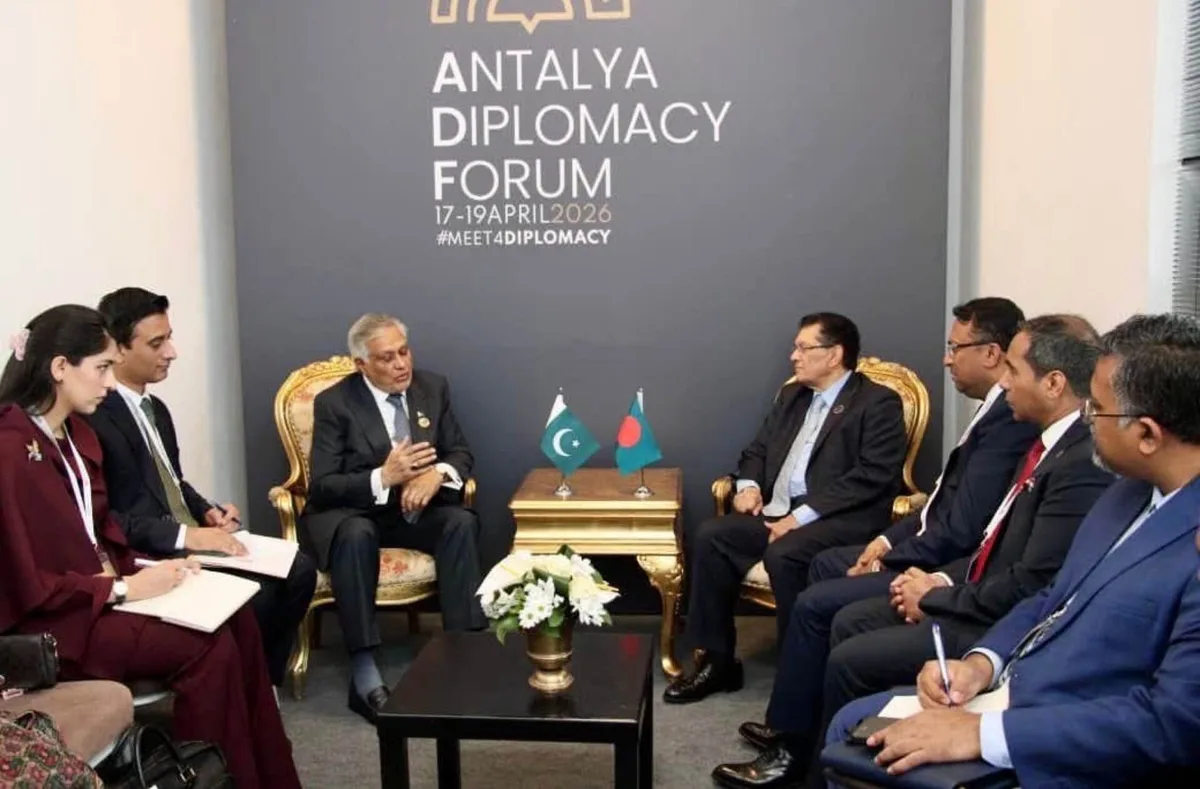
When states break off diplomatic relations, a third state can be asked to act as protecting power: it represents the interests of one country inside the other's territory, safeguarding its embassy, its nationals and its consular files under Article 45 of the 1961 Vienna Convention on Diplomatic Relations. The device is quiet by design and remarkably durable — Switzerland has performed the role for the United States in Iran continuously since 1980, and Pakistan and Saudi Arabia have repeatedly represented rivals who would not speak to each other directly. A protecting power is the plumbing of broken diplomacy: invisible until relations rupture, then indispensable.
What does a protecting power actually do day to day?
Its mandate is whatever the sending and receiving states agree, and the bread-and-butter tasks are consular. The protecting power visits detained nationals of the represented state, passes diplomatic notes between governments that have no channel of their own, issues emergency travel documents, protects embassy property — the Vienna Convention requires receiving states to respect and protect premises of a mission even after rupture, and the protecting power is the practical guarantor — and occasionally delivers the messages that end wars. During the negotiation of the 1953 Korean Armistice, and again in later prisoner exchanges, neutral intermediaries carried the traffic; the pattern is old enough that Article 45 merely codified practice that the Swiss had been performing since the Franco-Prussian War.
Who gets asked, and why is it usually Switzerland?
The defending state proposes candidates; the receiving state must consent, which makes neutrality the entry fee. Switzerland, Sweden, Austria and a handful of others have institutionalized the service, with Switzerland's current caseload spanning multiple simultaneous mandates and a history of over 30 protecting-power relationships since 1870. The work is coveted less for influence than for standing: a state trusted by both sides of a rupture earns a seat at moments when no one else has one. Pakistan represented the United States in India for years after 2019's rupture, and India returned the favor for Pakistan in third countries — an arrangement the two rivals renew with the regularity of a utility contract.
Can a protecting power get caught in the middle?
Constantly, and the hazards are reputational as much as physical. The protecting power passes messages it does not control and represents positions it does not endorse; if negotiations collapse, both sides remember the messenger. The role also demands scrupulous separation — staff handling a mandate must wall it off from their own bilateral relations, and the embassy sections under protection are legally the represented state's, not the protector's. The most sensitive variant is the 'interests section': the protected mission keeps its own local staff and much of its presence, as Cuba's and Iran's interests sections in Washington operated for decades under Swiss and Czechoslovak protection, functioning in practice as embassies with a legal fiction for stationery.
What happens to the embassy building itself during a rupture?
The premises do not revert to the receiving state and cannot simply be seized; under the Vienna framework they remain inviolable, and their keys pass to the protecting power pending normalization. This is why abandoned embassies sit frozen for decades — the United States embassy in Tehran, seized in 1979 in the episode that severed the relations Switzerland still manages, remains the world's most famous example of a compound whose legal identity outlived its diplomatic function. Conversely, frozen diplomatic property has become a bargaining chip in wider disputes, with maintenance costs, utility bills and occasional custodial disputes generating their own miniature diplomacy between protecting powers and host governments.
Does the institution have a future?
Every prediction of its obsolescence has been answered by demand. The number of formal ruptures has grown rather than shrunk across the 2010s and 2020s, and each rupture requires a custodian. What is evolving is the workload: sanctions compliance, consular protection for stranded nationals in conflict zones and the verification tasks that accompany prisoner exchanges all land on the protecting power's desk. States that once treated the role as a quaint tradition now staff it as a standing capability — Switzerland maintains a dedicated division inside its foreign ministry precisely because, in a fragmenting diplomatic landscape, someone has to keep the lights on in the buildings the world's quarrels leave behind.