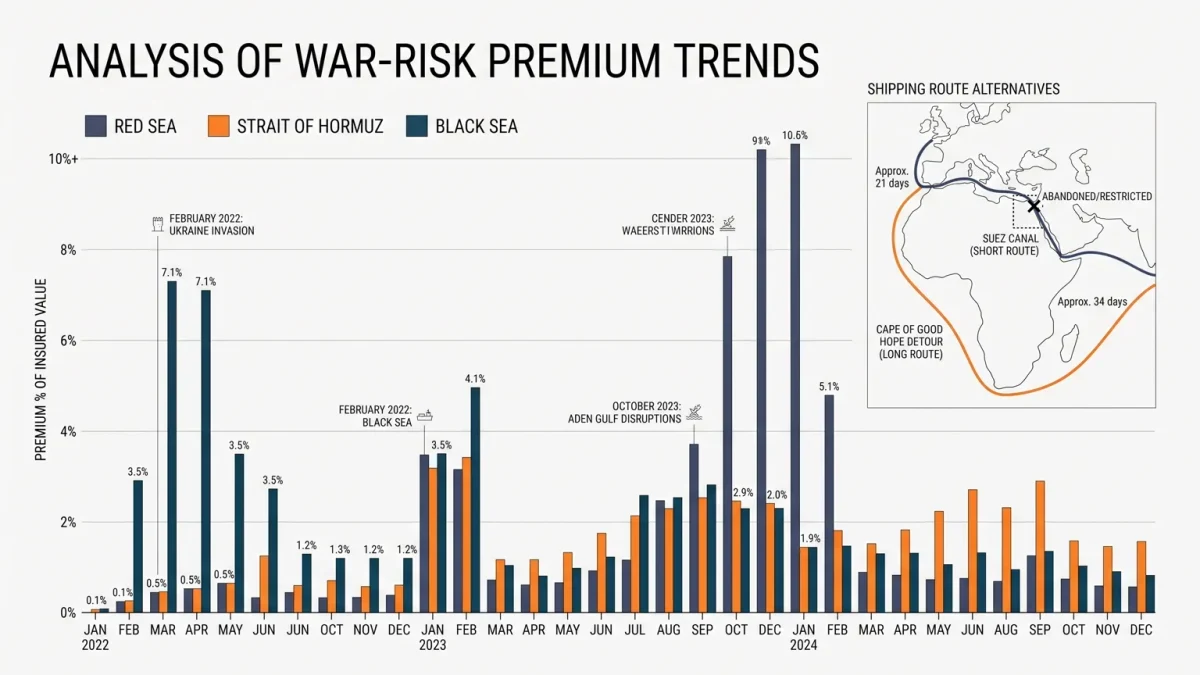
War-risk insurance prices conflict directly: when a ship enters a listed high-risk zone, its hull policy's ordinary premium is supplemented by a war-risk rate quoted as a percentage of vessel value for the voyage, and that number moves within days of real-world events — after attacks in the Red Sea began in late 2023, quoted rates for transits there rose roughly tenfold from a few tenths of a per cent of hull value toward one per cent or more, per reporting by Reuters and the specialist maritime press. A 100-million-dollar tanker paying an extra one per cent is buying a million dollars of conflict risk for a single passage. That is the market's honest verdict, recalculated weekly.
Who actually sets these prices?
A small, concentrated London-centered market. The Joint War Committee of Lloyd's of London — a panel of underwriters from the market's biggest syndicates — meets regularly and publishes a listed areas advisory naming waters whose risk justifies special terms: the Red Sea and Gulf of Aden, the Black Sea, parts of West Africa, the Strait of Hormuz at various moments. The list has no legal force; it is an act of coordination that prevents underwriters from being undercut by colleagues who have not read the same news. Individual underwriters then quote actual rates per voyage, and brokers shop the quotes. The committee's power is informational and reputational, which in this market is the same as power.
What determines the size of the premium?
Four inputs dominate. Vessel value and profile — a laden oil tanker is a different proposition from a bulk carrier. The specific route and its history: each successful attack, seizure or missile straying near a corridor raises the baseline, and each quiet month lowers it slowly. The vessel's flag, ownership and any perceived national connection, which attackers have shown they notice. And the claims history of the zone, including the awkward fact that a total loss of a large vessel can exceed a billion dollars once salvage, pollution and liability stack up. Because rate revisions are fast and reversible, war-risk pricing functions as a near-real-time geopolitical index: the market's 'no' arrives faster than any foreign ministry's communiqué.
What happened in the Black Sea and the Red Sea?
Two natural experiments. After February 2022, the Black Sea's grain corridors were uninsurable at any workable price until the UN-brokered Istanbul initiative of July 2022 created a framework that underwriters could price — whereupon coverage returned within weeks and millions of tonnes moved; when the initiative lapsed in July 2023, Ukraine built a coastal corridor whose viability rested partly on insurers' willingness to price a unilateral route, which they did, at a premium. In the Red Sea from late 2023, the calculus ran the other way: attacks on shipping pushed major carriers to abandon Suez transits altogether for Cape of Good Hope routings, adding roughly ten to fourteen days per voyage and absorbing the added fuel cost rather than the war-risk premium — a decision that rerouted global trade faster than any treaty ever has.
Can states simply override the market?
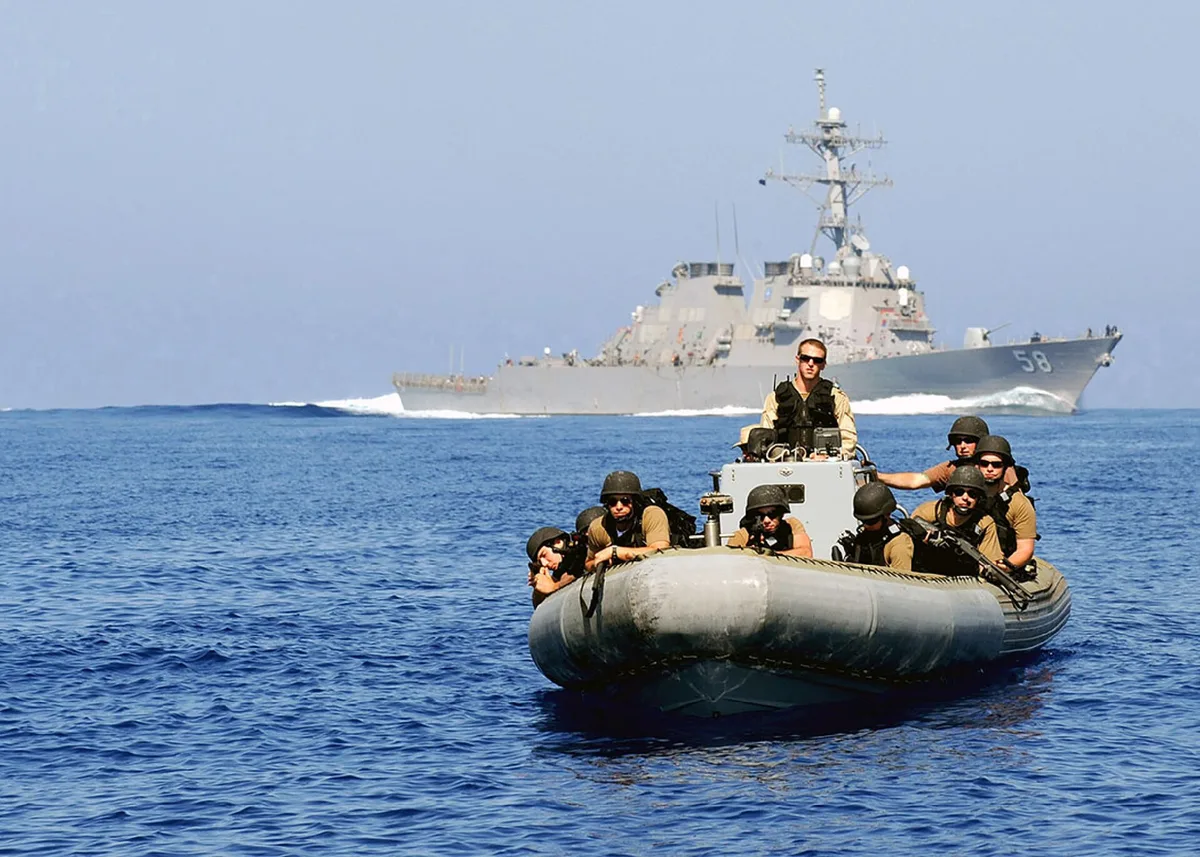
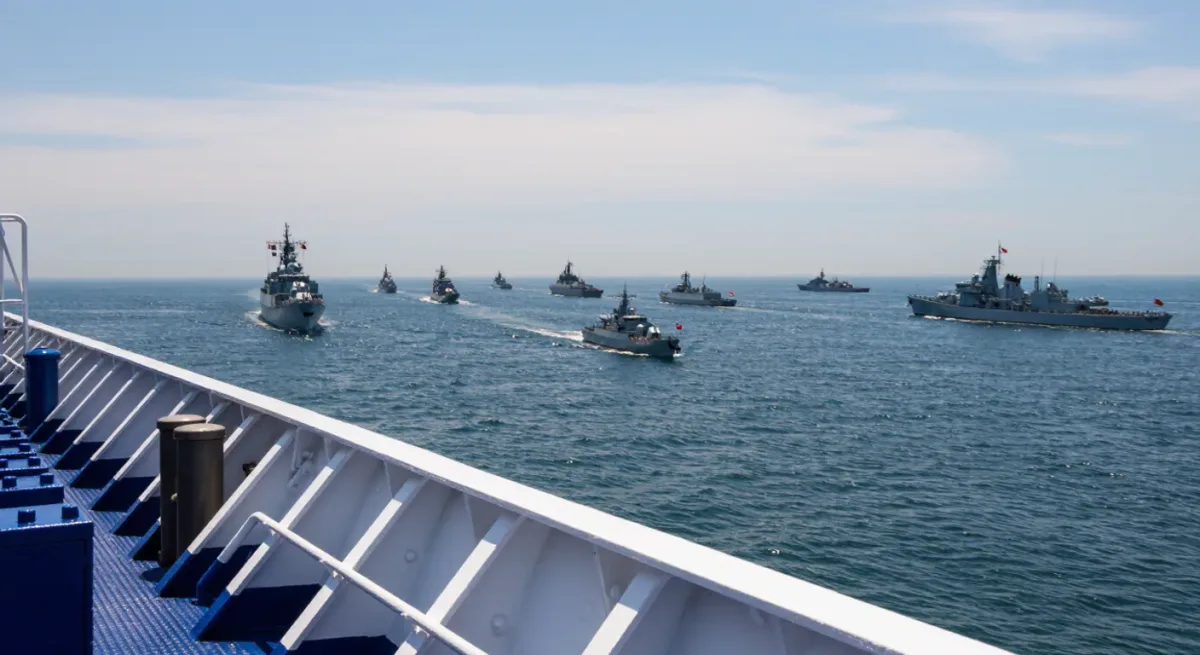
Partially, and the methods are blunt. State guarantees — the model by which governments backstop otherwise uninsurable risks, as the UK did for Ukrainian grain shipments under the Istanbul framework and as several governments did for aviation over conflict zones — can replace private capacity when the political will exists. Naval escort convoys reduce risk and therefore premia, but escorts cost more than the premia they suppress, so they are rationed. And regulatory pressure can keep rates from overshooting: the UK's 2020-2022 review of the London market's state-backed terrorism reinsurer Pool Re reflected exactly this politics. But the underlying arithmetic is stubborn: underwriters will not write below expected loss for long, and no government can insure the whole world's tonnage. When the market refuses, trade stops; the refusal is usually the first announcement of a war's economic meaning.
What does the premium forecast next?
Not peace, but adaptation. Each crisis in this market has ended the same way: a new corridor protocol, a new list revision, new exclusions negotiated in standard clauses, and premia grinding down as crews, owners and underwriters learn the actual rather than the imagined shape of the risk. The honest reading of any war-risk quote is therefore double: it tells you what the market fears this week, and how quickly everyone involved expects to stop fearing it.