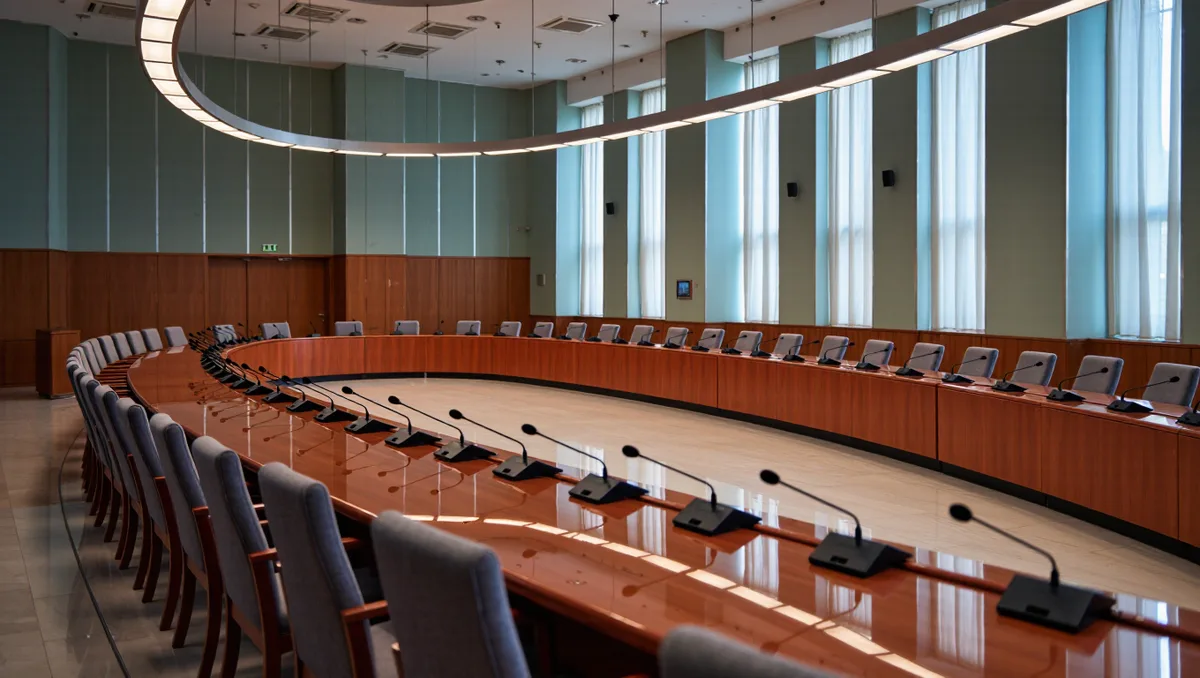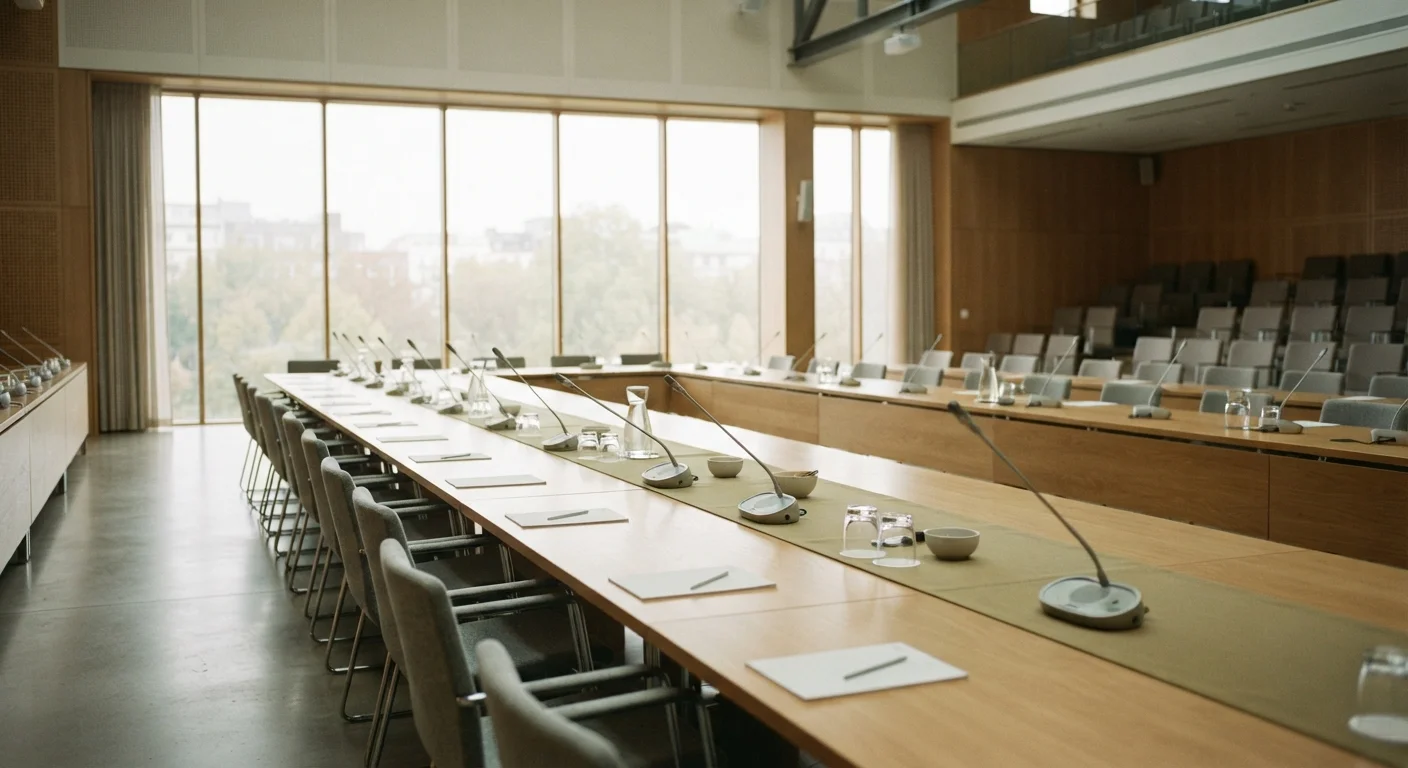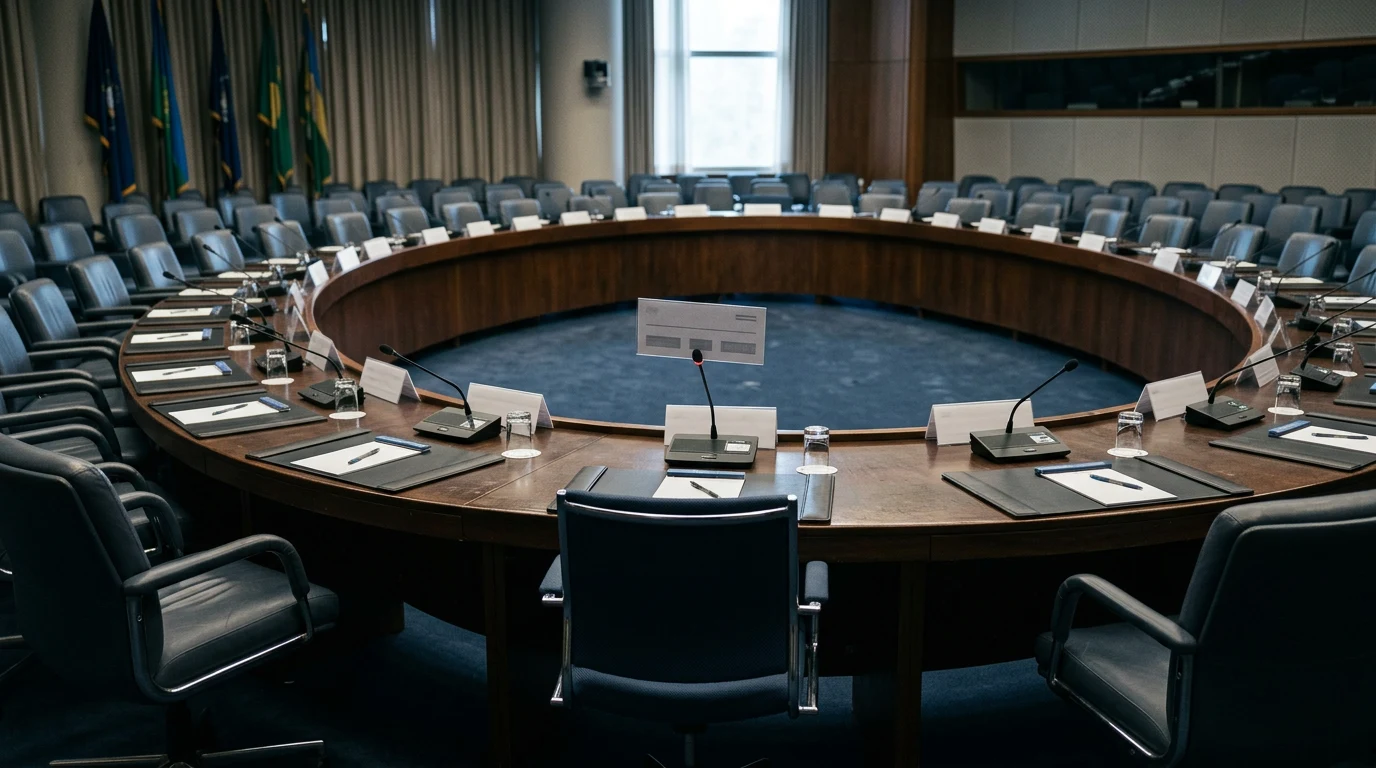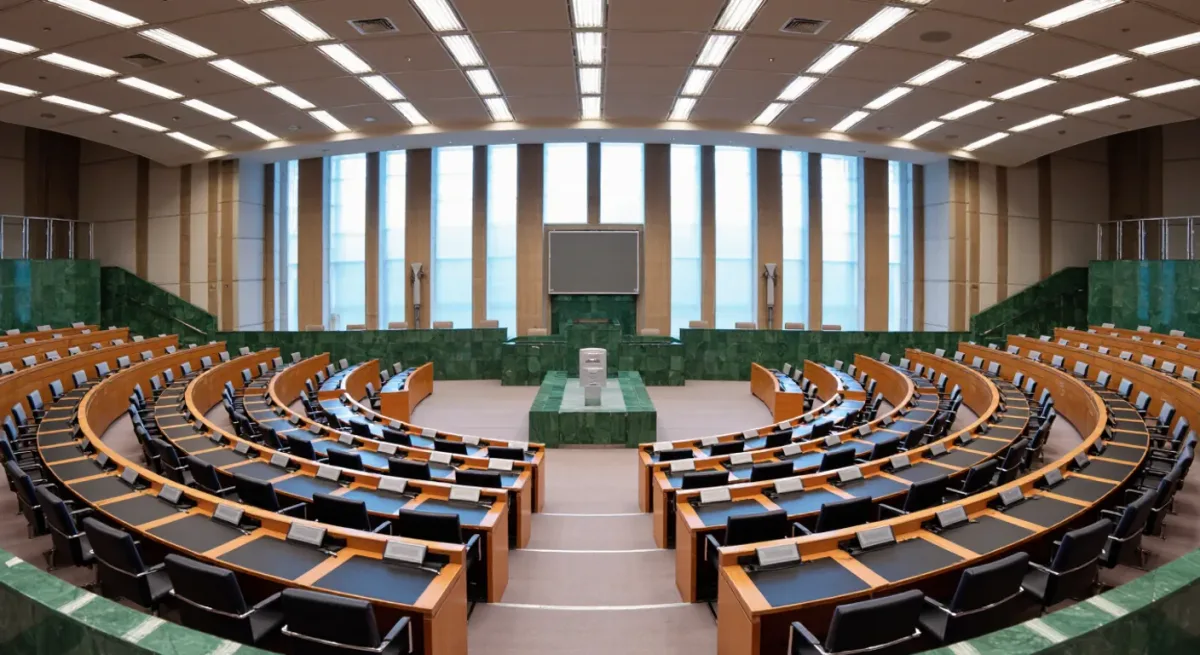
The president of the UN General Assembly is elected by the assembly's members for a single one-year term, on a rotating regional ticket, and holds a gavel with real if narrow power: setting the session's theme, organizing high-level debates, ruling on procedure and acting as the nearest thing the world's most representative body has to a public face. Dennis Francis of Trinidad and Tobago held the post for the 78th session; Philemon Yang of Cameroon took the gavel for the 79th in September 2024, following a custom — one president per session, no reelection — that has held since 1946. The office has no vote, no budget authority and no command. What it has is agenda, microphone and a year.
How is the president chosen, and why does geography decide so much?
Election follows the UN's regional-group system: the five groups — African, Asia-Pacific, Eastern European, Latin American and Caribbean, Western European and Others — take turns endorsing a consensus candidate whom the assembly then elects, in practice unanimously. The rotation explains the office's texture: small and middle powers supply most presidents, because each group's turn comes around for them far more often than great-power vetoes and candidacies would allow. The counterweight is that a president seen as the creature of their group's largest member loses the assembly's trust quickly; the job rewards scrupulous regional even-handedness, and the best-remembered presidents — Sweden's Jan Eliasson, who steered the 2005 world-summit reform package, among them — are those who spent the capital rather than hoarded it.
What does the president actually control?
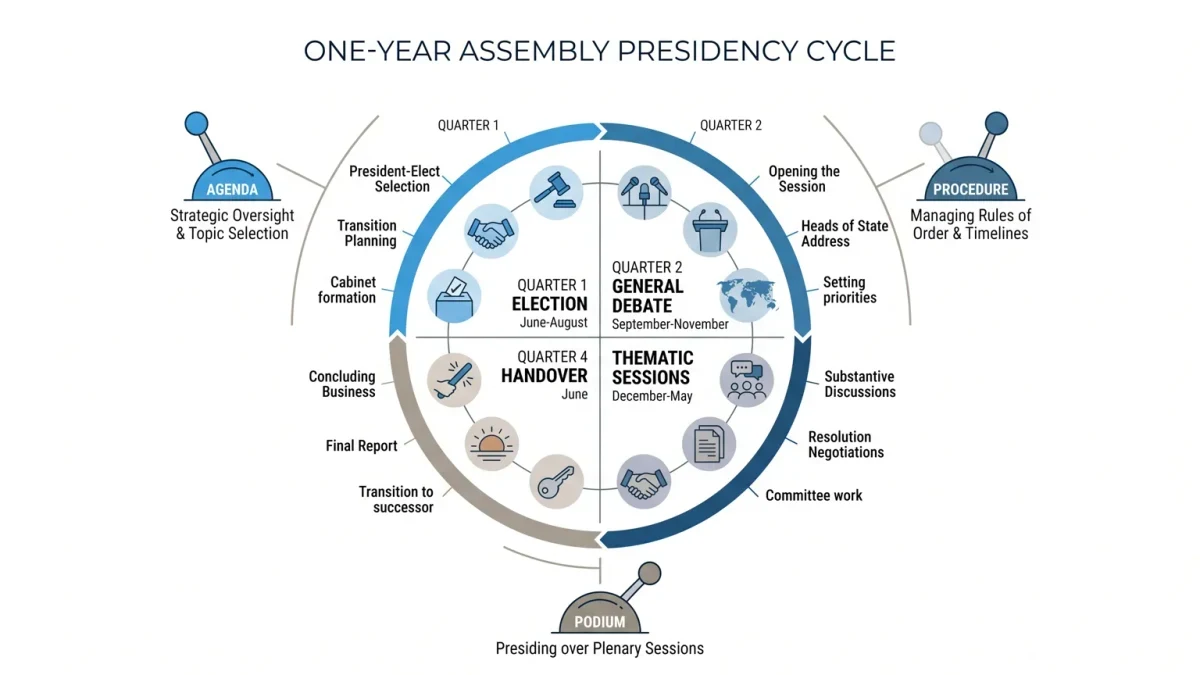
Three levers, each modest in isolation. First, agenda framing: the president selects the session's thematic focus and convenes high-level thematic debates, which sounds ceremonial until one lands — the timeline of summitry on pandemic preparedness, financing for development and the SDG reviews has been shaped by what presidents chose to convene and what they left quiet. Second, procedure: rulings on points of order, management of the general debate's 193-speaker marathon, and the delicate question of which side discussions harden into resolutions. Third, moral megaphone: a president can say things a secretary-general, hostage to Security Council politics, cannot — a function several recent incumbents have used deliberately on climate, debt and Security Council reform.
How does the president differ from the secretary-general?
The confusion is common and the distinction is clean. The secretary-general is the UN's chief administrative officer, appointed by the General Assembly on the Security Council's recommendation — the Council's five permanent members hold an effective veto over the choice — and runs the secretariat for renewable five-year terms. The assembly president is a member-state office: elected by the assembly alone, serving a year, returning to national diplomacy afterward. António Guterres's tenure, renewed for a second term in 2021 and running to the end of 2026, illustrates the difference: he manages peacekeeping budgets and good offices worldwide; the presidents who rotated through those same years managed the debate that judged his reports. When the assembly is furious and the Council is blocked, it is the president's podium the frustrated membership borrows.
Does the presidency matter when the Security Council decides the big questions?
More than the org chart suggests, less than reformers wish. The assembly's resolutions are non-binding on states, but the assembly controls the UN's budget approvals, admits and suspends members, and under the 1950 'Uniting for Peace' framework can take up matters the Council has blocked — a route used for the emergency special session on Ukraine that has convened repeatedly since February 2022, with the session's president managing each resumption. The presidency's real constraint is time: a year, mostly scheduled months in advance, inherited priorities, and a bureaucracy — the UN's Department for General Assembly and Conference Management — that serves the membership rather than the office. Presidents arrive with visions and leave with process. Occasionally the process is the vision: the pandemic-era and anniversaries-linked summit cycles that set development finance agendas for a decade began as presidents' convening decisions.
What does a good year look like from the gavel?
A good session is one the membership rarely has to think about: general debates that start on time, summit gavels that fall without procedural warfare, small innovations — digital roll-call voting, reformatted high-level weeks, youth and financing debates that produce follow-through — and a president who ends the year trusted by enough of the regional groups to hand over an institution slightly more functional than the one inherited. It is an unglamorous standard. It is also, in a body of 193 equal sovereigns, nearly the whole of what leadership can mean.