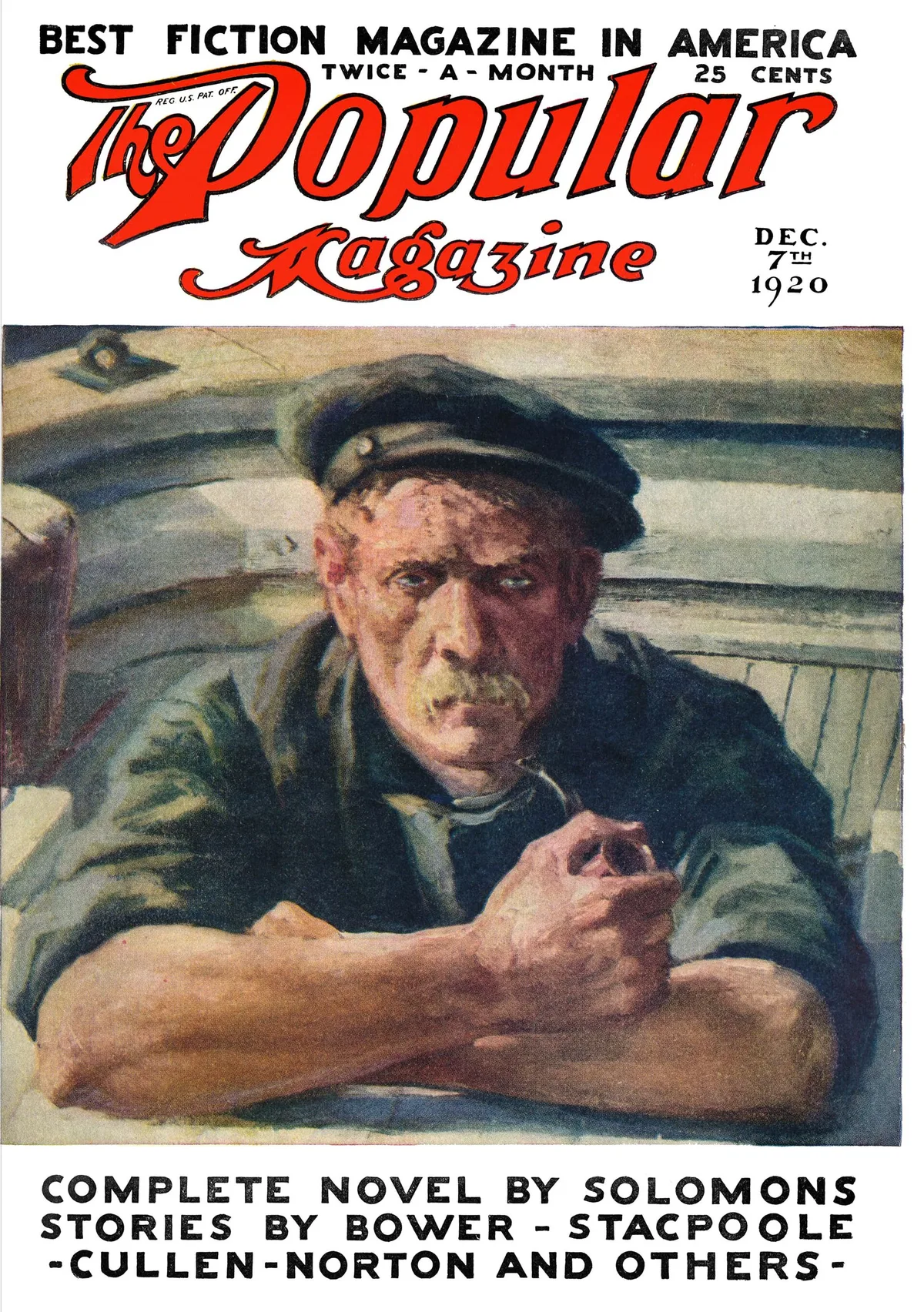
A great magazine cover profile is a piece of journalism that changes what a reader believes about a public figure. It does this not by revealing a secret, but by sitting with a person long enough — and asking sharp enough questions — that the public story and the private one finally meet on the page. The best of these profiles outlive the news cycle. They become the reference point that later coverage argues with.
The form rests on two pillars: access and craft. Access gets the writer into the room; craft turns hours of conversation into an argument. Neither is guaranteed, and the profiles that endure are the ones where both held. This piece looks at how the classic cover profile is built, why some interviews change a public story while others simply decorate it, and what the mechanics of a good interview — the same mechanics career coaches teach job candidates — reveal about the form. For readers who want the wider context, the publication's cover story archive and its culture section carry the kind of long-form treatment this article describes. This connects to our earlier piece, The Single Objection That Can Freeze a UN Sanctions Case.
What exactly is a cover profile, and how is it different from a news feature?
A cover profile is a long-form portrait of one person, built almost entirely from interviews and documented record, that carries the weight of the issue it anchors. A news feature explains an event. A profile explains a person — their decisions, their contradictions, their place in a larger story. The distinction matters because the two forms make different demands on evidence. A news feature can lean on documents and officials. A profile has to make one human being legible, which means the interview is not decoration. It is the evidence.
That is also why profiles age strangely. A hard news story from a decade ago reads as history. A great profile from the same decade can still feel current, because the questions it answered — what does this person want, what will they trade for it, who are they when no one is watching — do not expire. The profiles that shifted public understanding did so by answering those questions more honestly than the subject's own public relations did. Readers following this should also see Why Museums Fear the Restitution Precedent More Than the Objects.
Why does the interview itself decide so much?
Because the profile is only as good as what the subject gives up, and subjects give up more to interviewers who structure the conversation well. There is an instructive symmetry here: the advice given to people being interviewed applies, almost inverted, to the people doing the interviewing. The Muse, in its widely used guide to interview questions, tells candidates to skip the complete history and instead give a concise pitch — a present, past, future arc that shows why they fit. A profile writer reads that guidance from the other side of the table. The formula tells you what a rehearsed answer sounds like, which tells you where the unrehearsed material starts.
Skilled interviewers use that knowledge deliberately. They ask the questions every subject has prepared for — the career-summary question, the motivation question — precisely to hear the script. Then they probe the seams: the anecdote that changes in the retelling, the accomplishment claimed without detail, the period of the resume the subject speeds past. The classic profiles that shifted public understanding tend to live in those seams. The prepared answers establish the public story. The friction around them establishes the real one.
How do interviewers actually get past the script?
Preparation now runs both directions, and that has changed the craft. Subjects rehearse with tools that simulate the encounter. Services such as interview.co's AI mock interview let a candidate pick a role, run a video-based session and get scored feedback before the real thing. A public figure facing a major profile can prepare the same way a job candidate does — anticipated questions, polished arcs, rehearsed vulnerability.
The interviewer's counters are correspondingly unglamorous, and they are mostly process rather than brilliance:
- Time. Long sessions, repeated over days, wear down the rehearsal. A subject can perform for an hour; almost no one performs for twelve.
- Setting. Conversation in the car, at the kitchen table, between commitments — the margins of the official sit-down produce the material that ends up in the lede.
- Records. Documents, emails, prior statements. When a subject's account drifts from the record, the gap itself becomes the story — attributed, checked, and put to the subject for response.
- Corroboration. Friends, rivals, former colleagues. A profile built on one voice is a transcript. A profile built on many voices is an argument.
None of this is secret. It is simply laborious, which is why the profiles that changed a public story are usually the ones where the writer spent months rather than days.
What makes some profiles change the public story while others fade?
The profiles that endure share a structural choice: they are arguments, not summaries. A summary tells you what the subject has done. An argument tells you what the subject means — and it stakes a claim the reader can disagree with. The profiles remembered as turning points did one of three things. They contradicted the subject's self-presentation with evidence. They reframed a familiar figure by changing the frame — the artist reconsidered as an operator, the statesman reconsidered as a gambler. Or they surfaced a contradiction so plainly documented that the public narrative had to adjust around it.
Our analysis of the form suggests the third path is the most durable. Contradiction is harder to dismiss than color, and it survives rebuttal. A vivid scene fades; a documented gap between what a person said and what the record shows does not. This is also where the ethics of the form live. The same gap, handled carelessly, becomes an allegation. Handled properly — quoted precisely, put to the subject, corroborated independently — it becomes the sentence the subject's biography will have to answer for. The line between the two is process, and the best profile writers are process obsessives.
There is a quieter reason some profiles fade: the subject cooperated too completely. A profile assembled from a subject's own framing, however well written, is a collaboration. Readers sense it. The profiles that shifted understanding usually involved friction — walkouts, refused questions, public rebuttals after publication. Friction is not the goal, but its absence is often a warning sign that the piece will read as authorized.
What should readers take from this?
Read cover profiles the way the writer built them: backwards. Ask what the central claim about this person is, then ask what evidence carries it — an interview quote, a document, a second source. Notice where the piece relies on the subject's own account and where it does not. Notice, too, what the interview questions were doing: the scripted questions map the public story, and the off-script ones map the argument. A reader who does this consistently stops being managed by profiles and starts being informed by them.
The form itself is under pressure — shorter attention, faster cycles, subjects who bypass magazines entirely by publishing their own narratives. But the underlying mechanic has not changed, and it is the same one career counselors teach in a different context: a structured conversation, honestly recorded, remains the fastest way to find out what someone is actually like. The profiles that changed the story were, in the end, just interviews done unusually well, over unusually long hours, by writers willing to let the evidence lead them somewhere the subject did not intend to go.
The prepared answer tells you the public story. The pause after it tells you the profile.