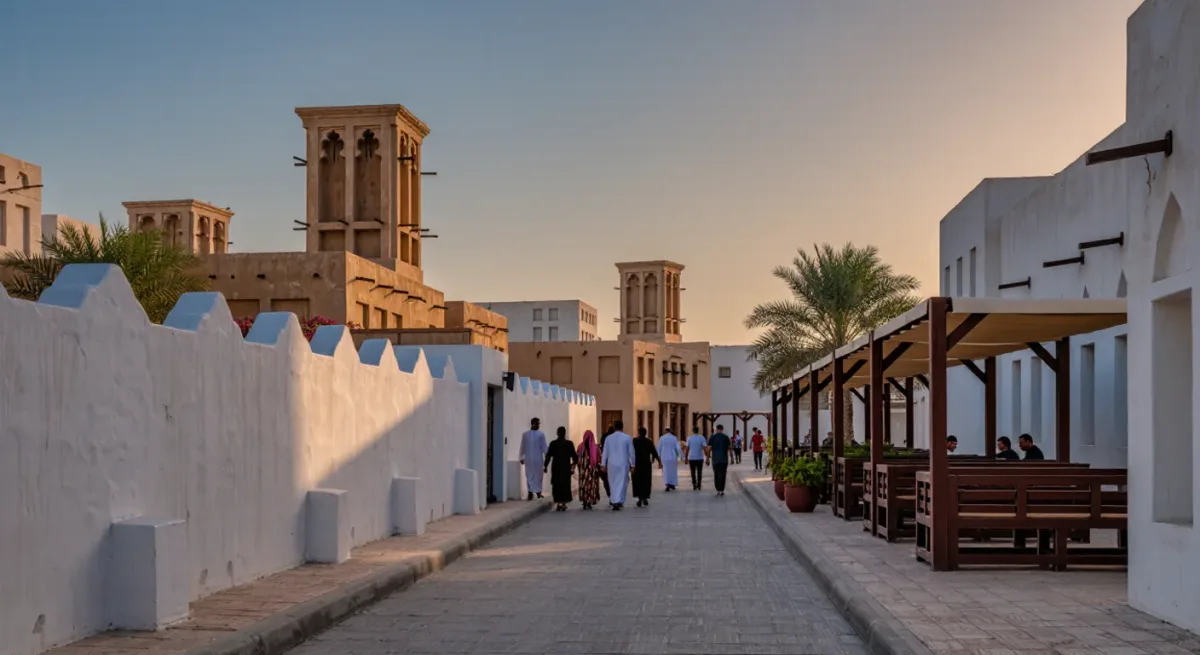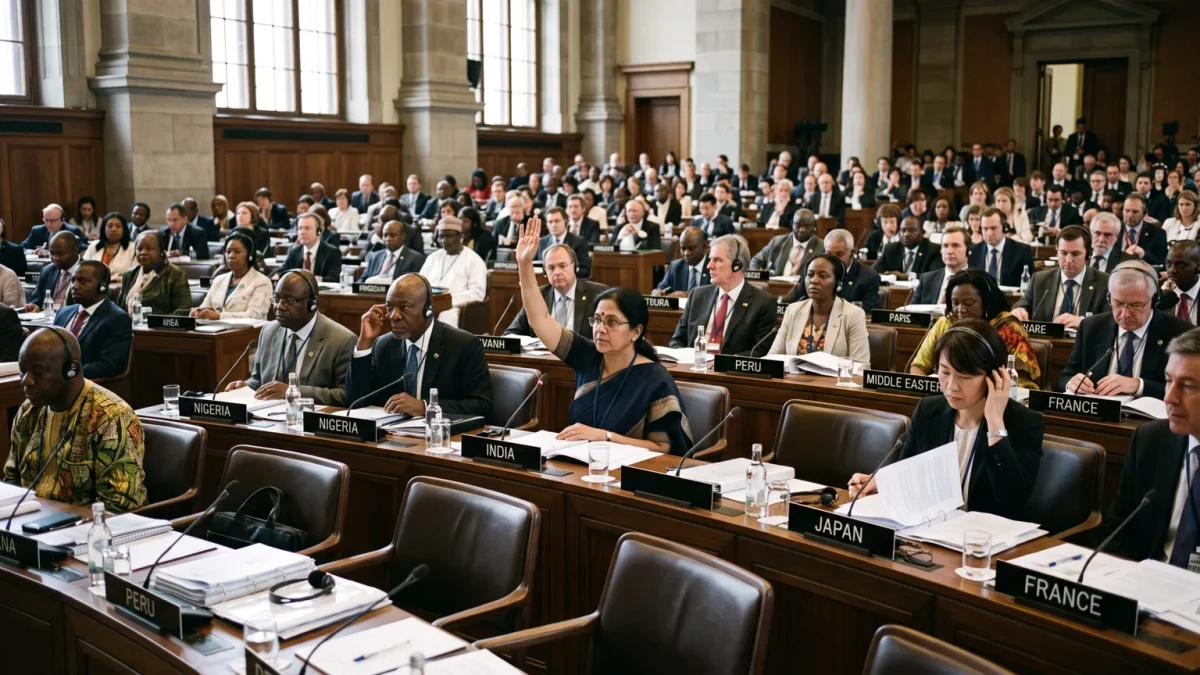
A site becomes UNESCO World Heritage when a 21-member intergovernmental committee inscribes it on the List, a decision that rests less on the merits of a single monument than on a multi-year process of national inventories, expert evaluations and, at the margin, diplomatic bargaining. The criterion is straightforward on paper: Outstanding Universal Value. The pathway to it is anything but. The 1972 World Heritage Convention, now ratified by 195 states parties, has produced a List of more than 1,200 sites, and every one of them arrived the same way — through a committee that meets once a year, in public sessions whose outcomes are often settled long before the gavel falls.
What must a country do before it can even nominate a site?
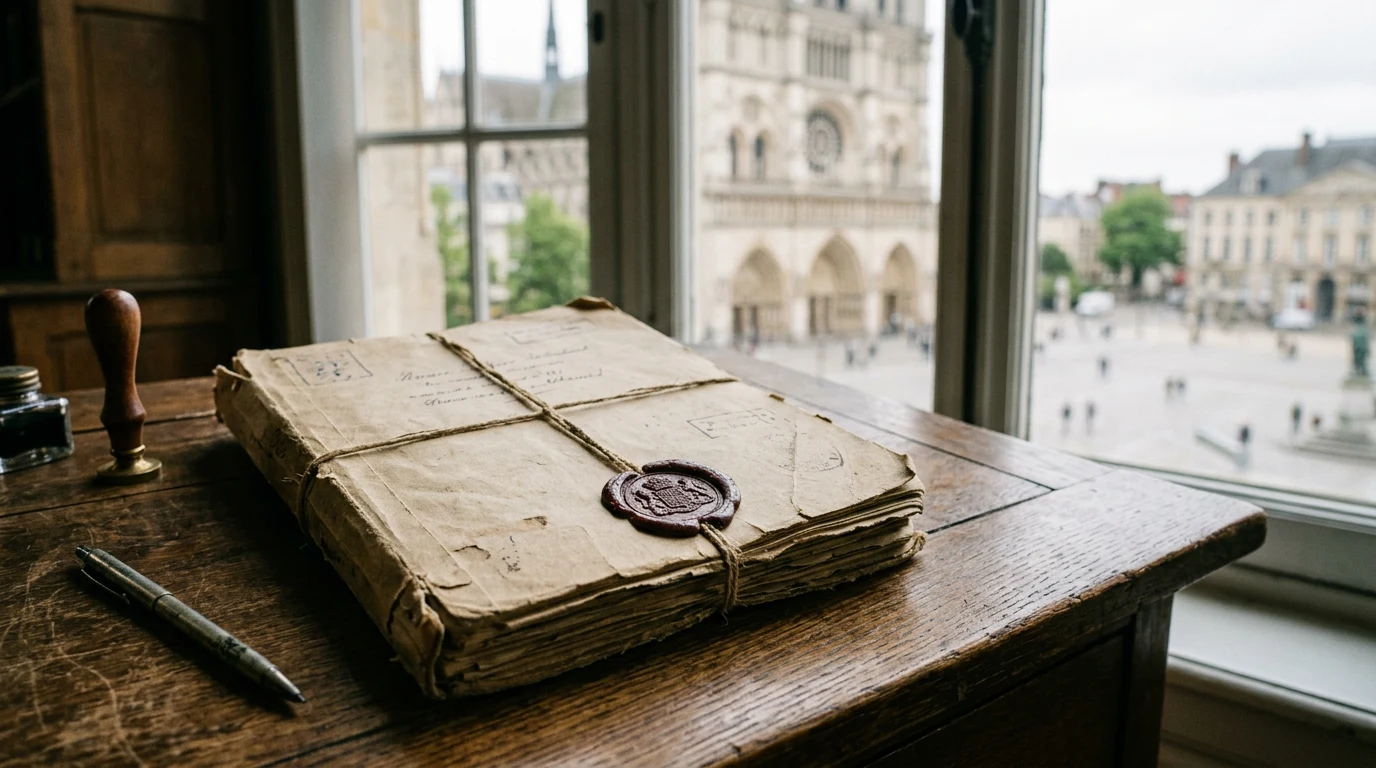
The first gate is domestic. A state must prepare a tentative list of candidate sites and submit it to the World Heritage Centre in Paris; a nomination can only be drawn from that inventory, and new nominations are capped at one per country per year, with an overall ceiling of 45 nominations examined annually. Preparing a single nomination file routinely takes years and costs hundreds of thousands of dollars in documentation, mapping and comparative analysis, which is why small developing states nominate far less often than France or China — an asymmetry the committee has tried to soften with capacity-building programs and pre-nomination advice from the advisory bodies.
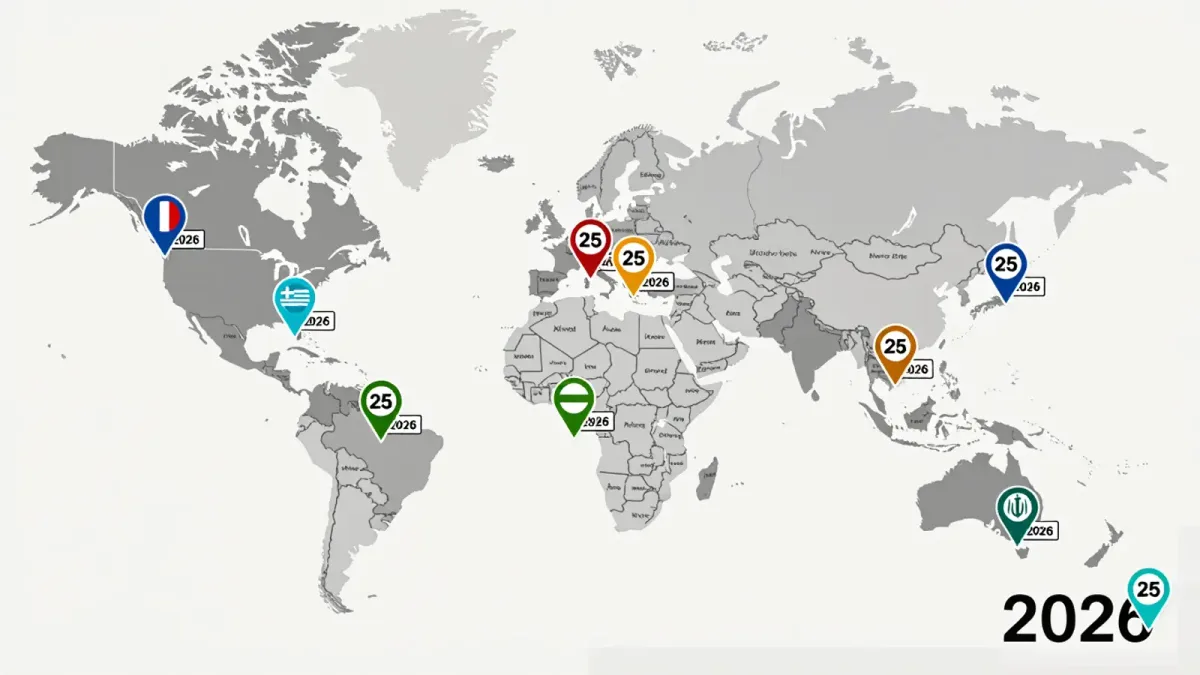
Once a file is submitted by the February deadline, it travels to the advisory bodies. ICOMOS, the international council on monuments and sites, evaluates cultural nominations; the International Union for Conservation of Nature evaluates natural ones. Their experts visit the site, check boundaries, management plans and threats, and issue a recommendation to inscribe, refer or not inscribe. Per UNESCO's own published statistics, the List held 1,223 sites as of late 2024, distributed across 168 countries — a number that keeps climbing because inscription has become one of the most reliable brand signals in global tourism.
Who actually votes, and how do members get on the committee?
The World Heritage Committee is elected by the General Assembly of the states parties for staggered four-year terms — formally six years, but voluntary pledge rules adopted in 2014 push most members off after four, and many leave after two to widen the circle of countries holding a vote. Members range from preservation-minded small states to great powers that treat a seat as an instrument of cultural prestige. The result is a body with a strong incentive to trade: votes for inscriptions are reciprocated, referrals are softened, and the annual session's most contested decisions — Jerusalem, Hebron, maritime sites with contested waters — arrive with geopolitical freight that no management plan can carry.
Under the convention's rules, a two-thirds majority of members present can overturn an advisory-body recommendation, and it happens regularly. Analysts of the committee's voting records have documented a rising share of inscriptions approved against expert advice, a pattern critics describe as the List's credibility problem and defenders describe as the political legitimacy of an intergovernmental body doing precisely what it was designed to do: let states decide, together, what the world is obliged to remember.
What does inscription change on the ground?
Listing confers no legal sovereignty and no automatic funding. What it provides is a monitoring regime and a spotlight. States must report periodically on conservation conditions, and the committee can place a site on the List of World Heritage in Danger — a step taken fewer than 60 times in the convention's history — or, in the gravest cases, delete a site outright. Deletion has happened only twice for cultural sites: Dresden's Elbe Valley, struck in 2009 after a bridge was built across it against the committee's objections, and Liverpool's Maritime Mercantile City, struck in 2021 after dockside development. Those two cases are the convention's sharpest teeth, and the reason they bite is reputational rather than judicial: a delisting makes headlines from Berlin to Shanghai.
The tourism effect is real but uneven. Studies of visitor arrivals after inscription show measurable bumps for sites outside established tourist circuits and little change for places travelers already knew. The danger is the inverse — over-tourism that the management plan underweighted — which is why recent nomination files devote growing sections to visitor caps, carrying capacity and revenue sharing with local communities.
Why has the List been criticized as Eurocentric, and what has changed?
Europe and North America hold roughly half of all inscriptions, a gap that reflects both the region's density of monumental stone architecture — the categories the 1972 criteria were written around — and the financial capacity to prepare nominations. The states parties have responded structurally: the Global Strategy of 1994 broadened the definition of heritage toward living landscapes, industrial sites and cultural routes, and nomination caps plus priority for under-represented states have slowly rebalanced the intake. African sites, barely three per cent of the List in the 1990s, now grow faster than the global average, though the absolute gap remains wide.
Does the label protect anything in a war?
The convention binds states parties to refrain from deliberate damage to heritage, and the 1954 Hague Convention on cultural property adds a criminal dimension — deliberate destruction of protected heritage has been prosecuted by international tribunals, most notably in the ICTY's conviction over the destruction of the Old Bridge of Mostar and, later, the ICC's 2016 conviction of Ahmad al-Faqi al-Mahdi for attacking mausoleums in Timbuktu, the court's first standalone cultural-heritage crime. A UNESCO badge stops no artillery. What it does is create documentation, witness and a legal hook that prosecutors and insurers can later use, which is more than most monuments would otherwise have.
The committee will keep meeting, and the List will keep growing, because the demand is structural: every state wants its landscape validated by the widest possible audience, and every session produces new evidence that the world's memory is curated by committee — brilliant, maddening and thoroughly human.