Benin Bronzes restitution has stalled not because museums deny the facts of 1897 but because ownership, once transferred, lands in a tangle of Nigerian institutions, export laws and museum statutes that were never designed to receive looted property quickly. Germany made the most consequential move: in 2022 it signed a joint declaration with Nigeria transferring ownership of more than 1,100 objects held in German museums, and physical returns began that December with 20 bronzes handed over in Abuja. Per Nigeria's own National Commission for Museums and Monuments, more than 3,000 objects looted from the Kingdom of Benin in the British punitive expedition of 1897 are scattered across Western collections, roughly a third of them in the British Museum, which is legally barred from deaccessioning most of them.
What actually happened in 1897, and why does it define the debate?
In February 1897 a British punitive expedition captured Benin City, deposed the oba and carried off the royal brasses, ivories and regalia now collectively called the Benin Bronzes. The objects were auctioned to defray the expedition's costs and dispersed to museums in London, Berlin, Hamburg, Cambridge, Oxford and beyond. No one disputes this sequence; the disputing starts at the word 'restitution'. Campaigners frame the bronzes as plunder taken in an act of colonial violence. Many holding museums concede the moral point but answer to statutes — the British Museum Act 1963, which permits disposal only in narrow cases — or to trustees bound by anti-deaccession policies.
Why did Germany move first, and what did its deal actually deliver?
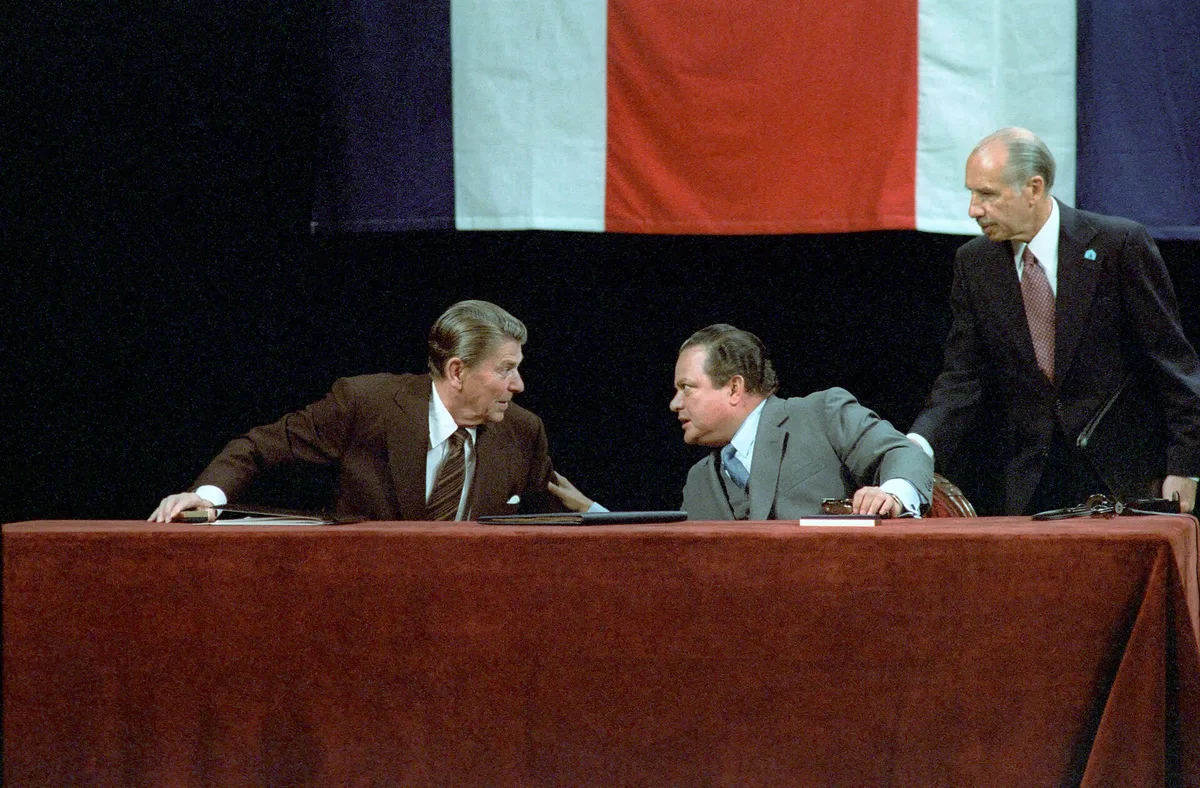
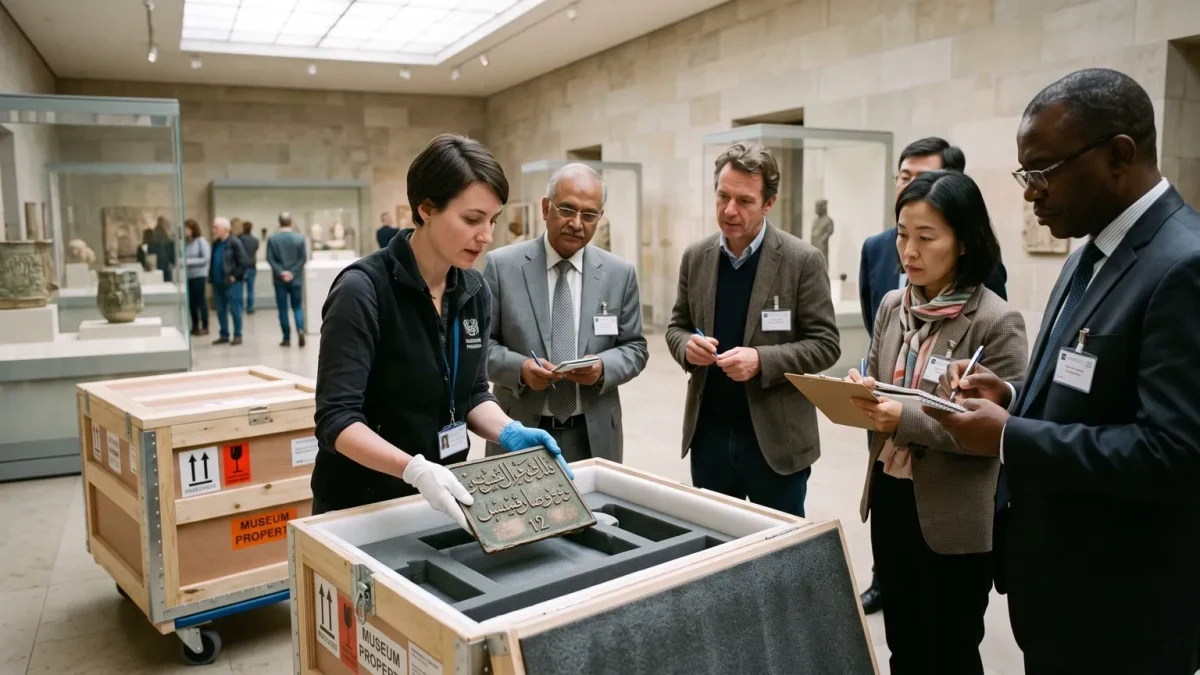
Germany's coalition government had political cover that a national museum with a parliamentary charter does not: the 2022 declaration was an executive-level agreement between the foreign and culture ministries and Nigeria's information ministry, transferring title to 1,130 objects while agreeing that many would remain in Germany on loan. The first 20 physically returned in December 2022; by 2024 several German states had delivered further consignments. Critics in both countries noted the symmetry: Nigeria received sovereign ownership, German museums retained display rights — a structure one Nigerian negotiator praised and some commentators called restitution with a lease attached. Defenders of the loan framework answer plainly: the objects are now Nigerian property, and a owner may lend as it pleases.
Who in Nigeria receives the bronzes — and why does that question matter abroad?
The distribution of claimants is the least advertised and most consequential obstacle. The federal NCMM, the Edo State government, and the royal court of the Oba of Benin all assert interests, and Nigeria's 2023 presidential declaration recognized the Oba as owner of returned bronzes, complicating the museum-led framework the Germans had negotiated with. Germany took a further step in 2024, ceding to Nigerian pressure by signing a supplementary agreement that acknowledged the Oba's ownership claim. Meanwhile the planned Edo Museum of West African Art in Benin City, designed with British Museum participation, has moved slowly from concept to construction, leaving returned objects largely in federal custody in Abuja and Lagos. Western museums watching this sequence ask an uncomfortable question: returns to whom, housed where, under whose custody — and the honest answer keeps changing.
What about the British Museum and the legal wall around it?
The British Museum holds the single largest collection, and its trustees say their hands are tied by the 1963 Act, which allows disposal of objects only in limited circumstances such as duplication or damage. The strongest counterargument comes from the museum's own former leadership, which has repeatedly called for Parliament to change the law; the strongest rebuttal comes from Parliament, which has declined to do so, wary of the precedent for the Parthenon Marbles and every other contested gallery. A partial workaround emerged in 2024 when the British Museum and Greece acknowledged long-running talks over the marbles — a sign that even legally frozen institutions are searching for loan-based formulas that transfer possession without transferring title.
Is there a workable model beyond all-or-nothing returns?
Three structures dominate the emerging middle ground. The German model transfers title and lends back. The Smithsonian model, used in its 2022 return of 29 bronzes, embeds ethical-title review into its collections policy, allowing returns without national legislation. And the digital-replication-plus-rotation model, floated by several European museums, keeps originals circulating between Nigeria and Europe on fixed schedules. Each solves a different problem, and none solves all of them: title, custody, display and law pull in different directions, and every new return re-weights the bargaining position of the claimants who came next.
The bronzes will keep moving — a delegation here, a consignment there, a supplementary agreement smoothing the last one over. What the 1897 objects have already changed is the default: the question museums ask is no longer whether the looted past can be returned, but how fast the paperwork can follow the principle.