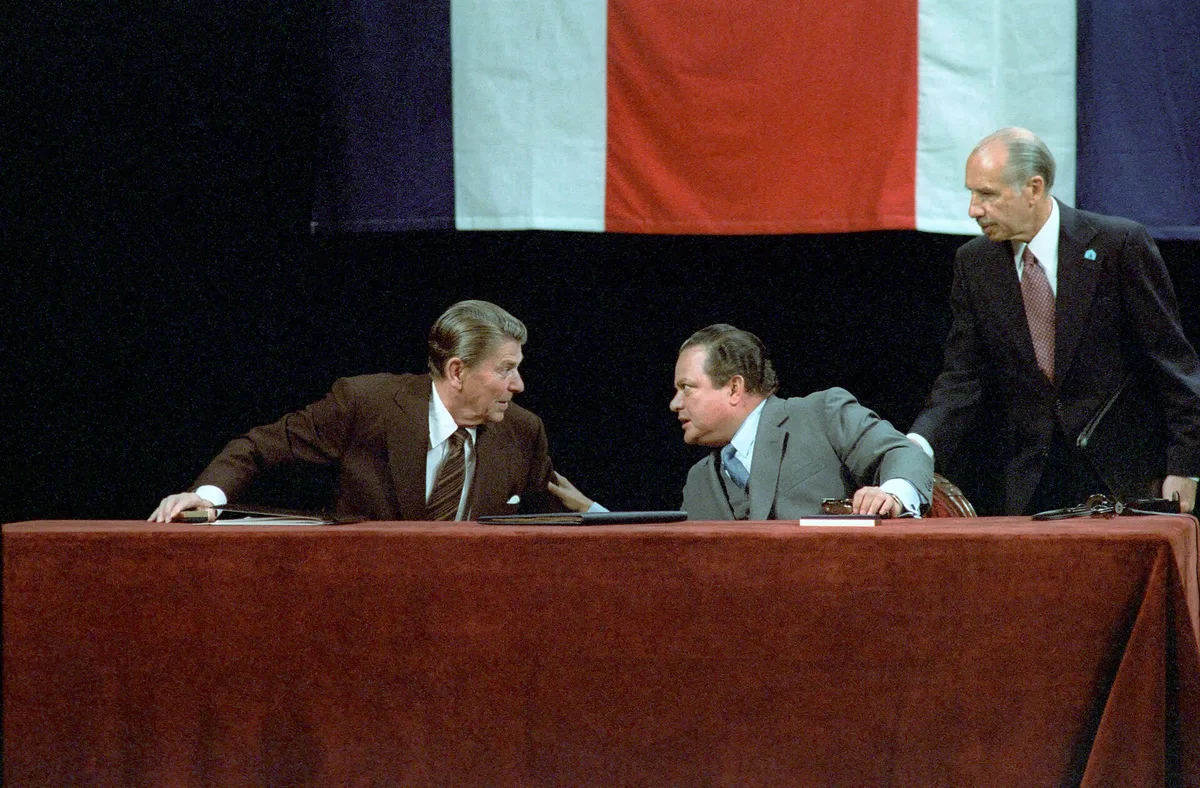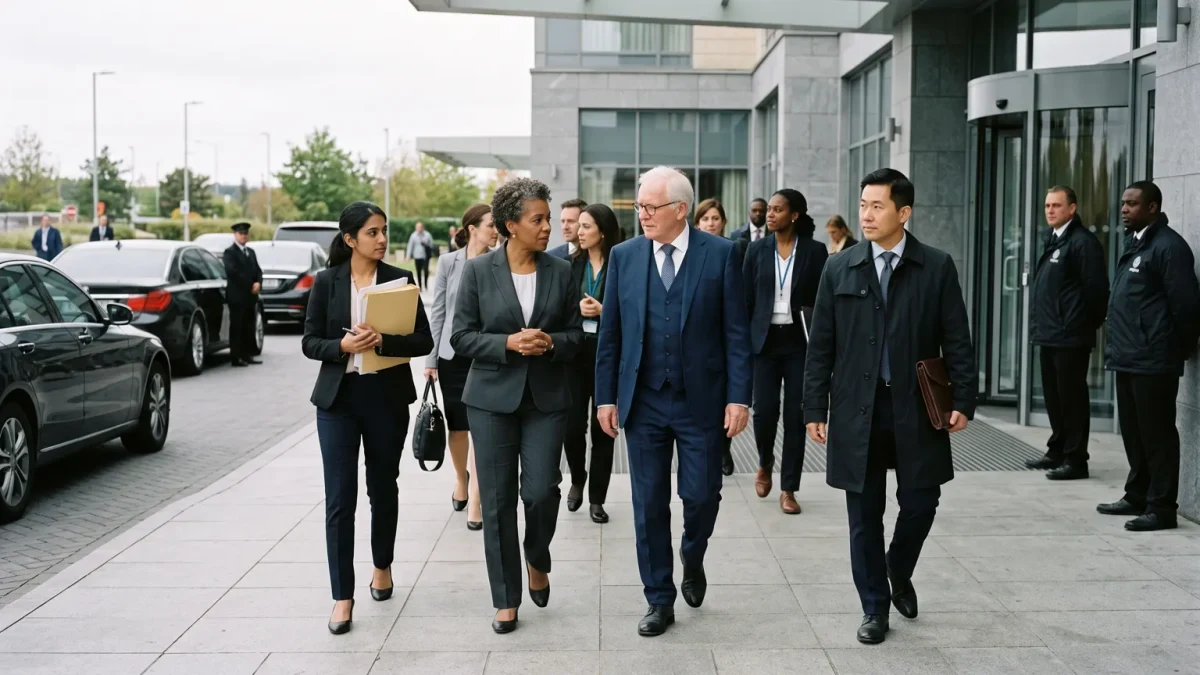
Small states host the conversations great powers cannot because they offer the one thing a superpower's capital never can: a stage with no starring role. Singapore has become the default venue for adversary diplomacy in Asia — the 2018 Trump-Kim summit, repeated US-China dialogue rounds, and defense forums like the Shangri-La Dialogue, an annual fixture since 2002; Switzerland's Geneva hosted the 2021 Biden-Putin summit and centuries of predecessors, from the 1954 Indochina conference onward; and in 2024-2025 even Cyprus, Oman, Qatar and the UAE functioned as the venues and mediators for hostage negotiations, sanctions channels and grain deals. The niche is not sentimental. It is an industry, and its economics reward exactly the attributes small states can cultivate and large ones cannot.
What does a mediation venue actually sell?
Four assets, each purchasable only with decades of discipline. Perceived neutrality — no regional or bloc agenda of its own to advance, which is why Austria, Ireland, Qatar, Oman and Switzerland appear repeatedly on UN mediator rosters and why Turkey could broker the 2022 grain corridor and the 2024 prisoner exchange without anyone mistaking it for neutral: it sold leverage and channels instead, and honesty about the product is part of the product. Discretion — venues where leaks are career-ending and hotel staff have seen enough motorcades to be unimpressed. Logistics — security, airspace, hospital capacity and hotel stock at summit grade, a genuine barrier that disqualifies romantic venues. And continuity — standing institutions like Singapore's S. Rajaratnam School, Geneva's Graduate Institute and Doha's mediation centers that turn individual successes into a repeatable practice, staffed by people who remember every previous round because they staffed it.
Why can't the great powers host each other?
Protocol and politics, each insurmountable. A bilateral summit in Washington concedes the asymmetric host-guest frame Beijing avoids; a meeting in either capital hands the other side domestic optics of submission. Neutral ground dissolves the protocol problem — neither leader arrives on the other's soil — and dissolves the security-intelligence problem too: adversary delegations will not bring their president to a place where the host's services control the hotels and phones. There is also the quieter advantage: small hosts can enforce a choreography that flatters both sides equally, the airport handshake on equal tarmac, which is worth more to a negotiation than communique language.
What do the hosts get out of it?
Returns in three currencies. Relevance insurance: for a city-state or Alpine republic, being indispensable to great-power dialogue is the cheapest security policy available — attacking the world's meeting room carries costs no attacker wants to price. Information and networks: hosting every round builds relationships with every delegation, a diplomatic capital that outlasts the specific files. And economic spillover: summit diplomacy is the loss-leader for a broader positioning business — Geneva's international organizations employ tens of thousands and anchor Switzerland's humanitarian-and-trade identity; Singapore's dialogue industry reinforces its claim to be the neutral operating system of Asian commerce; Doha and Abu Dhabi have converted mediation standing into broader strategic partnerships, including major-power basing and investment ties that would otherwise carry heavier sovereignty costs. The academic literature on small-state diplomacy calls this niche diplomacy — influence through specialization — and the mediation venue is its most profitable branch.
Is the niche expanding or being competed away?
Expanding, with rising entry requirements. The 2020s' fragmented diplomacy — sanctions walls, frozen embassy channels, hotlines cut — raised demand precisely because formal channels atrophied: every rupture needs a switchboard, and the switchboards that answer are accumulating files. New entrants qualify by demonstrating one completed transaction: Saudi Arabia's Iran-brokered 2023 restoration of ties with Iran leveraged its Beijing-hosted round into a mediation brand; the UAE markets itself as a venue for India-Pakistan and Horn of Africa contacts. The constraint is neutrality-inflation — the more a host takes sides elsewhere, the more its venue discount erodes, a tension Gulf mediators manage visibly. Meanwhile the established players professionalize: Qatar's mediation academy, Switzerland's good-offices division, Singapore's track-two architecture.
Does venue choice ever change outcomes?
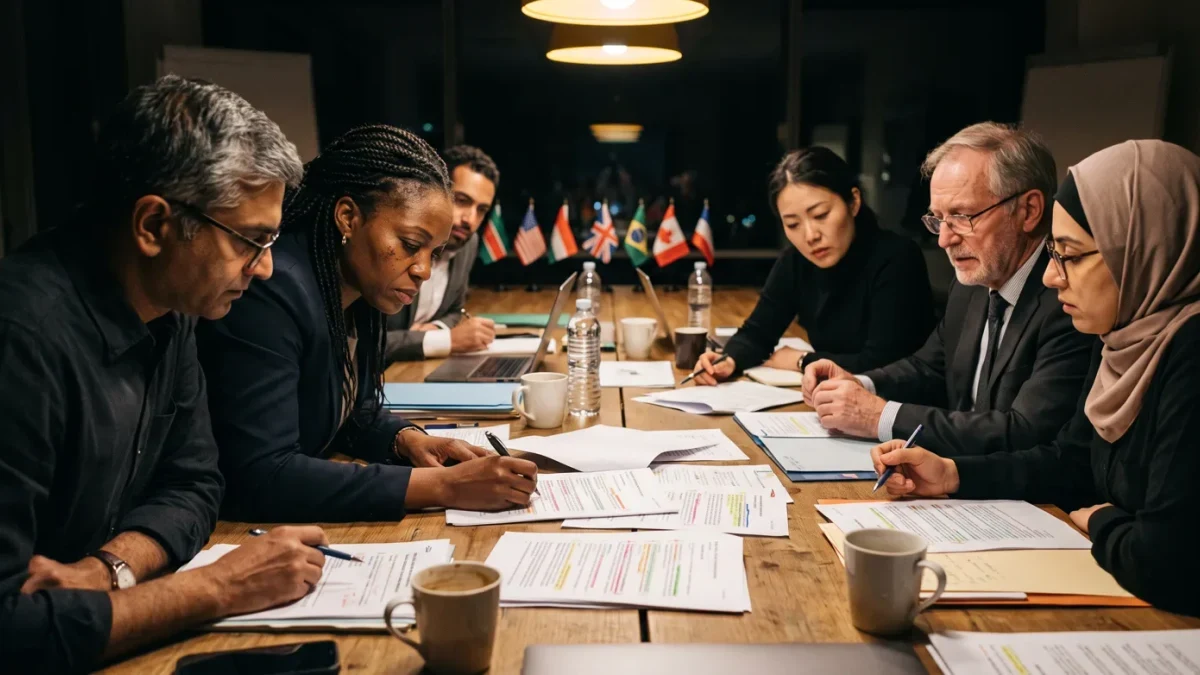
At the margin, more than communiqués admit. Hosts control sequencing, informal side-rooms and the social tempo in which trust is rebuilt — the 2018 Singapore summit produced photographs and nothing binding, which was exactly the deliverable its moment allowed; the grain-corridor talks in Istanbul produced a signed instrument because Turkey and the UN could coerce the meeting rhythm that pure adversaries could not have sustained alone. The venue is never the variable negotiators name afterward. It is the variable they choose first, which is its own testimony: when the talk matters, everyone checks where it can safely happen, and the answer, decade after decade, is a small room in a small state that made itself indispensable on purpose.