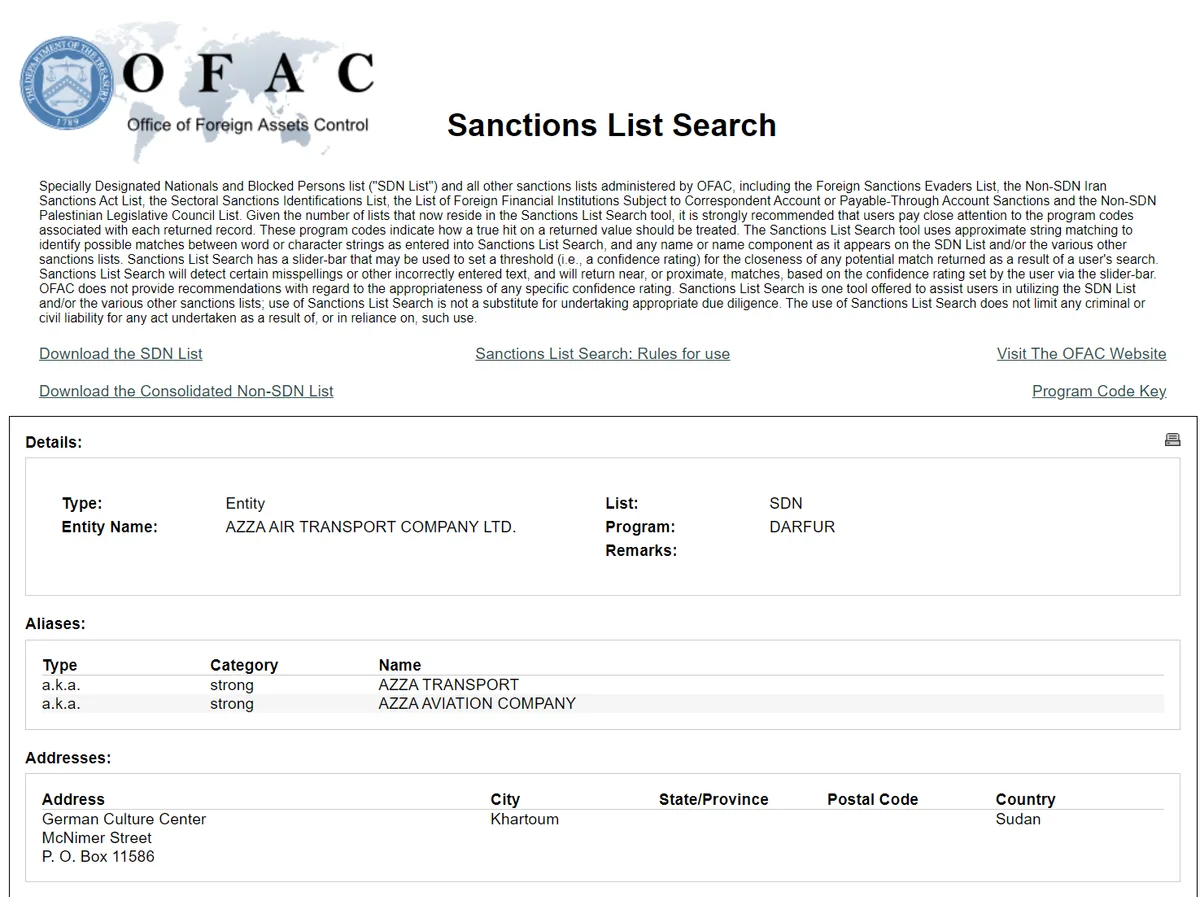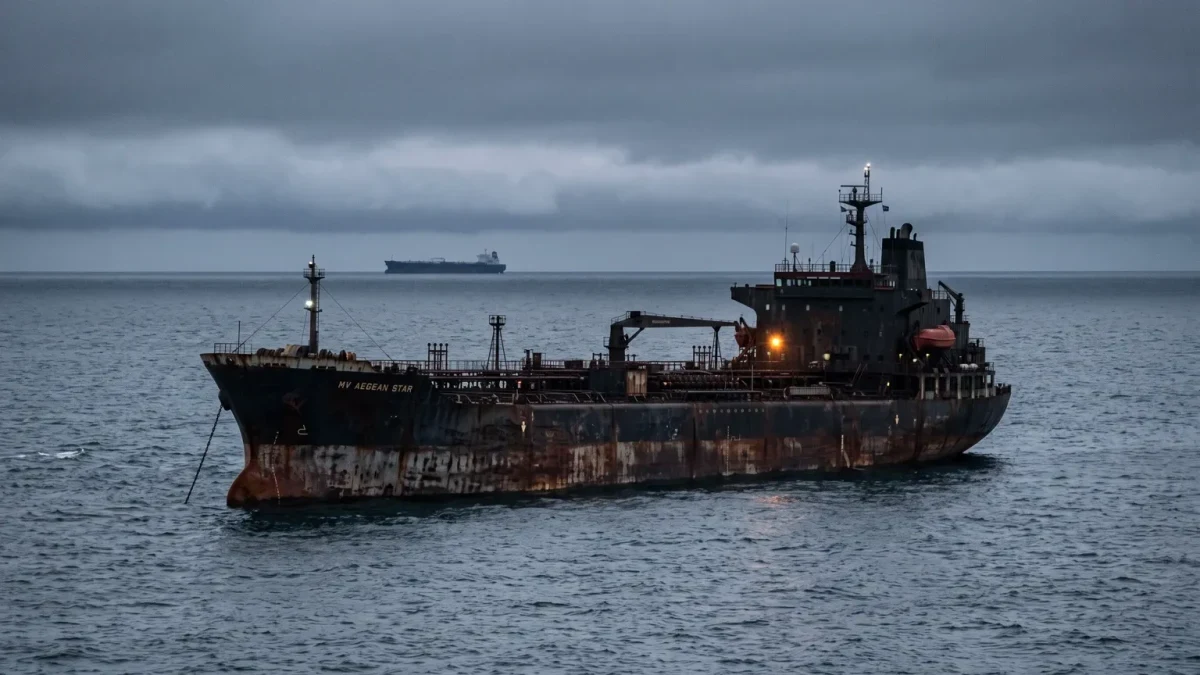
The shadow fleet — the loose constellation of aging, anonymously owned tankers moving sanctioned Russian, Iranian and Venezuelan crude — operates through a repeatable playbook: buy old ships through shell layers, register them with flags that sell registry access without oversight, turn off or spoof the AIS transponder near loadings, conduct ship-to-ship transfers in permissive waters, and deliver to refiners who price the discount into their margins. The scale is now measured by institutions: tracker-analyst estimates published through Reuters and Bloomberg put the sanctions-evading tanker fleet at several hundred vessels moving on the order of 1.5-2 million barrels a day of Russian crude alone, with the OECD's International Energy Agency and price-cap coalition reports documenting both the flows and the fleet's growth since 2022. The fleet is the physical infrastructure of sanctions resistance, and its economics reward age: a twenty-year-old tanker, near scrap value, is a disposable tool for a cargo worth a hundred million dollars.
How does a ship disappear?
In layers, each individually legal-looking. Ownership sits in single-ship companies domiciled in secrecy jurisdictions, with management stacked across second flags. The registry — Eritrea, Gabon, the Comoros, Cook Islands at various moments, or the flag-hopping that follows delistings — provides the legal nationality that insurance, classing and port entry require, without the oversight a serious flag-state administers. AIS goes dark at the moments that matter: transmission is a safety obligation with weak enforcement, and the 2020s' tracker analytics — Windward, Kpler, KSE Institute's tanker-tracking work on the Russian fleet — documented the tell-tale gap patterns that mark covert loadings. Then verification breaks: classification societies withdraw, insurers of last resort appear in non-coalition jurisdictions, and the vessel enters the gray tier where the flag does not check, the insurer does not pay, and the port authority does not ask.
What is the oil price cap doing to all this?
The G7's December 2022 price cap — allowing Western shipping and insurance services for Russian crude only at or below a set price — was designed to keep oil flowing while draining Moscow's margin, and its record is a study in adaptation. Through 2023 the cap largely held, with coalition-service tankers carrying discounted barrels; as Russian export infrastructure and the shadow fleet scaled, Moscow shifted the majority of exports to non-coalition services, and enforcement tightened in response — the US Treasury's 2023-2025 designations hitting individual shadow tankers and their operators by the hundreds, the UK and EU listing vessels, and the January 2025 US measures against Gazprom Neft and Surgutneftegasprompting a further crackdown wave. Each designation removes named ships from coalition ports, insurance and services; each wave also confirms the countermeasure's ceiling, as the fleet re-flags and the trade re-prices. The honest ledger: capped trade continues, shadow trade continues, and the cap's revenue effect is real but contested in magnitude.
Who pays when it goes wrong?
Coastlines, mostly, and uninsured counterparties. The shadow fleet's aging tonnage and covert operations produce accidents — the 2024 incidents in the Danish straits and the Baltic, including the stabilizer-and-anchor episodes that Nordic governments treated as possible sabotage, and tanker emergencies from the Gulf to Southeast Asia — where a genuine spill would meet insurance that may not exist. The 1980s' precedent is the standing warning: when the Exxon Valdez era's single-hull fleet met rocks, the insurance regime was rebuilt; a shadow-fleet spill in the Baltic or the Danish straits would do the same under far worse paperwork. Coastal states have begun acting on exactly this logic — Denmark's inspections of suspect transits, the Baltic states' and NATO's increased surveillance, port-state controls denying entry — converting environmental risk into the fleet's most effective police.
Can the shadow fleet model scale to other trades?
It already has, in miniature. Sanctioned LNG carriage began building its own shadow tier through 2024-2025 as the EU's Russian gas phase-downs approached; Iranian and Venezuelan flows have run on the original playbook for a decade, with Venezuela's 2022-2025 license-and-revocation cycles creating a parallel licensed gray trade; and dark-fleet techniques serve smuggling from grains to sanctioned metals. The generalization economists draw: any service-dependent export — shipping, insurance, payments — can be re-sourced to non-coalition providers at a discount, and the discount is the sanction's remaining bite once the re-sourcing is complete. Sanctions, on this evidence, are a tax on adaptation speed, not a permanent wall.
What should readers watch?
Three series. The designation lists — each tanker named by Treasury or OFSI is a ship looking for a new flag that night. The strait incidents — the Baltic and Danish approaches have become the fleet's stress test, and each anchor-dragging or cable-cut near-miss hardens European policy. And the discount spread — the gap between Russian crude's realized price and Brent, tracked weekly, remains the single best real-time measure of how much the whole apparatus actually costs its intended target.