
Topic
Why Do People Migrate — Migration Explained: Push, Pull, and the Policy In-Between
Most migration is a labor story, not a crisis story. The data on work, displacement, and $685 billion in yearly remittances shows why people move.
Most migration is a labor story, not a crisis story. The data on work, displacement, and $685 billion in yearly remittances shows why people move.

Reunion tours sell memory, and memory has become one of live music's most reliable products. Here is how the trade works.

Diplomats run on method, not inspiration: a prepared fallback, interests beneath positions, and patient process. Camp David, the Harvard Negotiation Project, and the United Nations each put the parts on record.

Agencies add up every cost and benefit a project imposes on society and discount the future to decide. The arithmetic is simple. The discount rates and prices buried in the assumptions quietly decide the verdict.

A farm-to-shelf walk through the margins, middlemen, and shocks that set the number on the sticker.

A poll is an estimate with a stated range. Checking the margin before the topline, and doubling it before trusting a lead, keeps survey numbers honest.

The upfront fee is the smallest line on the bill. The ongoing ones are what decide whether a franchise pays.
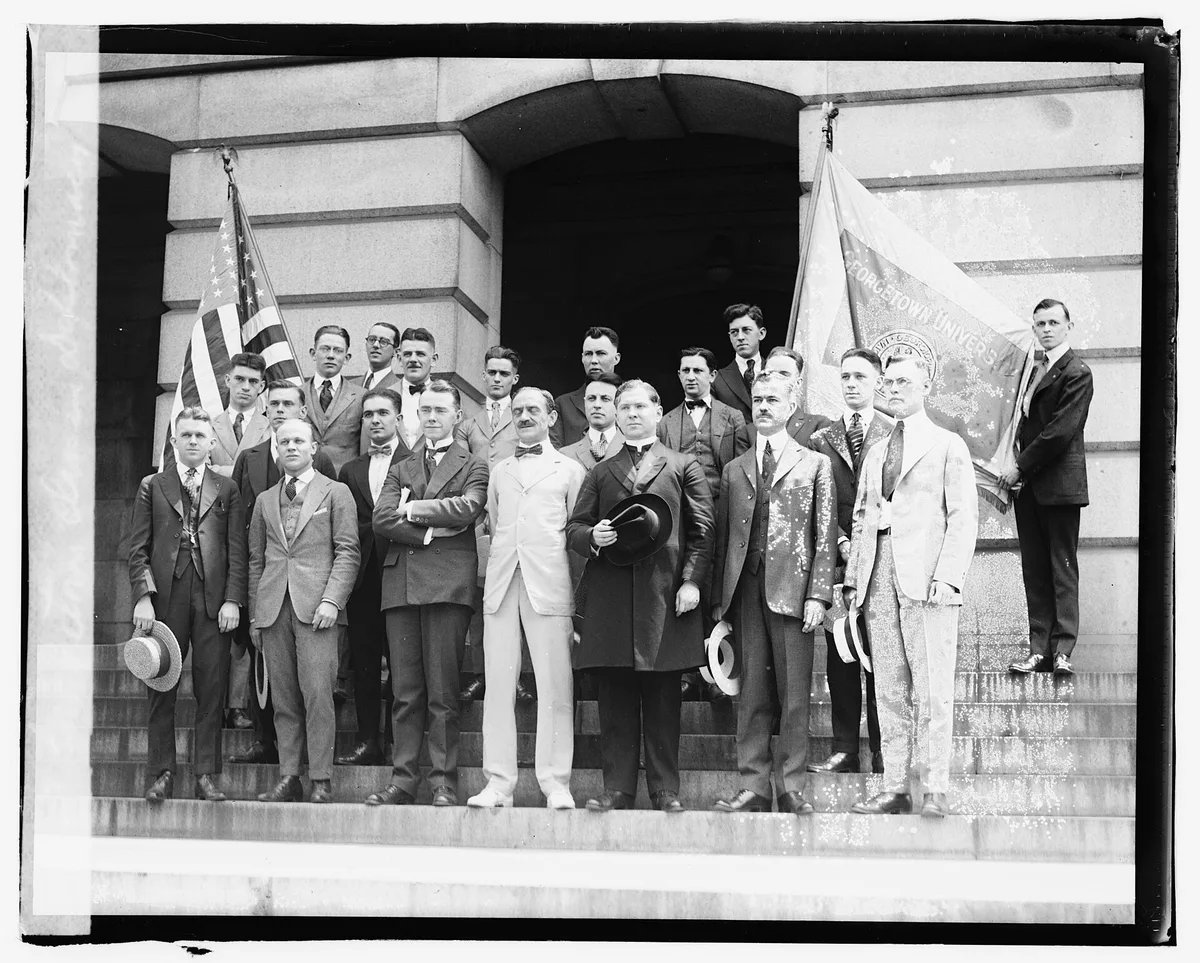
Microstates turn smallness into influence: coalition blocs at the United Nations, procedural niches, and quiet mediation, as the Cuban thaw of 2014 showed.
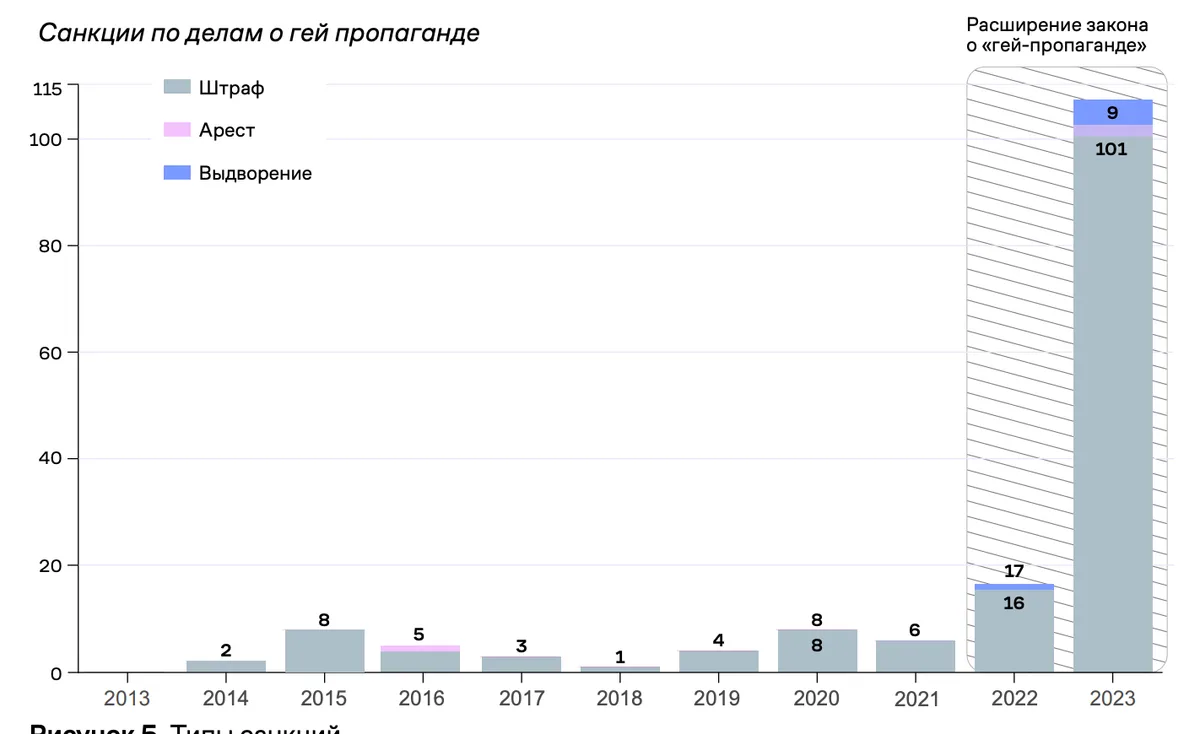
Sanctions are policy carried by lists and bank ledgers rather than soldiers. The Security Council has built 31 regimes since 1966, and OFAC ran 37 programs by 2021.
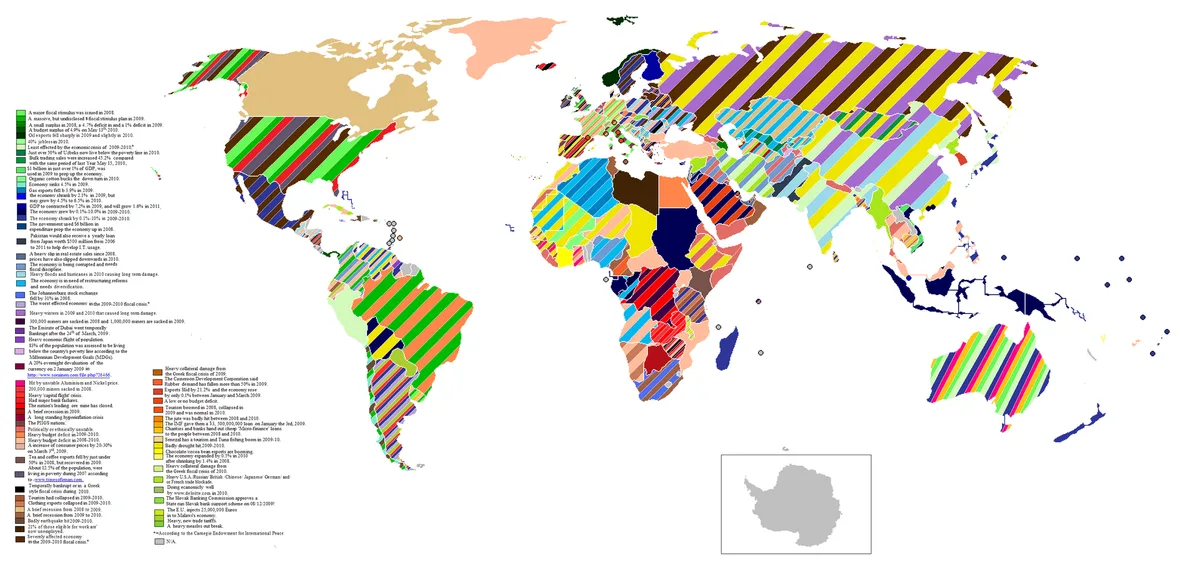
Exchange rates are prices, set by supply and demand with help from interest differentials and trade flows, plus occasional central bank intervention. The BIS counted $7.5 trillion of daily trading in April 2022.