
Topic
Sports Diplomacy: When Matches Mended Relations
Matches have opened doors that formal talks left shut: the 1971 ping pong exchange in China and the unified Korean hockey team at PyeongChang 2018 both eased frozen relations.
Matches have opened doors that formal talks left shut: the 1971 ping pong exchange in China and the unified Korean hockey team at PyeongChang 2018 both eased frozen relations.

Foreign correspondents check every claim against records and witnesses before filing. UNESCO counts more than 1,800 journalists killed since 1993, and the ACOS Alliance asks editors to guard freelancers as carefully as staffers.

A farm-to-shelf walk through the margins, middlemen, and shocks that set the number on the sticker.
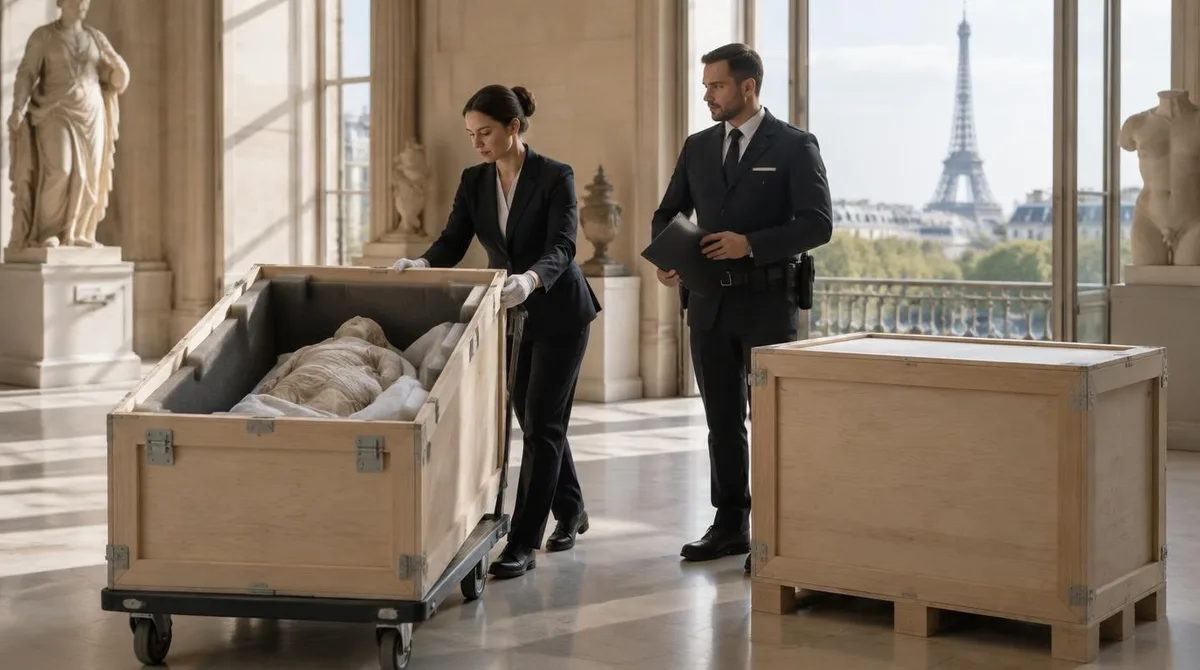
Touring orchestras, franchised museums, and language programs let states build influence without treaties. Fulbright, Louvre Abu Dhabi, and millions of language learners show how cultural diplomacy works, and where its proof runs out.

Every newsroom selects different facts and raises their volume. Framing theory, audience economics, and political room decide the selection long before an editor types a word.

A poll is an estimate with a stated range. Checking the margin before the topline, and doubling it before trusting a lead, keeps survey numbers honest.
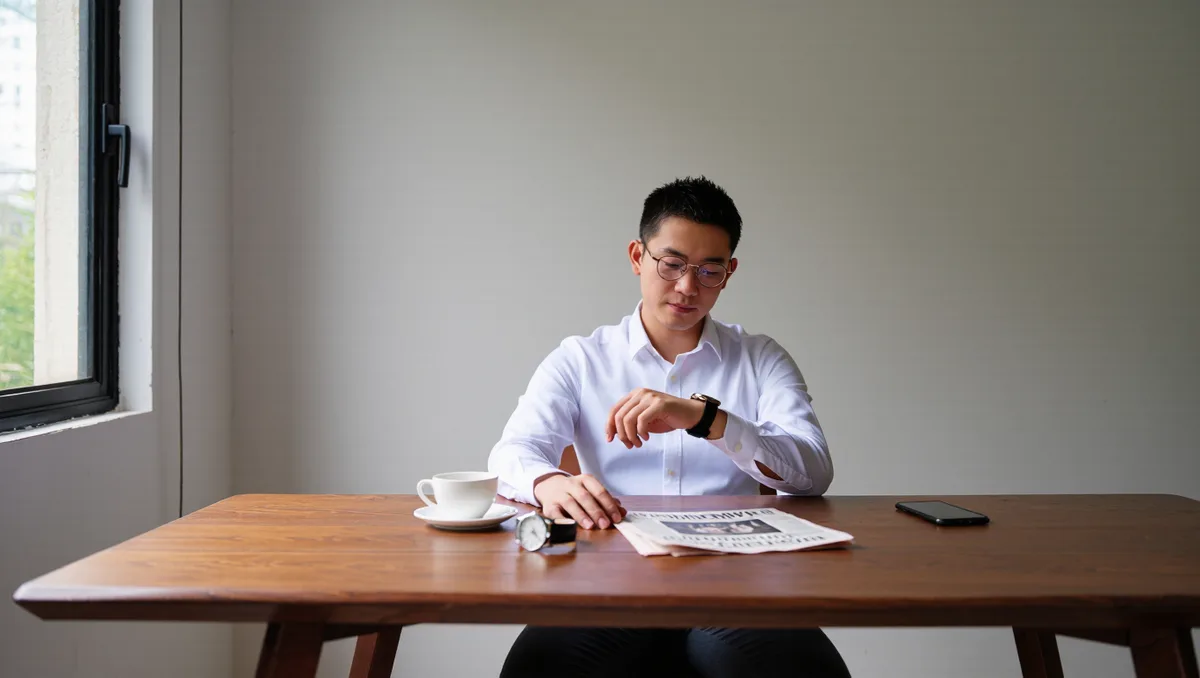
Fixed slots, short source lists and firm endpoints make world news easier to follow. Research on news avoidance and media overload shows why design matters.
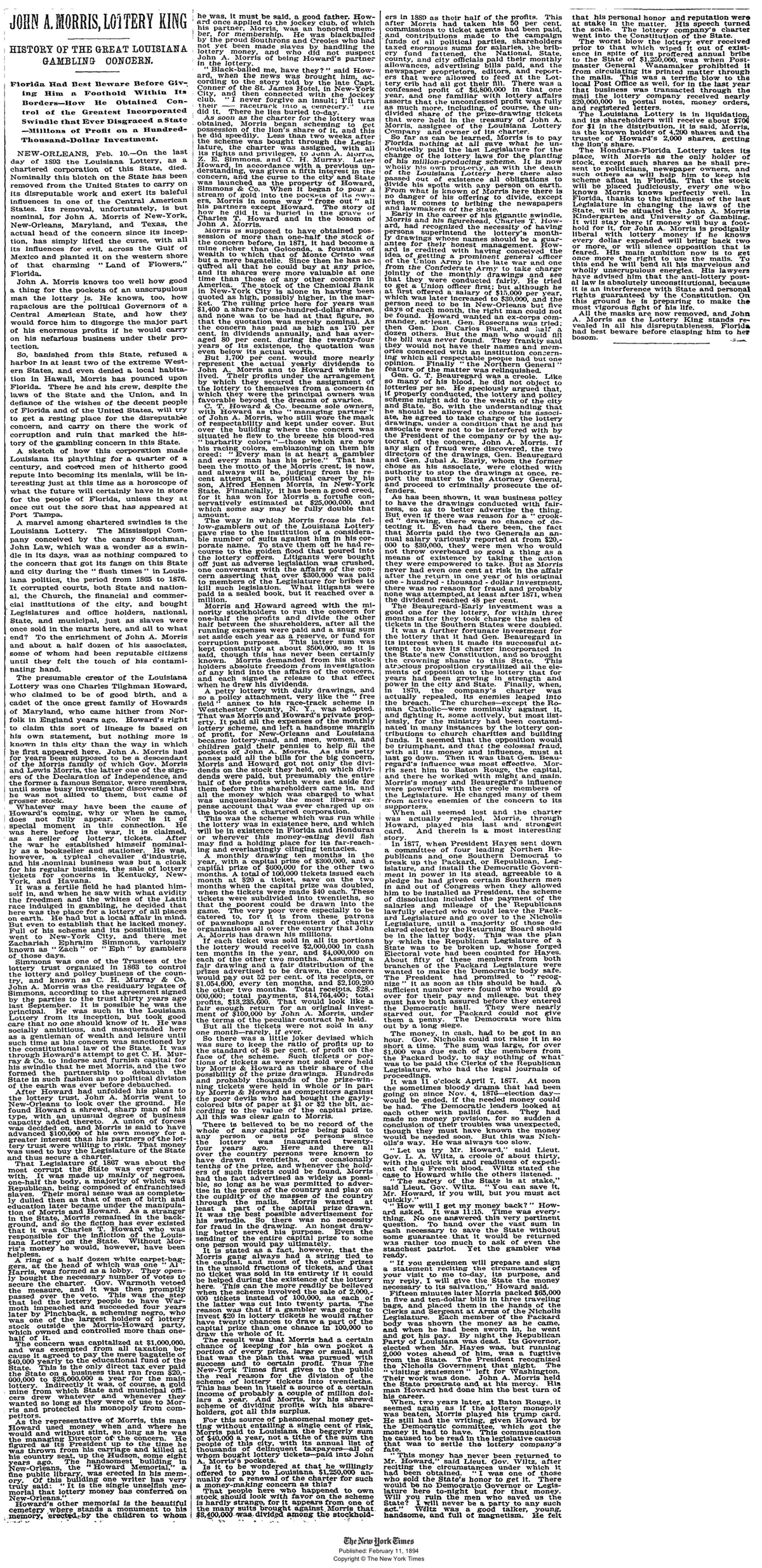
News value, timing and shelf appeal collide in a room where everyone has an opinion and one person signs the cheque.